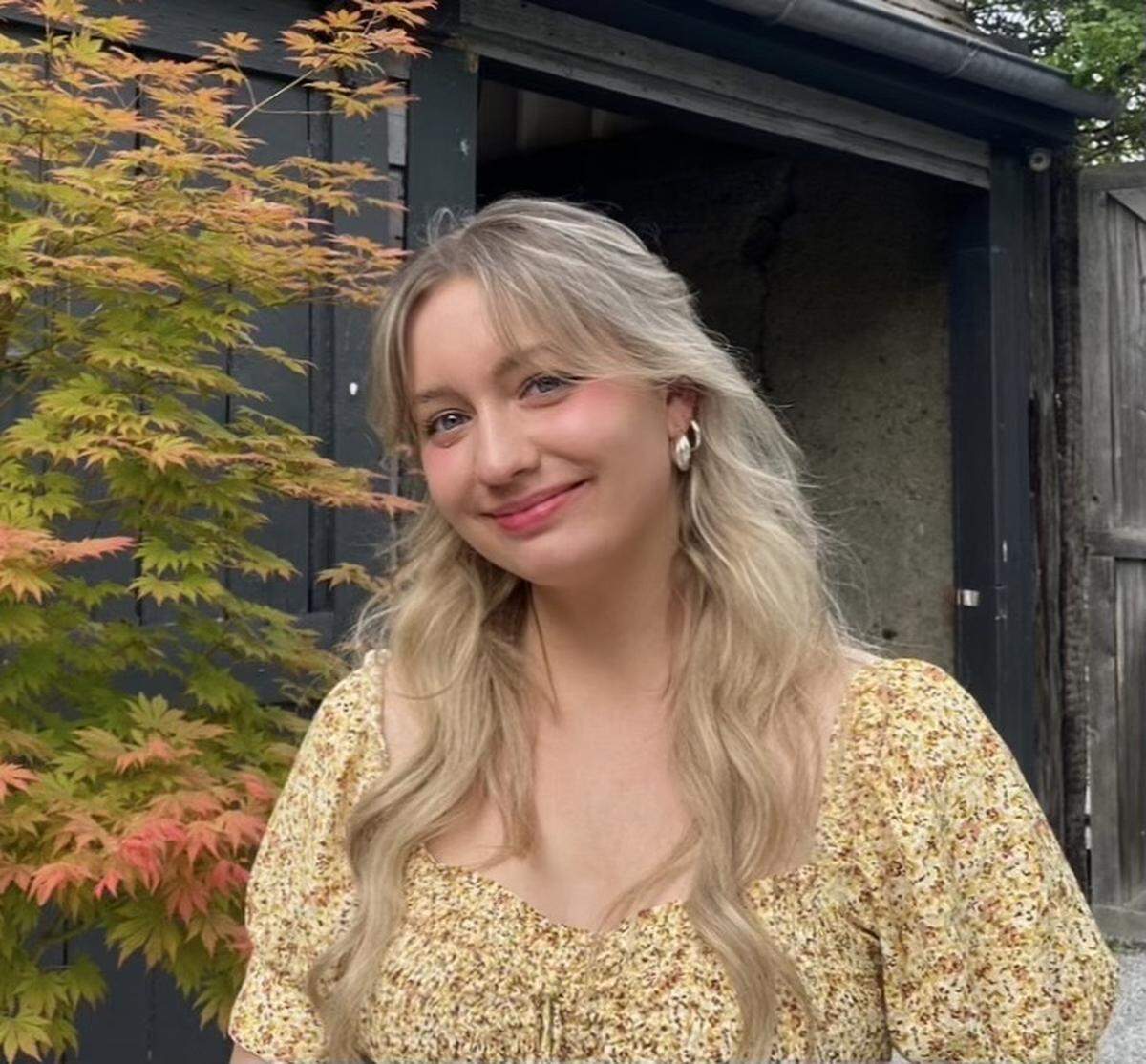
The Mindset That Made Her Golden: Alysa Liu’s Most Inspiring Quotes
A 20-year-old figure skater just became the first American woman to win Olympic singles gold in more than two decades. The score — 226.79 total — beat the entire field. But the way Alysa Liu talks about competition, pressure and identity is what makes this story stick.
Liu posted 150.20 in the women’s individual skate, a mark silver medalist Kaori Sakamoto and bronze medalist Ami Nakai, both of Japan, couldn’t match. After nailing her performance, she skated off the ice, looked into the camera and said, “That’s what I’m f***ing talking about!”
That moment captured something specific about Liu: she doesn’t perform despite the pressure. She performs because the pressure is exactly where she wants to be.
She Retired at 16, Came Back at 19, and Set Her Own Terms
Liu competed at the Beijing Winter Olympics, then announced her retirement from skating in 2022 at age 16. When she returned to the sport in 2024, the terms were hers.
“No one tells me what I’m gonna wear. No one tells me how my hair is gonna be. No one’s gonna try to change me,” she told Cosmopolitan in January 2026.
That wasn’t empty bravado. Liu’s coaches warned her that some judges and “higher-ups” might “be concerned” with her look. Her response:
“I said if they tell me to dye my hair back, I will quit. If they don’t like it and they want to give me less scores or treat me differently, that’s on them. If I change my hair, it’s gonna be because I wanted to,” she said.
She became the first American woman since Sasha Cohen at the 2006 Turin Games to medal in singles figure skating. Sarah Hughes was the last gold medal winner for the U.S. in 2002 — a 24-year gap between American women standing atop that podium.
What She Said About the Gold Medal Itself
After winning, Liu cupped the medal dangling around her neck and said something that ran counter to every triumphant post-competition interview:
“I don’t need this. But what I needed was a stage, and I got that. So I was all good, no matter what. If I fell on every jump, I would still be wearing this dress, so it’s all good.”
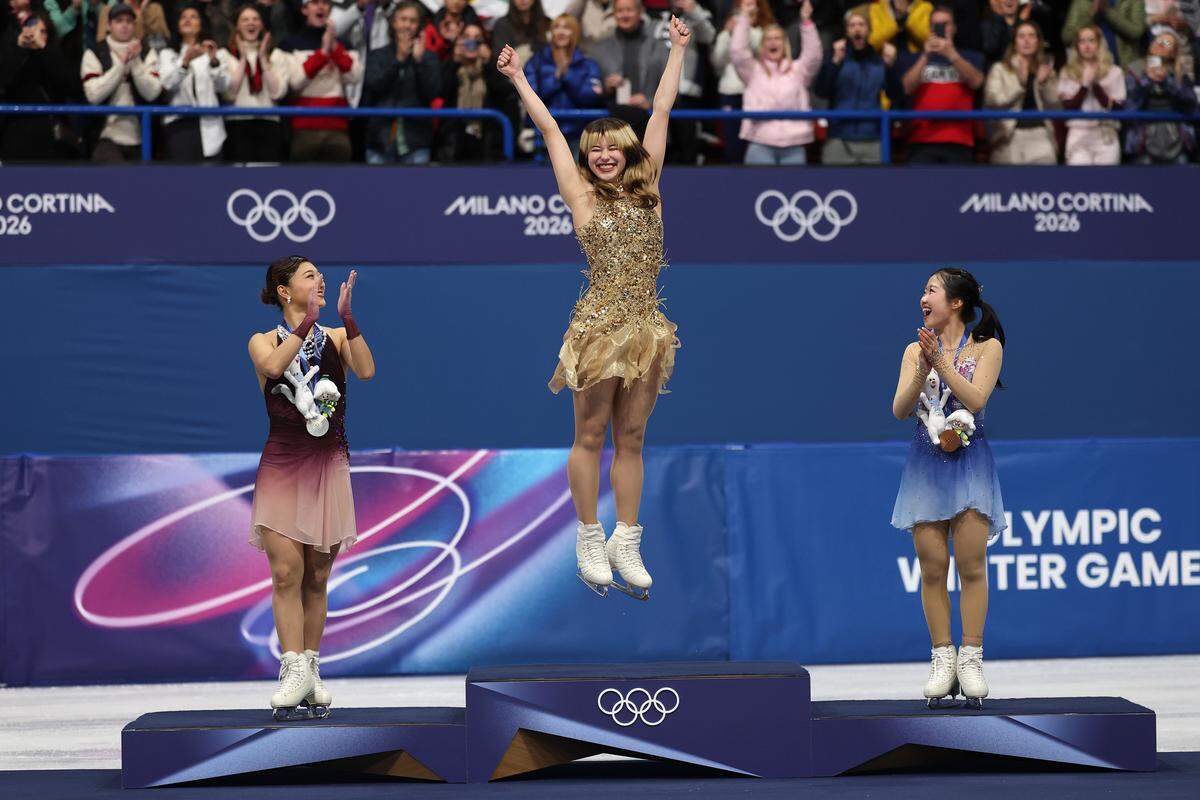
A competitor at the highest level of her sport, moments after achieving the thing she’d trained for her entire life, saying the outcome was never really the point. The stage was the point. The expression was the point.
That distinction matters if you think about how to approach your own high-stakes moments, whether those happen in a rink, a boardroom, or anywhere else where performance anxiety shows up.
‘I Love Struggling’
When an interviewer asked Liu whether she feels stressed at the Olympics, she didn’t hedge. “Oh hell no. … Competitions are where I’m least stressed because people get to see what I do. That’s why I do it. So I can share my work,” per NBC.
According to a 60 Minutes feature in early 2026, Liu shared a sentiment that gets at something deeper: “I love struggling, actually. It makes me feel alive.”
Struggle as fuel rather than obstacle. Competition as a chance to share work rather than a test to survive.
Why She Came Back Tells You What Actually Drives Her
Liu didn’t return to skating because she missed the podium. She came back because nothing else matched the challenge.
Per Cosmopolitan: “I went through a whole year of school, and during winter break, I went skiing and I realized school was hard, but it was not challenging enough for me. I got into other things, like fashion, but I never went to the gym. Skating gave me something to be strong for. I love having willpower. I used to never care about programs, what you skated to, your dresses, stuff like that. Now, I love skating dresses and helping with the design process. This sport is kind of an outlet for me. I love dance and music, so it’s everything in one.”
Her relationship with the sport changed during the time away. She stopped seeing skating as something she had to do and started seeing it as a creative outlet that brought together the things she cared about: dance, music, design, physical challenge. The return wasn’t a comeback story in the conventional sense. It was a pivot toward a version of the sport that fit who she had become.
Her Framework for Failure
“What I like to share about myself is my story, my art and my creative process,” she told NBC News. “I guess messing up doesn’t take away from that. It’s still something, it’s still a story. A bad story is still a story, and I think that’s beautiful. There’s no way to lose.”
“There’s no way to lose” — that’s a framework, not naive optimism. If the goal is expression rather than perfection, then every attempt adds to the body of work. The stumbles become part of the narrative rather than disqualifying moments.
The Message She Wants People to Hear
“(Do) stuff that people tell you you shouldn’t do,” Liu said, per The Athletic. “I’ve been doing a lot of that. You also have to find a good team. I’m so grateful to find such great support around me. My friends really hold me down. So that, no matter what happens in my life, I think I have a beautiful life story, and I feel really lucky.”
Two things stand out. Liu doesn’t frame rebellion as reckless — she frames it as a conscious choice. And the autonomy she insists on, over her hair, her costumes, her creative direction, doesn’t exist in isolation. It’s supported by a team she chose and trusts.
Production of this article included the use of AI. It was reviewed and edited by a team of content specialists.