
Observer arts critic says goodbye, offers a final opinion at end of four-decade career
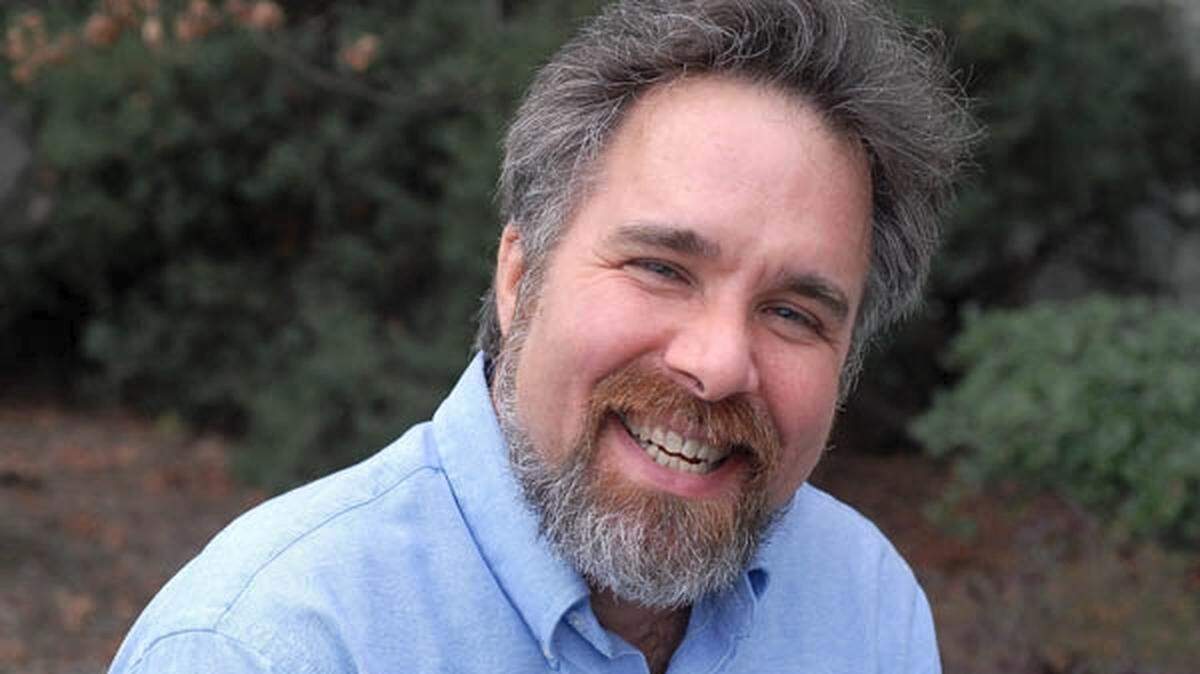
It’s time for me to go.
The COVID-19 pandemic has shut down all local performances for the foreseeable future. I’d planned to retire at the end of the current arts season, but that seems to be... now. So for the first time in 46 years as a professional journalist, 40 of them in Charlotte, I wake up with no reporting ahead of me.
Resting in place prompts reflection, and old guys don’t need much prompting. I’ve been thinking lately about the decades between 25 and 65, which whisk past in a blur. (Skip the next five paragraphs, if nostalgia makes you queasy.)
In March 1980, I drove from Atlantic City, N.J., (where I’d been a sports writer for three years) to Charlotte in a blizzard that dumped 6 inches of snow. I arrived at night, and uptown — still called downtown then, before civic leaders decided that word made timid citizens stay away — looked like a scene from a post-apocalyptic movie. After 6 p.m., you could stand at Trade and Tryon streets for five minutes without seeing a car or more than three people on foot.
No movie theater, performance venue or museum sat near the feeble heart of the city. Spirit Square opened a month later, making boosters proclaim Charlotte would soon be a metropolis with a vibrant core. A mere 15 years later, that prediction began to come true. By 2000, we finally began to have worthwhile events and exhibits nearly year-round.
By 2010, I felt like Moses viewing Canaan after decades in the wilderness. Unlike Moses, I got to inhabit this semi-promised land and write about every aspect of its culture, from disco-themed musicals to Discovery Place.
A critic’s job
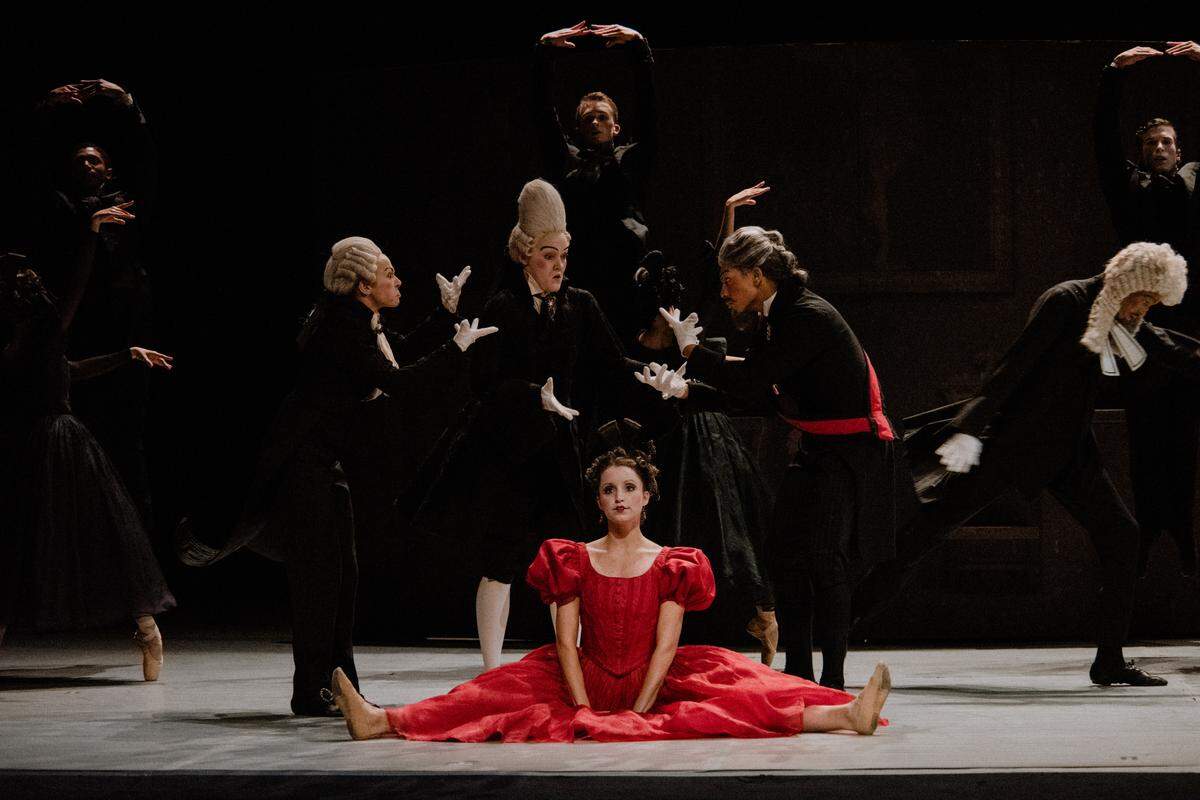
I’ve been thinking, too, about the progress groups have made across those years. When I came, I held my breath every time the Charlotte Symphony tackled a difficult passage; now I listen with confidence and, usually, joy. In 1980, Opera Carolina soloists had perhaps a 50-50 chance of hitting high notes securely; today, skilled singers fly in from around the world. We had no professional ballet company then; now we have one I’d pay to see if I weren’t a critic.
Like the city, I have improved over the years. I realized I didn’t know everything about all subjects, even the ones I would spend a lifetime studying. I became less cocky and more compassionate. I learned that a critic’s job is not to tell readers what to think or coerce them into agreement with him, but to describe an experience so honestly and clearly that they decide for themselves whether to share it.
Readers often wrote or called, and I listened to them. The ones who took me down a peg did me more good than those with kind words, because they made me reconsider prejudices and preconceptions. My favorite e-mail of all time began, “Dear Mr. Toppman: You are the mayor of Stupid City.” (Sadly, I never found out what perks came with that office.)

One last list
So as I head out the door, I’d like to share five cultural things that make me happy for Charlotte – and, in tandem, five things that make me sad.
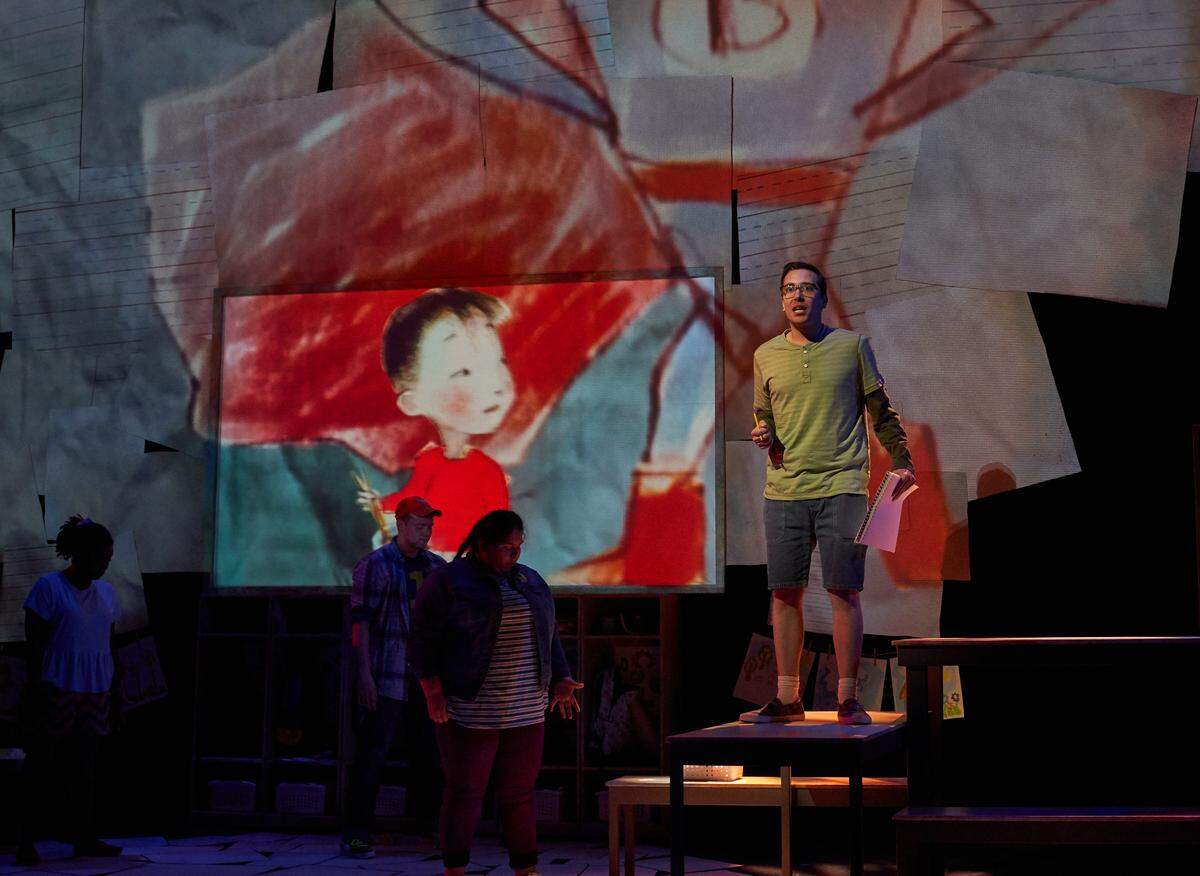
I’m grateful that professional theater for adults and children manages to keep alive. The death of Charlotte Repertory Theatre made room for Actor’s Theatre of Charlotte, and Children’s Theatre of Charlotte makes intelligent use of spaces at ImaginOn. But I’m sad to see that city-county government, the Arts & Science Council and wealthy donors still haven’t formed a consortium to provide a purpose-built theater for Actor’s Theatre. The money’s around, but nobody has figured out how to corral it.
As noted, I’m happy to see the high level at which the symphony and opera perform. I’m sad to see that lazy, unadventurous audiences too seldom support those companies when they try to expand repertoire with challenging or unfamiliar works. Charlotte Ballet has had better luck coaxing ticket-buyers down untrodden paths, and it’s fortunate to be in Knight Theater most of the time: The Knight is half the size of Belk Theater, so an audience of 850 provides a respectable house.
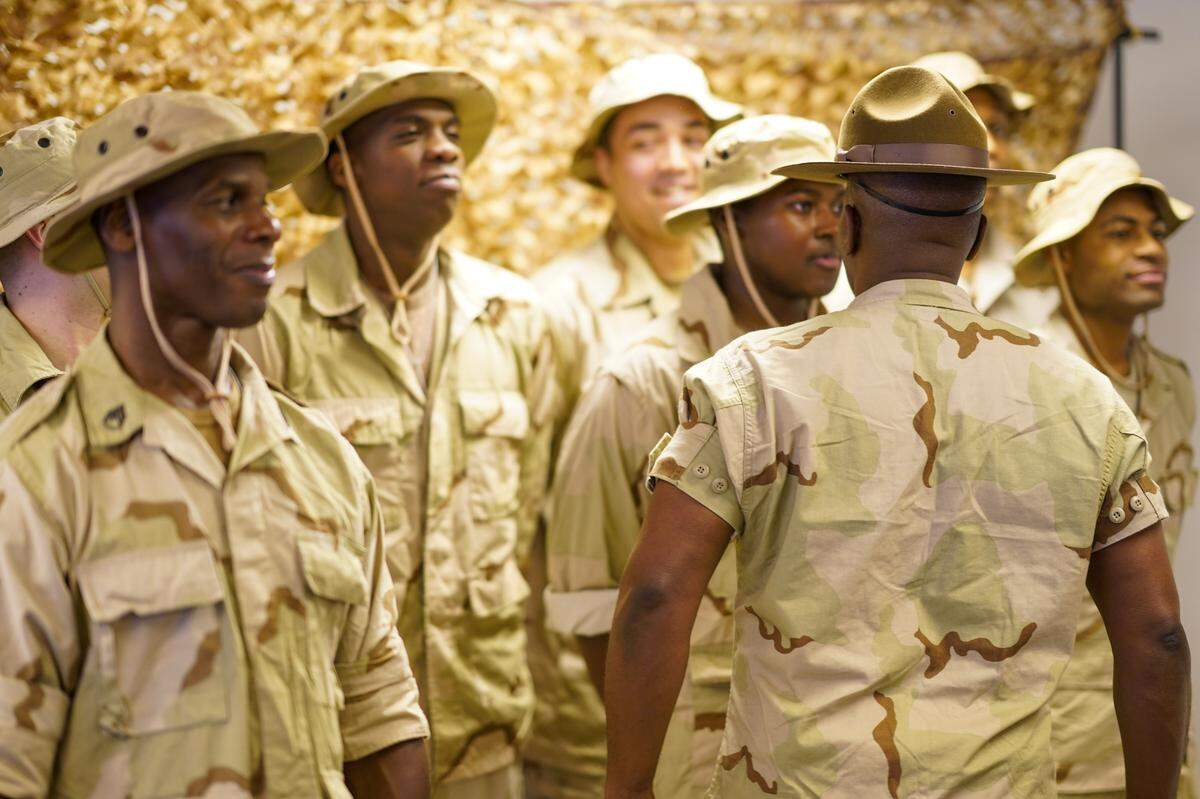
I’m happy that the range of people onstage looks more and more like the one I see when I drive around our city. Color-blind casting and a conscious attempt to broaden our understanding of what actors and dancers can do has paid off. Sadly, most audiences at big events still look like me: old white people. Only jazz consistently provides an exception. I regularly attend Jazz Arts Charlotte concerts at Stage Door Theater and other jazz shows, and those draw a diverse audience.
This may be because young people and people of color feel that art on view doesn’t speak to them, because outreach and educational policies fall short from elementary school on up, because of perceptions that fine art must be elitist or costs too much for an average person. (The latter simply isn’t true: You can see virtually anything in town for $25 or less, the cost of two 12-packs of beer.)
I’m happy the Manor Theatre doggedly continues to provide alternative movie programming, abetted by the ever-expanding Charlotte Film Society and newly important Charlotte Film Festival. Yet it’s sad that a county of a million people — which should have two or three Manor-type venues — is otherwise glutted with mass releases in cookie-cutter multiplexes. The change at Park Terrace from indie to mainstream fare and the disappearance of Ballantyne Village Cinemas make us significantly poorer cinematically.
Lastly, I’m thrilled that Charlotte’s cultural fringe hasn’t disappeared. I’ve watched at least 20 small music, dance and theater companies blossom and wither in my time here, but some manage to hang tough and perform regularly: Brand New Sheriff Productions, Carolina Pro Musica, Caroline Calouche & Co., Three Bone Theatre and a handful of other brave souls.
I’m sad, of course, to think the pandemic may cripple some of them. Yet from long before 1980 up through this winter, such groups have struggled on a shoestring to give us art that makes us emotionally and intellectually richer. If Charlotte wants to think of itself as a national-class city — not “world-class,” which any sensible person knows to be absurd — it must nurture not only “The Nutcracker” and “Hamilton” but corners of culture that make us unique.
I’ll do my part. I’ve been talking to The Observer about coming back as a critic at large in the fall. But whether I attend performances with a pen and notebook in hand or simply as a fan, I plan to spend a good chunk of my Social Security check on culture high and low, mainstream and avant-garde.
These groups die without help from corporations, government and wealthy patrons, because ticket revenues never supply more than half their income (usually far less). But even when they balance the books, they die artistically if a caring, knowledgeable, open-minded audience doesn’t show up. I expect to occupy a seat until the day I can no longer get out of the house. I hope you’ll join me.
This story is part of an Observer underwriting project with the Thrive Campaign for the Arts, supporting arts journalism in Charlotte.
More arts coverage
Want to get more arts stories like this delivered to your inbox? Sign up for the free “Inside Charlotte Arts” newsletter at charlotteobserver.com/newsletters
You can also join our Facebook group, “Inside Charlotte Arts,” at https://www.facebook.com/groups/insidecharlottearts/
This story was originally published April 28, 2020 at 9:35 AM.