
Resurrecting a church: How one Charlotte pastor may have found the future of worship
In its heyday in the 1950s, Caldwell Presbyterian in Charlotte was a neighborhood church with a congregation of about 1,200 people — including the Belk family of department store fame.
But by 2006, Caldwell was down to 12 members, all of them in their twilight years, and the church was scheduled to close.
Then a different-looking group that once worshiped together at Seigle Avenue Presbyterian — which Caldwell had helped start decades earlier — joined with the aged Caldwell remnant to resurrect the church on Fifth Street in Elizabeth.
Soon, Caldwell started filling up with people and with a vibrant Gospel choir.
Today, the church has a “community of faith” of about 350. But what makes it unique in Charlotte is its great diversity — in membership and worship style. The multi-racial flock, which is also about 20% LGBTQ, drives to Caldwell every Sunday from 26 ZIP codes in four counties and two states.
It’s still Presbyterian, but only about half its members grew up in that denomination. They’re joined by ex-Methodists, ex-Baptists, ex-Catholics and ex-non-churchgoers.
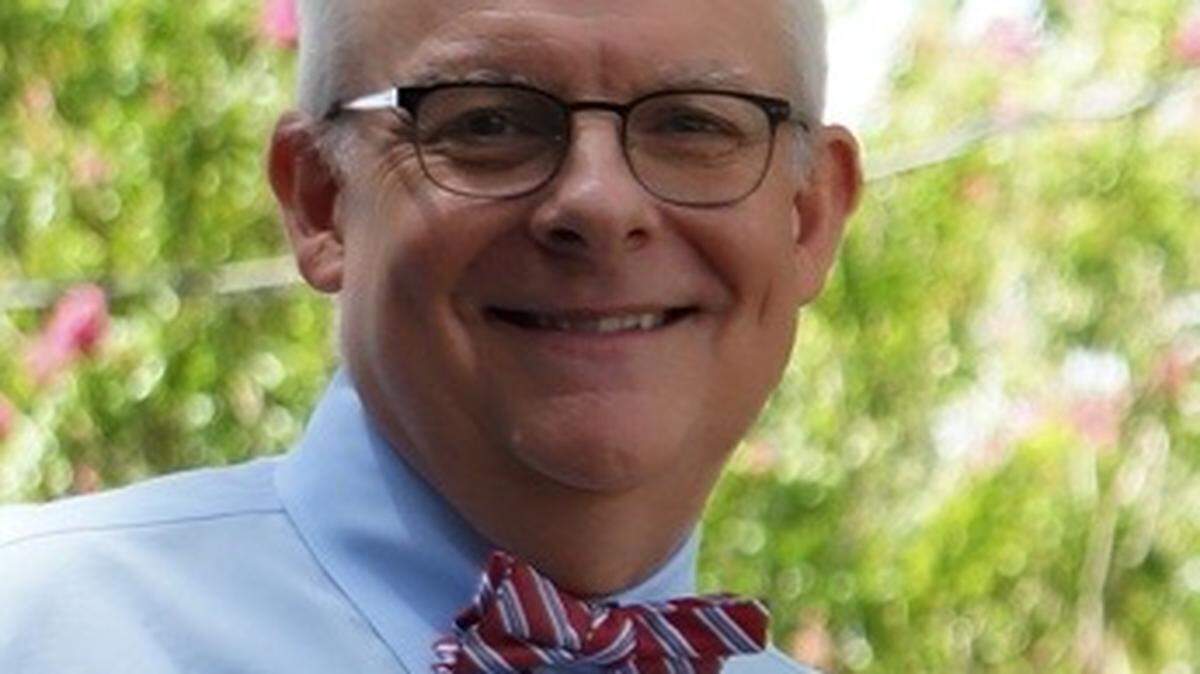
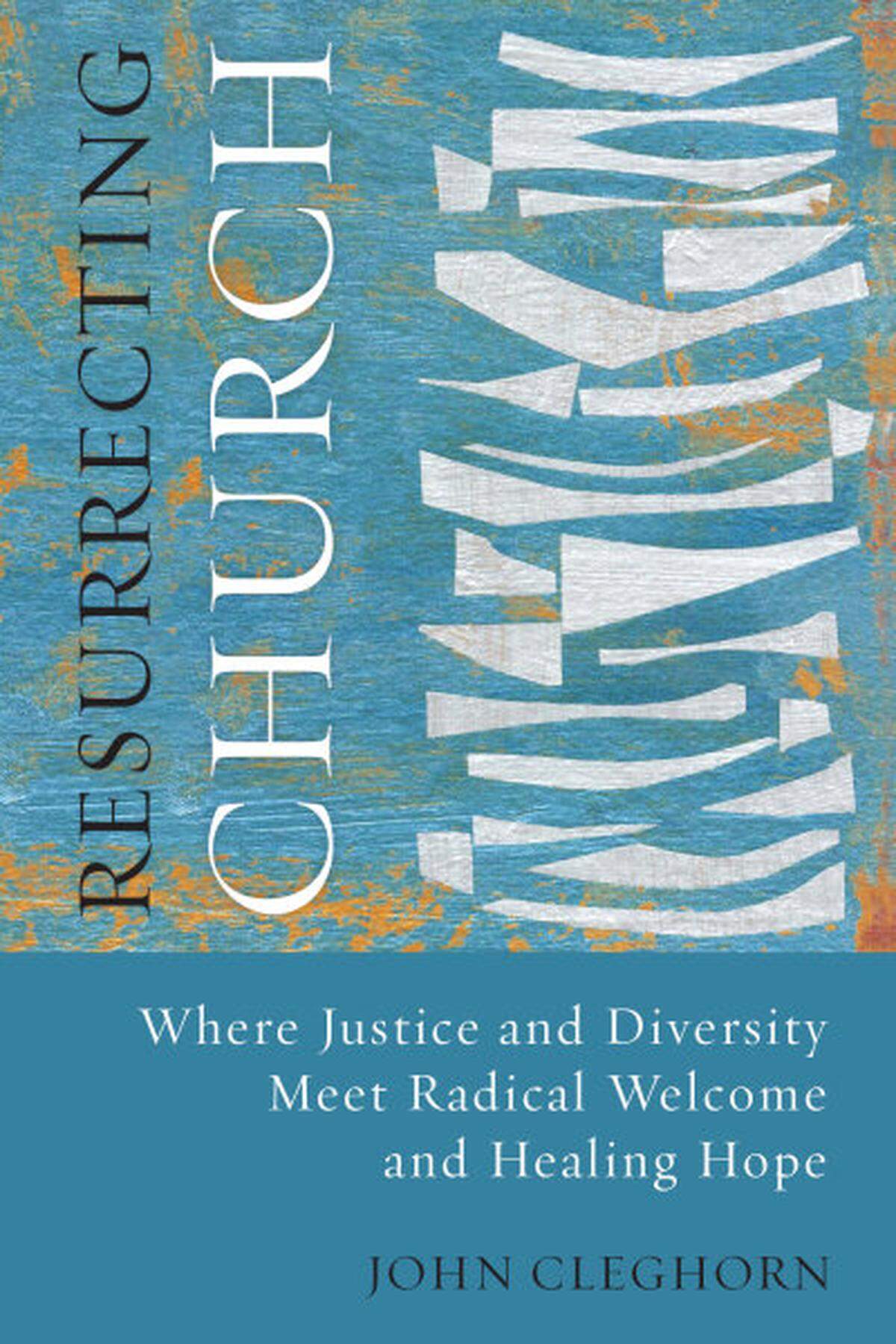
The Rev. John Cleghorn, 59, has written a new book about the church he has pastored for 13 years. It’s called “Resurrecting Church: Where Justice and Diversity Meet Radical Welcome and Healing Hope.”
Cleghorn recently spoke with the Observer. The interview has been edited for space and clarity.
Q. Why did you write this book?
A. To share what God has done with Caldwell and with me. It’s a story that includes all kinds of encouragements for churches that are looking for new ways to not give up, to take risks, to try new things, to relax.
(It’s an invitation) to be kind and gentle with each other. And to be inclusive. And to go to the margins. That may be where the future of the church is.
Q. You went in search of churches, like Caldwell’s, whose congregations are made up of at least 20% people of color and at least 20% LGBTQ. Of 9,900 Presbyterian churches, you found 10. And, like Caldwell, almost all of them came close to dying before they were reborn as more inclusive churches.
A. As with Jesus, having a brush with death can be very liberating. And these churches learned to take risks. They have fewer people who are invested in the status quo. There are fewer people who are going to say those seven deadly words for church: ‘But we’ve never done it that way.’ So they learned a kind of entrepreneurial approach to being church.
These churches find energy and identity and purpose in challenging the status quo and standing up for the person on the margin, the voiceless. They have learned, in particular, that using justice as the center pole for their tent has been very durable and, most of all, very true to their understanding of what God would have them do.
Q. In the book, you write that Caldwell and these other churches consider themselves “spiritual hospitals for wounded souls.” How does that thinking affect how you do church?
A. It has informed a lot about how we receive people. Very gently. It has informed how we look at membership. Maybe more loosely. Sometimes people who’ve been hurt by church (in the past) just want to to sit in the back pew and not be bothered. And not be invited out to coffee and then put on a committee.
It holds leadership accountable in a different way: To be constantly aware that people do bring wounds and that we need to create a space that is safe, a space that is inclusive. And an inclusive language that is a bit of a mind-bender for old ‘frozen chosen’ Presbyterians. My year of calling God by the female pronouns was a stretch for some of us — but glorious!
Q. Your Presbyterian Church (USA) denomination is 90% white. But Caldwell is much more diverse — by race, class, sexual orientation. How do you keep it that way?
A. It’s very hard. You really have to be willing to let go of everything. And you have to study other worship traditions. You have to listen to the people who come and ask them what kinds of worship makes them comfortable. You have to bring people from the margins and put them at the center.
Our blended worship includes a mix of styles and traditions. That means there will always be an aspect of worship that makes one person uncomfortable but another person embraces and appreciates. But it’s not going to be homogeneous and predictable and routine status quo worship. It’s really kind of amazing — if we open our minds and hearts to it — how we can learn new worship styles, new styles of music and prayer. The Holy Spirit kind of runs amok in all of that.
Q. Talk about your worship music. It’s not the kind of contemporary Christian praise music you hear in so many megachurches these days.
A. It’s a lot of Black Gospel music, so it’s music that’s prophetic. It’s about liberation. It echoes songs from slavery. It’s music of hope and it’s upbeat and it’s joyful, but it has depth. It’s music that has survived a long time because it has all of those basic dimensions. And it speaks afresh every Sunday. We sing a lot of the same songs over and over again, but it seems like each Sunday they say something new to us.
Q. You’re white, straight, used to work for a big bank and spent years as an elder at a traditional and affluent Presbyterian church. Not an obvious candidate, in other words, to pastor such a diverse, radically welcoming church.
A. It’s been a learning opportunity. And it’s been stretching — and utterly unexpected. So there’s a great mystery to it for me in that I don’t understand how I got to have this experience. That keeps me in the job every day, loving it, working hard at it. And the book is kind of written to the person John Cleghorn was very much on his way to being — that is, an elder at a nice middle-of-the-road church. It’s saying to that John Cleghorn: ‘This is what it can be like. And this is what your church might experiment with.’
We need to get in the laboratory to try new things because the long-term projections for traditional church and organized religion are pretty clear: If you project the Presbyterian Church (USA) to decline at its current rate, by the time I turn 75, I’ll be turning out the lights for the denomination. We were a 4-million-member denomination in 1960. Now we’re at 1.3 million.
Q. When you became pastor, the church was Caldwell Memorial Presbyterian. Now you’re Caldwell Presbyterian. Talk about your evolving name.
A. The church turned 100 years old in 2012, but most of us were new. There was little institutional memory. An elder researched who the Caldwells were. Their money came from their slave-owning plantation. The church (back then) changed its name (from John Knox Presbyterian) and used the money to build the sanctuary in which we worship. So the very space in which we worship was built at the cost of the blood, sweat, tears, life and death of enslaved people.
We are reckoning with that. We don’t know where it’s taking us. But we would not be true to our God, we would not be true to what we’re trying to be if we didn’t confront that.
Q. Finally, you title your book “Resurrecting Church.” On this Easter Sunday, what message does Caldwell have for other churches?
A. The title reflects the gospel truth that we worship a God who is always resurrecting the church. In response, we are called to try to be Easter people every day of the year. You never know when a good resurrection is about to happen.
Want to watch?
To tune into Caldwell’s 11 a.m. Sunday services, go to caldwellpresby.org and click on “Watch Live.” During the pandemic, Caldwell’s services are virtual.
More arts coverage
Want to see more stories like this? You can join our Facebook group, “Inside Charlotte Arts,” at https://www.facebook.com/groups/insidecharlottearts/
Tim Funk is the Observer’s former faith & values reporter. Email him at tim_funk@me.com