
Former child prodigy gets to ‘stretch his boundaries’ with the Charlotte Symphony
Alan Black, principal cellist with the Charlotte Symphony Orchestra, has known musician Drew Dansby a long time.
“I’d taught Drew from the age of 7,” Black said. “I’ve watched him grow up over the years into a gifted cellist.”
So when an opening arose for the orchestra to make a one-year appointment in the cellist section, Black’s thoughts turned to Dansby, now 21.
“In the process of thinking who we could hire,” Black said, “it became clear to me that this would be a great opportunity to give Drew the chance to see what it’s like to play in a professional orchestra.”
Dansby, a Charlotte native, accepted Black’s offer to be a full member of the symphony as an acting section cellist for one season. He’s taken a year off from pursuing degrees in biochemistry and cello performance at Oberlin College in Ohio.
Black felt comfortable recommending Dansby because of their long history as teacher and student, but Black also wanted to give him the chance he never had as a young musician.
“My teachers were never in a position to give me an opportunity to help me learn the ropes of being a professional musician,” Black said. “I’m so excited that it’s giving him the opportunity to stretch his boundaries. I think it’s finally got him hooked into the idea that he can make a career doing this.”
The symphony had postponed auditions for seven openings due to COVID-19 protocols, and staff and space scheduling. For the 2021-22 season, acting section positions were offered to musicians without an audition. Auditions for next season are being held now through the spring.
‘Culture shock’ at the orchestra
If Black wanted Dansby to receive an education outside the classroom, he succeeded.
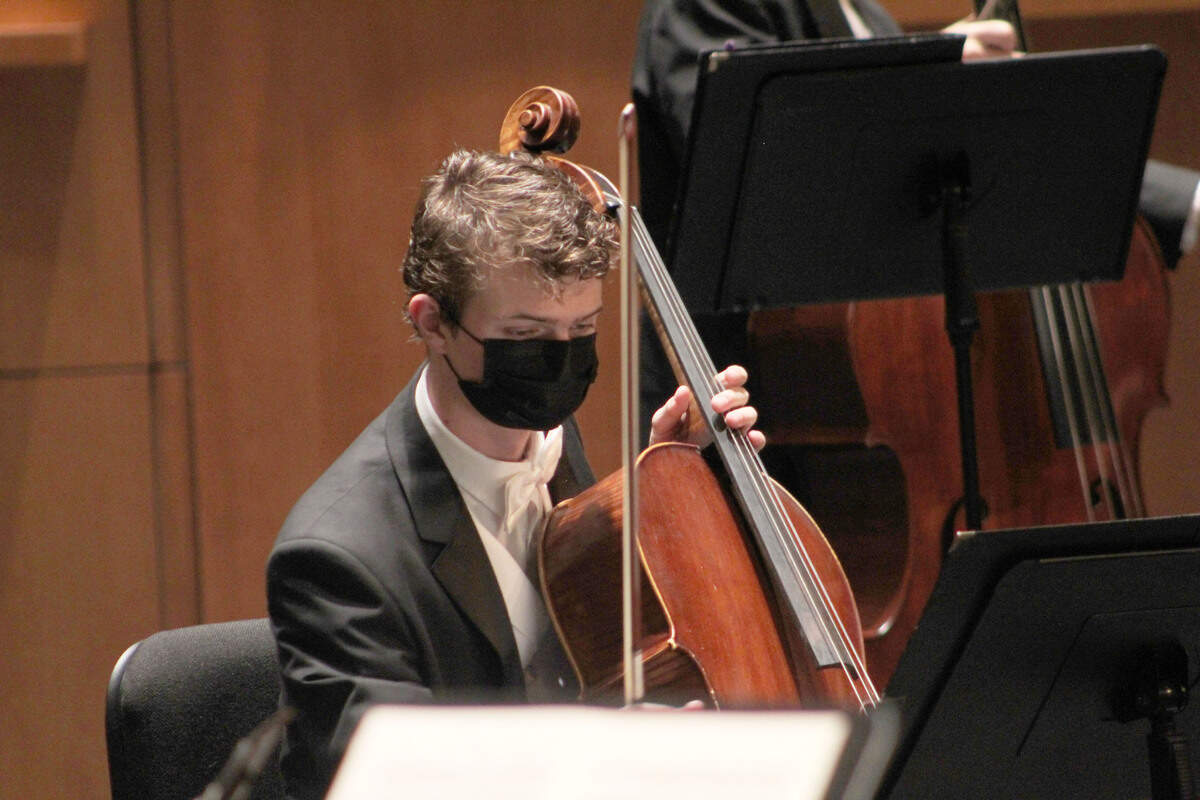
Since October, when the season began, Dansby has been surprised at how a symphony operates. It’s fast-paced, Dansby said, with a quick turnaround for performances within the symphony’s four series: classical, family, movie and pops.
The orchestra rehearses one or two times before most performances, and four to five for the classical concerts. Dansby and his fellow musicians need to be ready for a new concert every couple of weeks to keep up with the schedule. Or in the case of Charlotte Ballet’s “Nutcracker,” 18 performances over several weeks in December.
“The fact that there are so few rehearsals and you really have to be on your feet, prepared and ready for anything,” Dansby said, “is probably the biggest culture shock joining a professional orchestra. At school and in youth orchestra, you’d rehearse three times a week for two months and have a concert. One concert.”
Music from a very young age
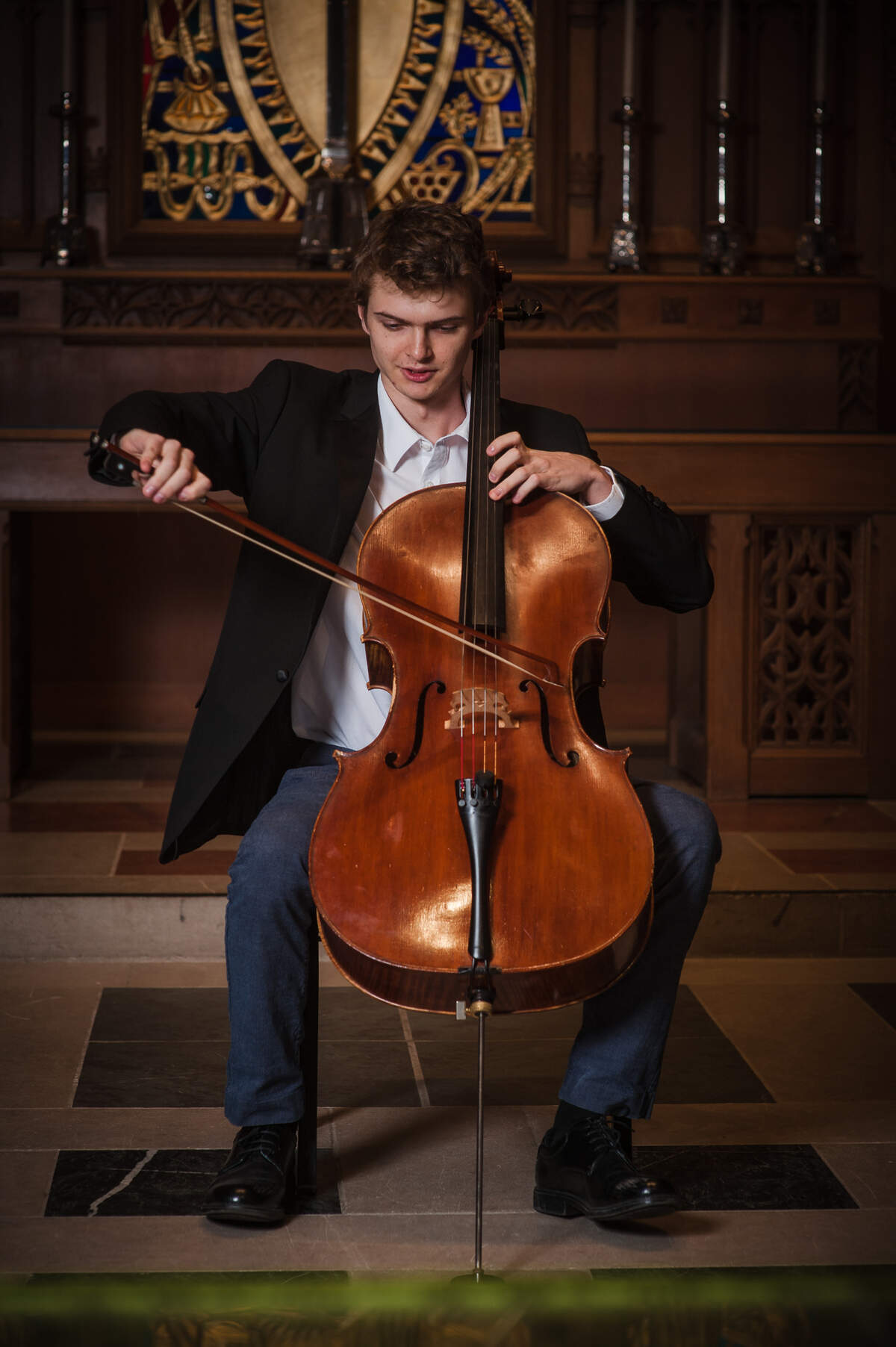
The Observer featured Dansby in a 2018 story about his musical prowess and how his parents helped shape and handle his talent growing up. Drew showed interest in music since age 2 and was playing a violin at age 4, followed soon after by the cello. He played them both well. Very well. In fact, Black took him on as a student when Dansby was 7.
“I really felt like he had been gifted from God,” Dansby’s mom, Donna, told the Observer at the time.
Also in 2018, Dansby had a history-making turn with the National Youth Orchestra. He auditioned on both violin and cello, and did so well that he was the first student ever to be given his choice of instrument with the group.
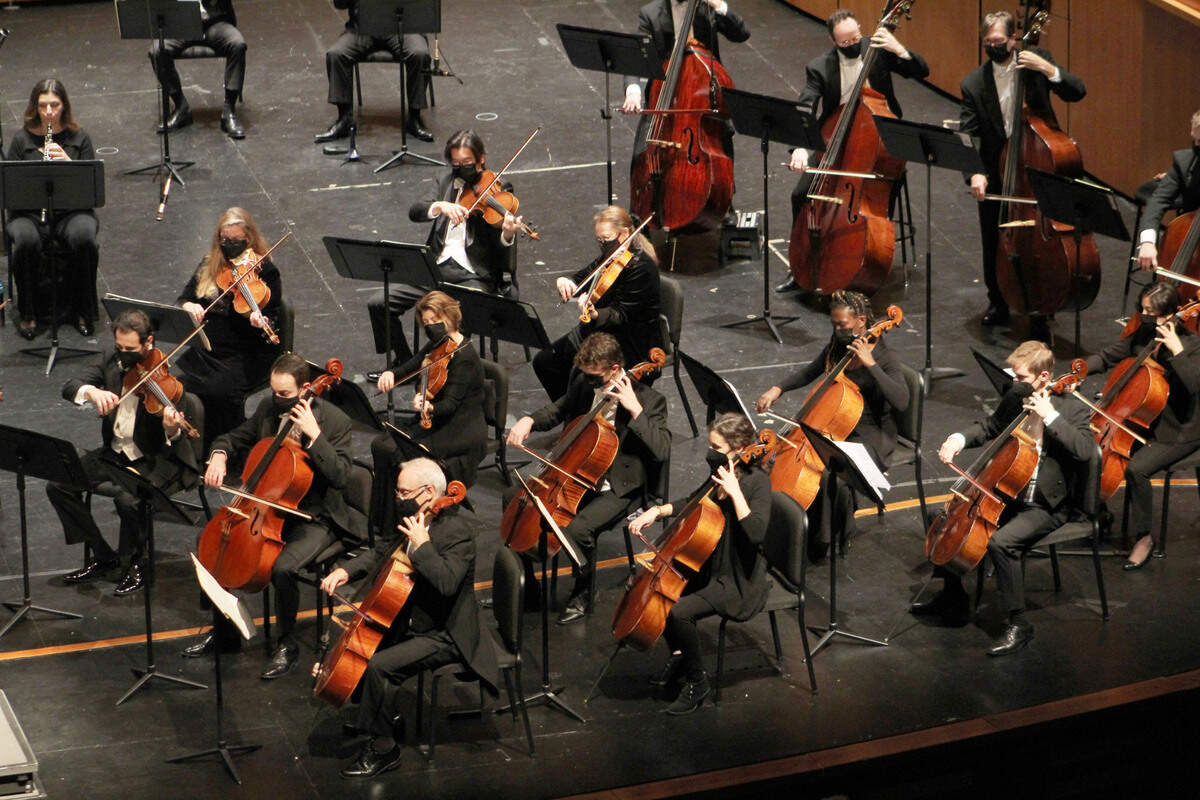
Now at 21, Dansby is the youngest of the seven cello players at the Charlotte Symphony, by five years.
He recognized some of the musicians from his days when he was in the Charlotte Symphony Youth Orchestra and other local groups where they served as teachers and coaches.
It’s taken Dansby time to acclimate to this new reality as a professional musician. He sometimes doubts his qualifications.
“It still feels very strange to call people by their first names,” Dansby said. “A lot of these people taught me, coached me in youth orchestra. Some of them I haven’t seen since I was a little kid.
“I have a little bit of imposter syndrome because of that. I don’t know if I am supposed to be there because I don’t have enough experience.”
He’s realized the knowledge the other members of the orchestra possess can’t be acquired in any other way except through time and experience.
“Other people in the cello section have been incredibly supportive,” Dansby said. “They make me feel like I am supposed to be there and contributing to the section. That’s meant everything to me.”
Taking auditions
One way for Dansby to gain experience is to take auditions.
They’re high pressure and competitive, and it often takes several auditions before landing a position in an orchestra, Dansby said. He auditioned for the Charlotte symphony last November but didn’t make it to the finals. He wasn’t shocked.
“I think it would be tougher if I was thrown into it (auditions) after I graduated and I was immediately looking for a job,” Dansby said, “and I didn’t know what it was like to audition.”
Most orchestra auditions are blind: They occur behind a screen so the panel of judges cannot see the participants. This eliminates bias for gender and race, and recognition of someone a judge may know.
Musicians may not speak and the audition area is carpeted so the type of shoe, possibly giving a clue to the person’s gender, is not detected.
When it came time to play for the judges, Dansby had five minutes to play solo cello pieces and four or five excerpts, short passages in orchestral music.
“They are listening to see how detailed you are,” he said. “Can you play in tune? Can you play in time even when no one is with you and you’re just playing by yourself? How well would you fit in with the section?”
Returning to school
In the fall, Dansby will return to Oberlin to finish his last two years of college.
He hopes to explore environmental chemistry because he’s interested in research and policy. Breaking down complicated processes and topics is rewarding to him, he said. He compares his studies in biochemistry to playing music.
“I’ve always thought it’s interesting how everything that we interact with are largely made out of the same 20 elements put together in different configurations,” he said. “I think it’s similar to music in that there’s a few notes and they combine to make beautiful music.”
‘Ravel Piano Concerto’
What: Conductor Jessica Cottis leads Maurice Ravel’s Piano Concerto in G, Stravinsky’s Circus Polka and works by modern composers Jessie Montgomery and Kurt Weill.
When: 7:30 p.m., Jan. 28, 29
Where: Knight Theater, 430 S. Tryon St.
Cost: $22 to $131
Details: charlottesymphony.org/events
More arts coverage
Want to see more stories like this? Sign up for the free “Inside Charlotte Arts” newsletter at charlotteobserver.com/newsletters. You can also join our Facebook group, “Inside Charlotte Arts,” at facebook.com/groups/insidecharlottearts.
This story was originally published January 12, 2022 at 6:30 AM.