
UNCC dance professor’s eclectic career covered Broadway, the movies and all that jazz
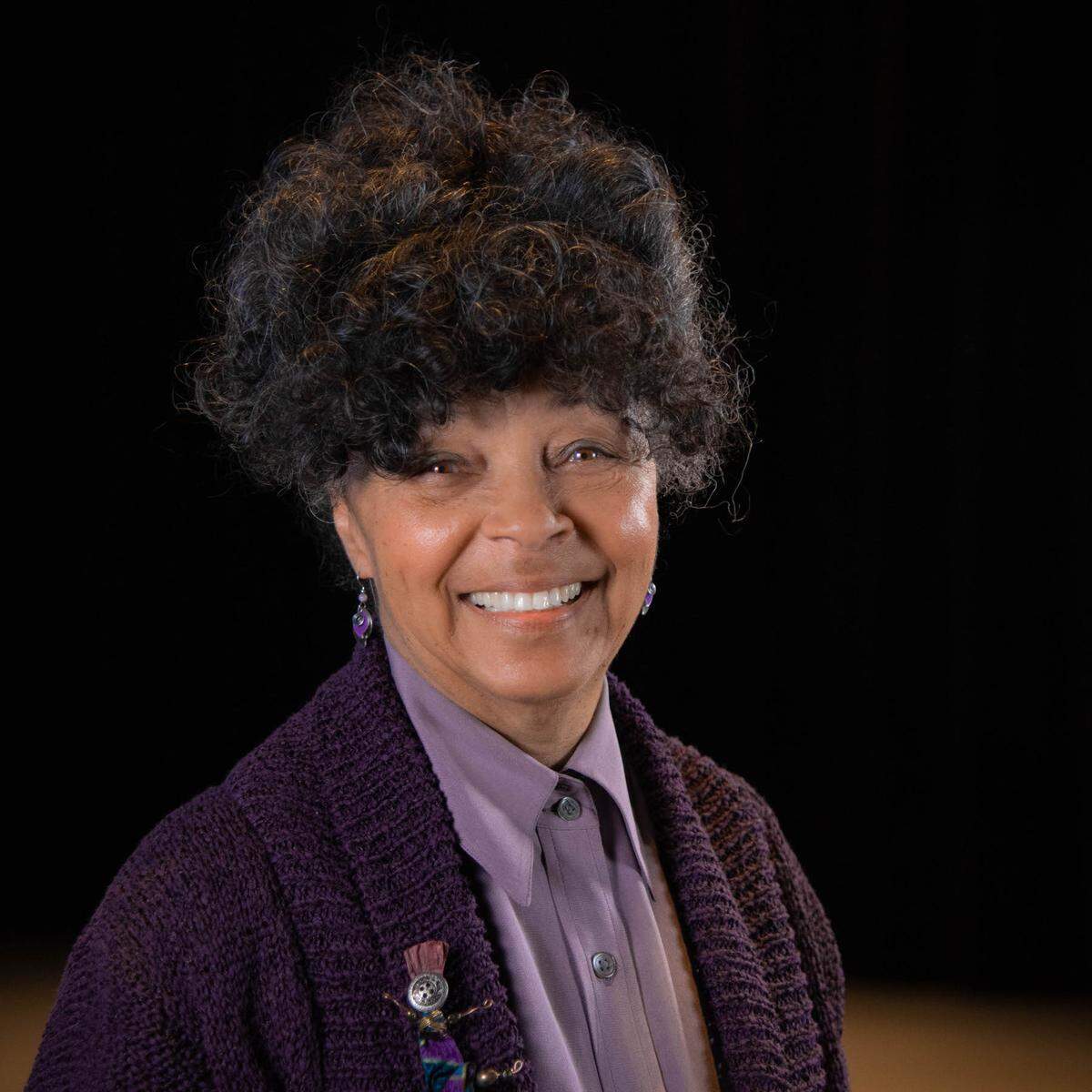
On a recent Tuesday afternoon, UNC Charlotte Associate Professor of Dance Karen Hubbard stood in the middle of the action while students warmed up.
There were no pirouettes or pliés here. This was authentic jazz dance where students use call and response, and improvisation, to learn dances like the Charleston and The Big Apple.
The moves are new to the students but would have been familiar in clubs like Harlem’s famed Savoy Ballroom a century ago. They are key elements in Hubbard’s vintage jazz class, a course combining dance and cultural history that she created and has honed for decades.
But the class will soon be coming to an end. After 36 years teaching at the university, Hubbard will retire this spring.
‘Hullabaloo’ and ‘Dolly’ too
Hubbard’s reputation extends well beyond the Charlotte campus.
She’s nationally known for her scholarship on vintage jazz dance and was a featured expert in the award-winning 2020 documentary film, “Uprooted: The Journey of Jazz Dance,” that also included the likes of Chita Rivera and Debbie Allen.
Hubbard also was recently interviewed for an oral history project at New York Public Library that delved into her diverse career.
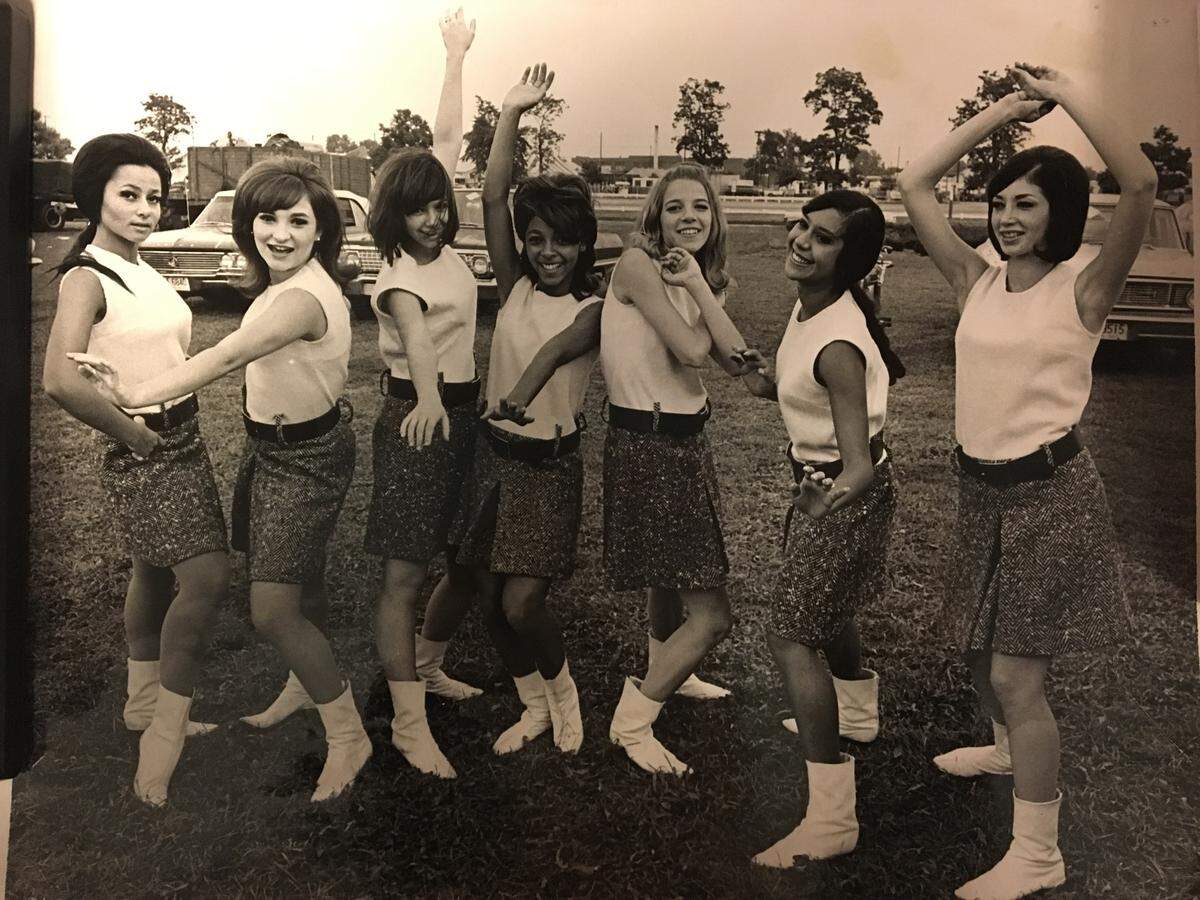
That included traveling the country with the Hullabaloo Dancers from a mid-1960s NBC variety show, performing in “Hello, Dolly!” on Broadway, dancing in the film “The Wiz” and training with some of the 20th century’s most influential dancers and choreographers.
‘I just wanted to dance’
Hubbard’s journey to a career in dance was a serendipitous one.
“I never wanted to be a dancer,” Hubbard said. “I just wanted to dance.”
She studied sociology at Kent State, worked for Glamour and Vogue magazines in New York, produced a local TV talk show in Virginia and started her own dance company.
Her first professional dance opportunity came in 1965. She was on summer break following freshman year at Kent State. Visiting her roommate in New Jersey, she found her way to the June Taylor Studio in midtown Manhattan.
While taking a class, she was approached by a choreographer scouting for dancers to join a Motown tour. He asked if she was interested and she followed him, something she admits one would never do today.
“I remember we were out in the middle of Broadway. He said, ‘Let me see you do a pirouette,’ and I did it and we walked on to rehearsal and I went on tour with the Hullabaloo Dancers.” They were promoting the weekly TV show, which ran from 1965 to 1966.
Hubbard spent the summer touring as a go-go dancer with the live show, which included other acts like The Supremes, The Four Tops and Lesley Gore.
Hello, Broadway
Her route to Broadway also was not a typical one.
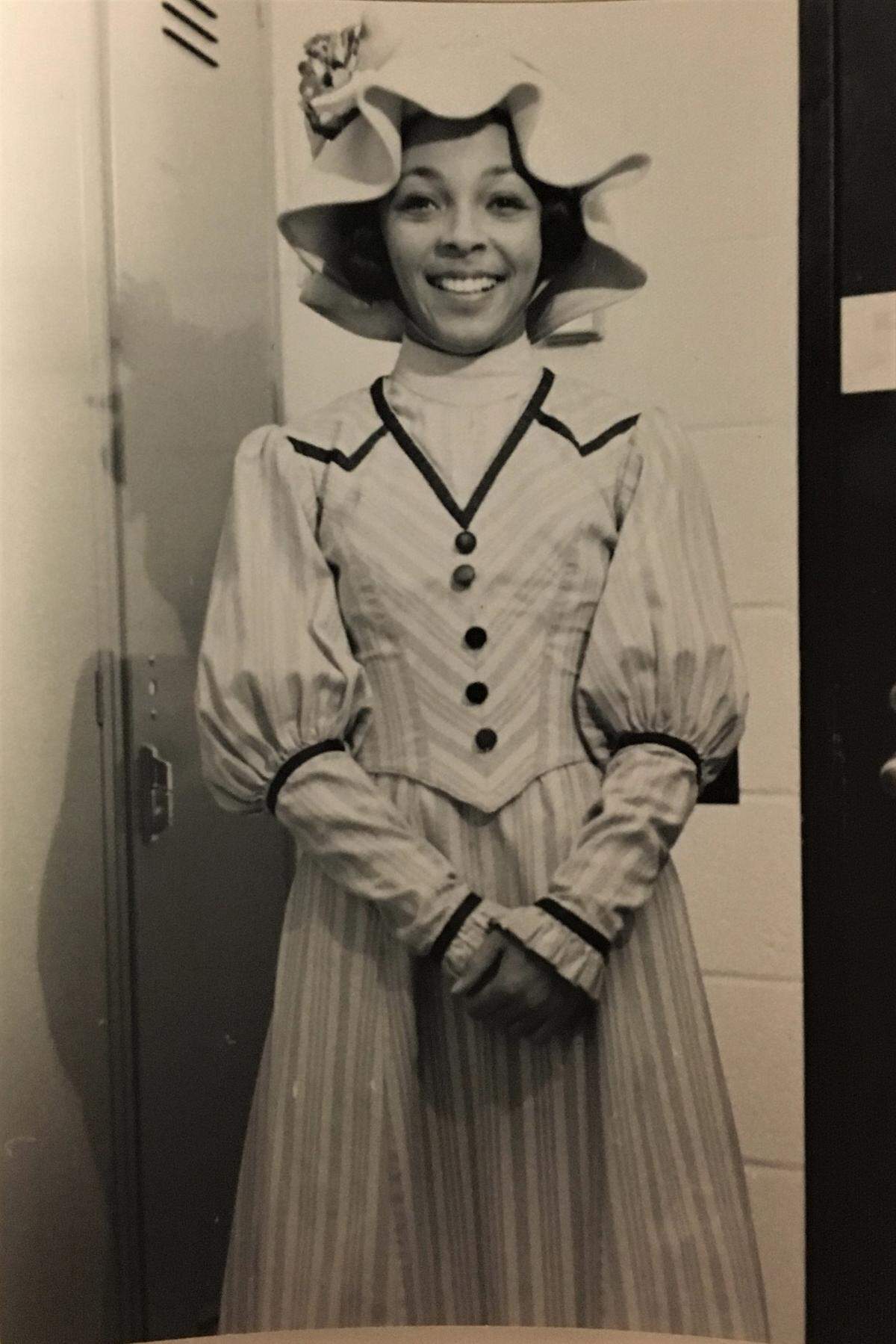
In the mid-1970s, Hubbard went to an audition for the revival of “Hello, Dolly!” because she was curious what it would be like. The show starred Pearl Bailey, and Hubbard nabbed the role of Ermengarde, the lovesick niece of Dolly’s own, eventual love interest, Horace Vandergelder.
Hubbard felt excited heading to her job in the theater district just as others were finishing their work day. “But the real joy was being able to earn a living doing something I really enjoyed.”
She remained with the show during its brief Broadway run and national tour.
Ease on down the road to the movies
A couple years later, Hubbard made a brief appearance as a munchkin in the 1978 movie “The Wiz,” a star-studded retelling of “The Wizard of Oz” starring Diana Ross, Michael Jackson, Lena Horne and Richard Pryor.
In the song “He’s The Wiz,” a string of images of “paper dolls” on the wall come to life and dance and sing. Hubbard is one of the dolls. And pay attention to the woman behind the images.
At a callback to measure for costumes, director Sidney Lumet saw Hubbard, grabbed her by the wrist and told one of the costumers he wanted all the paper munchkins to look like her.
She had come wearing athletic shoes, bobby socks, a jumper dress, with her hair in two little side buns. They had her lie down on a big sheet of brown paper and traced around her.
“It was amazing,” Hubbard said. “ I didn’t have an agent, mind you, so I got no money for that. But when we were on the set, I would look around and see the other paper dolls and they looked just like me. It was kind of bizarre.”
Preserving an art form
Hubbard also crossed paths with some top dancers and choreographers as she pursued her passion.
She spent time at the American Dance Festival, home of American Modern dance, then located at Connecticut College. There, she discovered the Alvin Ailey Company, and other renowned choreographers in residence including Twyla Tharp, Paul Taylor and Talley Beatty.
She performed in Beatty’s work, a tribute to Dr. Martin Luther King, alongside the dancer Debbie Allen. Beatty also directed her to Clark Center in New York for additional training.
That’s where she met Pepsi Bethel, an inspiration for her later academic career.
Bethel had been an original Savoy Lindy hopper in the 1930s. Hubbard studied with him and danced with his fledgling Authentic Jazz Dance Theater in 1969. On stage, “it was like sparks were flying from him,” she said. “I was just amazed.”
She has written about Bethel and the important role he played in preserving and teaching authentic jazz. She also choreographed a piece in tribute to him.
Elevating jazz research
Patricia Cohen, a faculty member in the Dance Education Program at New York University, first met Hubbard at a scholarly conference in the early 2000s. They have since collaborated on several presentations and publications.
Books featuring Hubbard’s scholarly work are an important component of the courses Cohen teaches at NYU.
“Her impact, certainly on me, and on so many dance educators has been powerful in placing the history of jazz dance within a continuum,” Cohen said.
Until recently, Cohen said, jazz dance had not been considered a respected academic field.
“It’s been entertainment, not to be valued. Until people like Karen said, ‘no, jazz is very important to research and to understand in its cultural, social, historical context.’ ”
Both scholars say what many people misidentify as jazz dance is really a theatrical style that some ballet and modern dancers — including Bob Fosse — started doing to jazz music in the late 1940s and ‘50s. But the roots of authentic jazz dance don’t come from a dance studio.
They developed out of African American tradition.
“The real authentic jazz dancers are what we call now the swing dancers, the Lindy hoppers and the Charleston dancers,” Hubbard said. “They’re doing vernacular dance. It continues through breakdance and hip-hop; that’s the vernacular stream.”
Hubbard wants her students to understand that jazz is a dance form indigenous to the U.S.
“As I tell my students, it was born and raised here,” she said. “It was social dance that was embellished for entertainment.
“At one time, jazz dance and music went together… And if we hadn’t had enslaved Africans in this country, we wouldn’t have jazz dance… These dances came off of the plantation, really, and onto the stage.”
An enriching career at UNCC
At UNC Charlotte, longtime colleague Delia Neil joined the university a year after Hubbard, and has many fond memories from those 35 years.
One of her favorites was when a colleague convinced them to perform together for a Faculty Dance Concert in 1987.
Although the two come from opposite ends of the dance world — Neil is from the ballet world — they had fun performing a modern dance piece, set to Scott Joplin’s Ragtime classic, “The Entertainer.”
In the 1980s, there were not many African American women faculty members at UNCC, Neil recalled. “(Hubbard) was an important hire for the university in that respect,” she said, noting Hubbard’s substantial contributions overseeing the design of several classes and serving on many cross-departmental committees.
For Hubbard, the committee work provided an opportunity to learn from colleagues across the campus as well as a way to support artists in her department.
“I always felt like if I can do committee work so somebody else can choreograph, I’ll do the committee work,” she said.
Hubbard says she has loved her time at the university and always felt like her work was valued. “It has always been a positive experience for me here at UNC Charlotte,” she said. “Positive and enriching and supportive. I just can’t say enough.”
Now the university will get to say thanks to Hubbard too. She’s being honored at the spring dance concert that runs from March 31-April 3, where the university will screen a short video about her life and career.
More arts coverage
Want to see more stories like this? Sign up here for our free “Inside Charlotte Arts” newsletter: charlotteobserver.com/newsletters. You can also join our Facebook group, “Inside Charlotte Arts,” by going here: facebook.com/groups/insidecharlottearts.
This story was originally published March 22, 2022 at 12:22 PM.