
Charlotte Symphony excavates its past, and has big plans for 90th anniversary
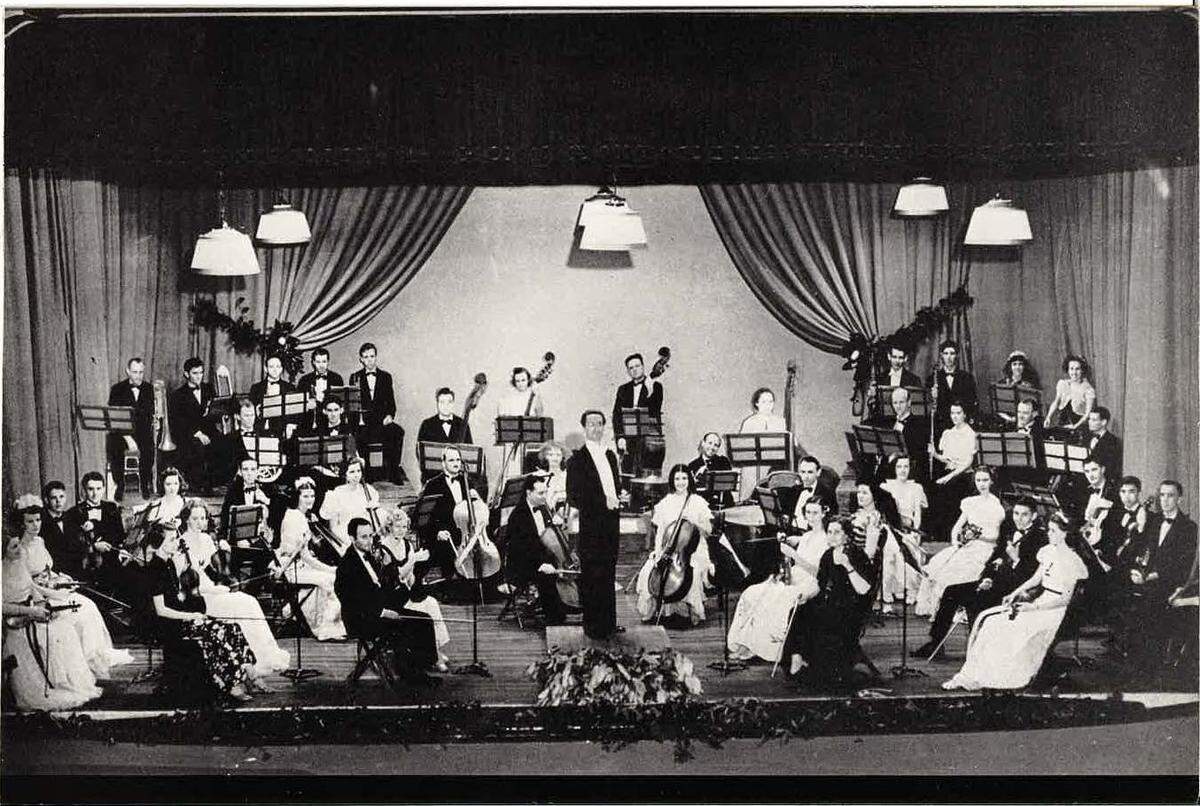
Ninety years ago this month, a group of musicians gathered to perform a free, two-hour public concert at the newly built Carolina Theatre on Tryon Street.
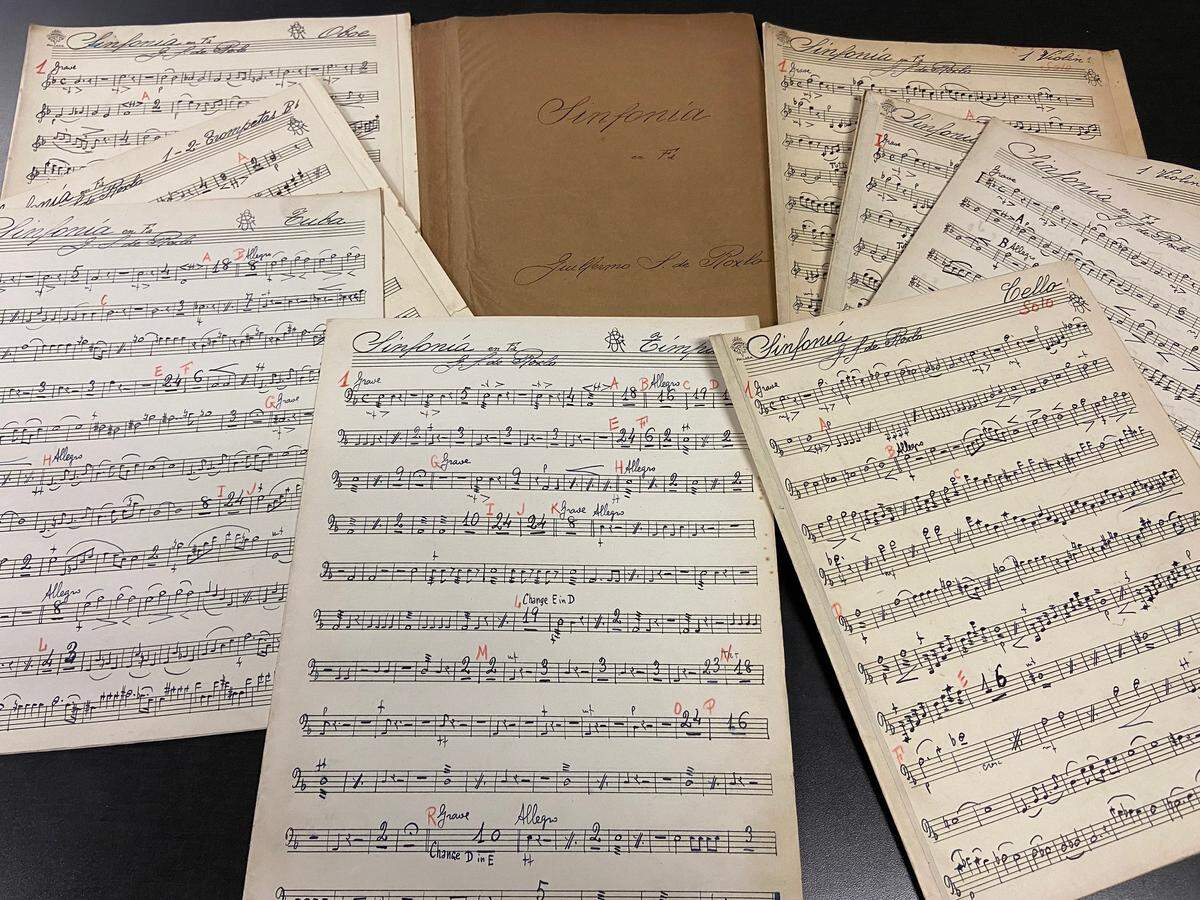
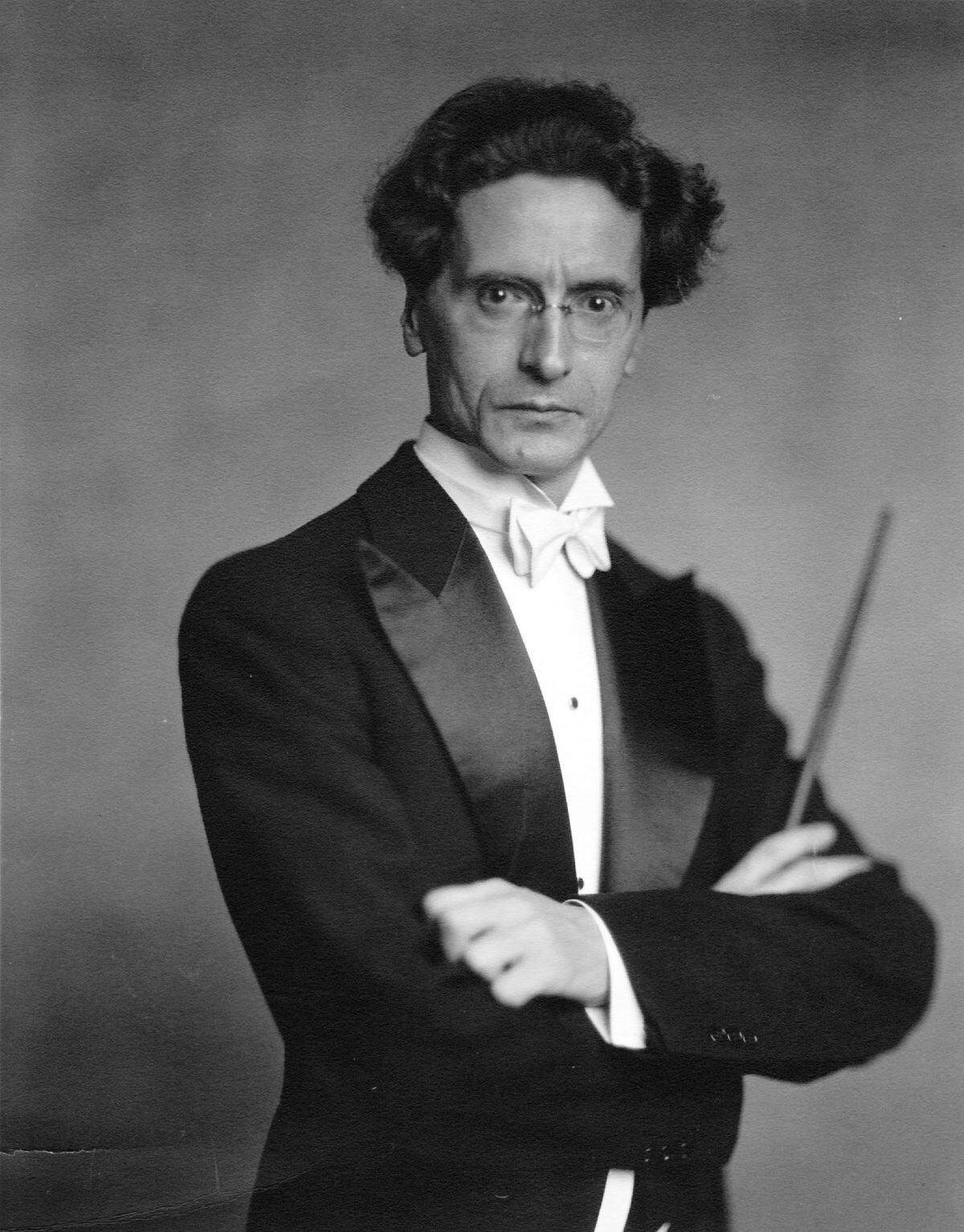
But with a $60 budget for the entire season, ($1,205 in today’s dollars) they couldn’t afford a copyist to prepare the sheet music. So conductor Guillermo S. de Roxlo — a newly arrived immigrant who had fled the Spanish Civil War by way of Cuba — hand-copied orchestra parts for all 57 of the musicians.
From this humble beginning, the Charlotte Symphony Orchestra was born. It’s now one of the city’s major arts institutions and the longest continuously running orchestra in North Carolina.
For its 90th anniversary, the symphony is releasing four new virtual exhibitions throughout March featuring photos, artifacts, oral histories and highlights of nearly a century of music-making.
The online exhibits focus on the following themes: the symphony’s founding; details on its 11 music directors; the history of its education programs and youth orchestras; and its integration in 1963.
The group will also perform two special concerts March 11 and 12 at Belk Theater (130 N Tryon St.), conducted by Music Director Christopher Warren-Green. The programs, which include British composer Vaughan Williams’ “Dona Nobis Pacem” (“Give Us Peace”), are being dedicated to the “courage, strength, and resilience” of the Ukrainian people.
Creating a digital archive for the symphony
The idea for a digital archive began as a personal quest by symphony Director of Communications Deirdre Roddin to learn more about the orchestra.
She joined the organization in February 2020, just weeks before the COVID-19 pandemic hit. As she and her new colleagues relocated to their homes for work, Roddin said she was desperate to find historical information to help ground her in her new role.
Roddin had come to Charlotte from the New York Philharmonic, an organization with a vast archive documenting its more than 175-year history.
“They saved every piece of paper,” she said, and more whimsical items too. That included the drinking glasses of famed conductor Leonard Bernstein and scores with handwritten notes in the margins by the composer Gustav Mahler.
“I had been a little spoiled by that,” Roddin said. It spurred her desire to see something similar for Charlotte.
She knew others had previously explored and documented the symphony’s history, like Meg Freeman Whalen, who had been commissioned to write a commemorative history for the organization’s 75th anniversary.
But Roddin could not locate the original source materials in the symphony offices. Colleagues told her that at a certain point, items were purged from the office and sent elsewhere for safe-keeping.
“Over the years, with turnover, the organization as a whole begins to lose its history a little bit,” Roddin said.
She became determined to find the missing photos, newspaper clippings and other artifacts that could tell the orchestra’s story. And when she learned the 90th anniversary was fast approaching, Roddin set the goal of digitizing everything to make it publicly accessible.
“I one hundred percent bit off way more than I could chew,” Roddin said.
Expert help
So she sought help from experts. She reached out to librarians in Charlotte Mecklenburg Library’s Carolina Room, archivists at UNC Charlotte’s Atkins Library and local historian Tom Hanchett, among others, for guidance.
It turned out boxes full of memorabilia did exist and she tracked them down.
That included what she considered “the holy grail”— de Roxlo’s hand-written scores from the first concert in 1932. The debut performance included Mozart’s overture to “The Marriage of Figaro,” Debussy’s “Reverie,” Wagner’s “Prelude to Lohengrin,” selections from Grieg’s “Peer Gynt Suite” and the premiere of de Roxlo’s Symphony in F Major.
At the time, de Roxlo, his wife and young son were living in the basement of a Charlotte family they had befriended in Cuba. The accomplished violinist/composer earned money giving private music lessons to students around the region.
And for many years, neither he nor the orchestra members would be paid for their performances.
Piece by piece, putting it together
Roddin also tried to locate people who could share their memories.
“Part of what was so wonderful about writing the history of the symphony was all of the many conversations I had,” said Whalen, who now works for UNCC’s College of Arts + Architecture. “...It was a really special experience.”
That work turned out to be invaluable too, since many people that Whalen spoke to in the fall of 2006, who were fundamental to the organization’s establishment and growth, are no longer living.
“Without the book she worked on for the 75th anniversary, I wouldn’t have even known where to begin,” Roddin said.
Connecting with the community
Roddin hopes the exhibits will show that a passion for sharing music has always been at the core of the symphony.
Take, for example, the beginning of school day performances for Charlotte Mecklenburg Schools students, which this month brought more than 11,500 area fifth graders to Belk Theater to hear the symphony play.
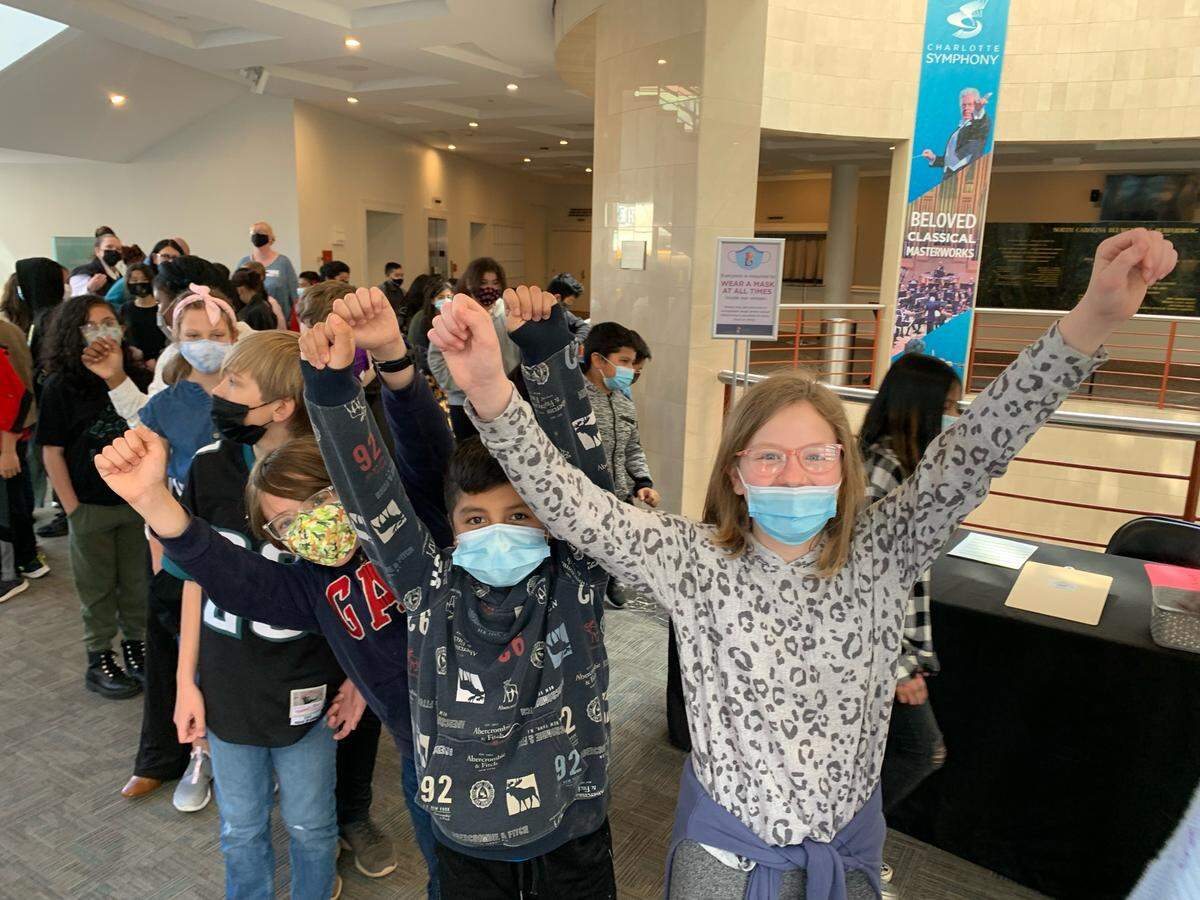
That initiative dates back to 1954, when the orchestra first made plans to bus fifth and sixth graders to concerts at the Armory Auditorium (now the site of the Grady Cole Center).
But the very day the orchestra’s manager met to discuss logistics with civic groups and school representatives, the Armory caught fire and burned down. Undeterred, the symphony brought the concerts to 12 centrally located schools with large auditoriums for two years until Ovens Auditorium was built.
Roddin has also added some new oral histories to the project, including family memories from Katherine Roxlo, a granddaughter of the founding music director.
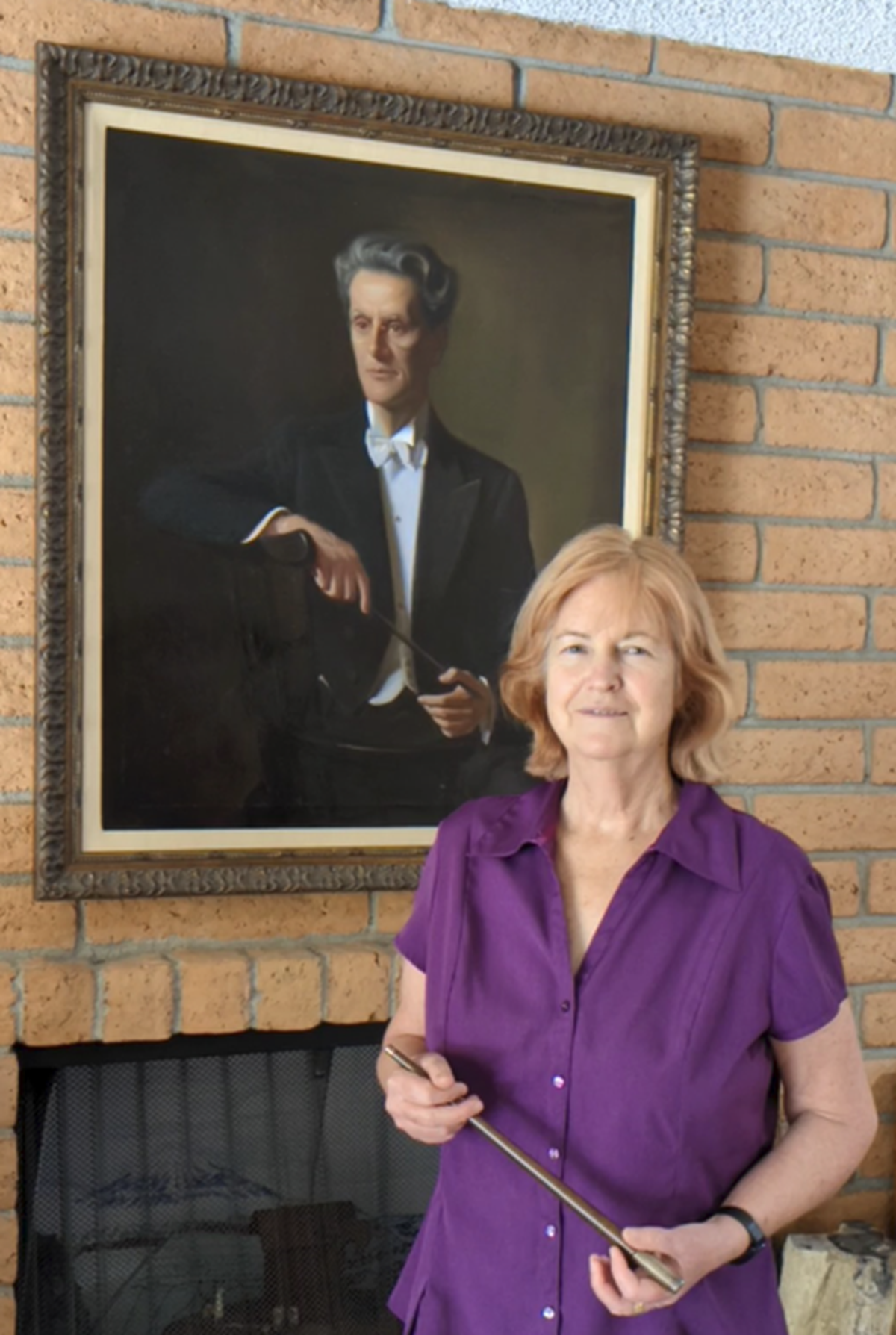
“I think back then the idea of a symphony orchestra was really a dream of all Charlotteans…” Roxlo told the Observer. She is flying in from Phoenix for the March 11 concert to present the orchestra with a giclee print of an original 1941 portrait of her grandfather painted by his contemporary, artist Dayrell Kortheuer.
“Everybody took up an instrument. That was just the way it was back then,” Roxlo said. “You were a teacher or a plumber or, I don’t know a hairdresser… and in the evening you practiced your instrument and all these people had this idea of coming together… It must have been really magical.”
Integration of the symphony
Roddin also interviewed violinist Leroy Sellers, one of two Black musicians who integrated the symphony in 1963.
“It was super important to me that as I was figuring out how to communicate on behalf of the Charlotte Symphony that we had that history, that we could own that part of our history, all of it — good and bad,” Roddin said.
“As we are working on issues such as diversity, equity and inclusion, to not have that history to look back on is a shame and it’s doing us a disservice. And it’s doing Charlotte a disservice too to allow our history to just sort of evaporate into thin air.”
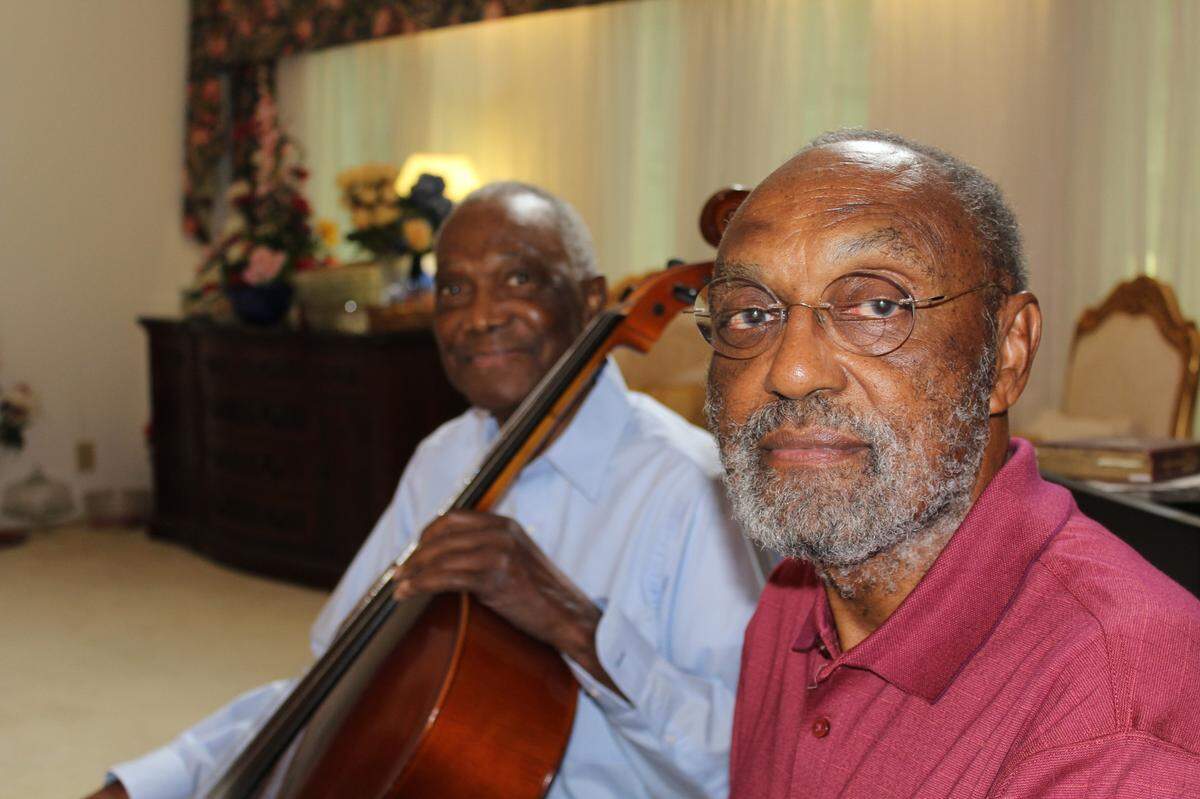
From Sellers, she learned that while the musicians and Music Director Richard Cormier were supportive and welcoming, some others within the organization opposed hiring him and cellist Samuel C. Davis because they were Black. A standoff between those for and against took place during the auditions.
There’s much more history to share, and Roddin hopes the work will continue to make these items publicly available.
The orchestra is exploring grants to facilitate that process, including hiring someone who could provide a more comprehensive historical context for the symphony’s growth alongside Charlotte’s.
“The people who have done the work over the years to save those items,” she said, “to keep the symphony alive for 90 years… they are the heroes.”
Want to know more?
Access the exhibitions at charlottesymphony.org/history.
The Charlotte Symphony’s 90th Birthday Concert takes place March 11 and 12, 7:30pm at Belk Theater. Tickets and additional program details available at charlottesymphony.org.
More arts coverage
Want to see more stories like this? Sign up for the free “Inside Charlotte Arts” newsletter at charlotteobserver.com/newsletters. And you can also join our Facebook group, “Inside Charlotte Arts,” at facebook.com/groups/insidecharlottearts.
This story was originally published March 9, 2022 at 6:00 AM.