
New play gives voice and agency to Black residents in the town of Davidson
The 6 square miles that comprise the leafy and wealthy town of Davidson north of Charlotte is home to Davidson College, a bustling town center and about 15,000 residents.
Davidson is also an overwhelmingly white community, although it is home — past and present — to generations of Black residents who have contributed to its success. About 5% of the town is Black, the latest census data show.
A new play aims to bring the area’s full history to light in a way that will affirm the Black experience as well as educate the community, said Matt Merrell and Sylvia Schnople, executive director and artistic director of the Davidson Community Players.
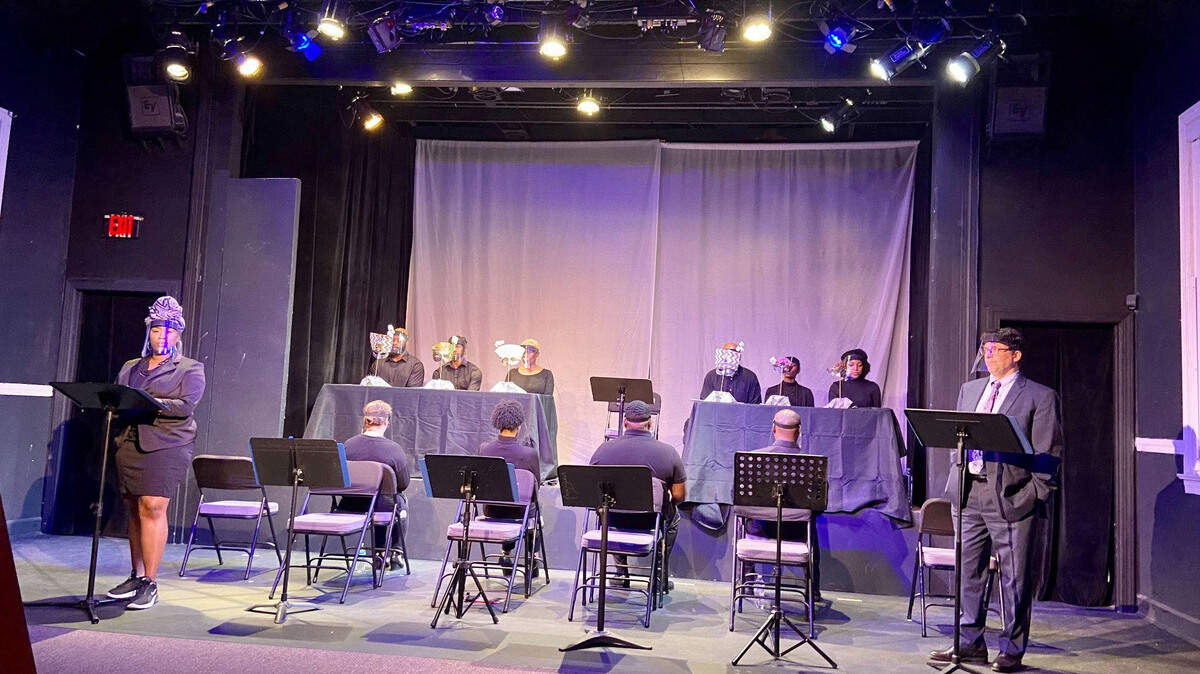
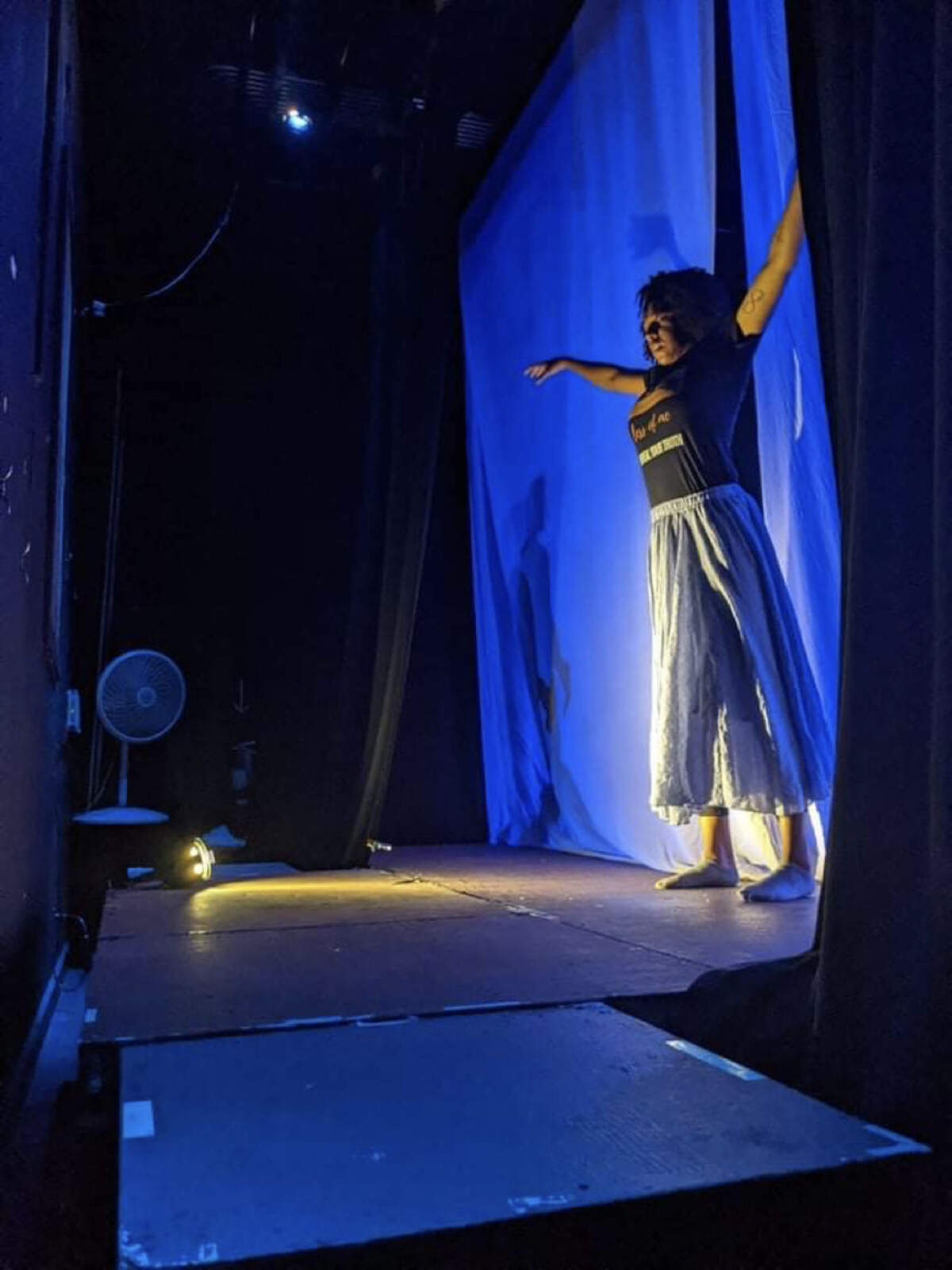
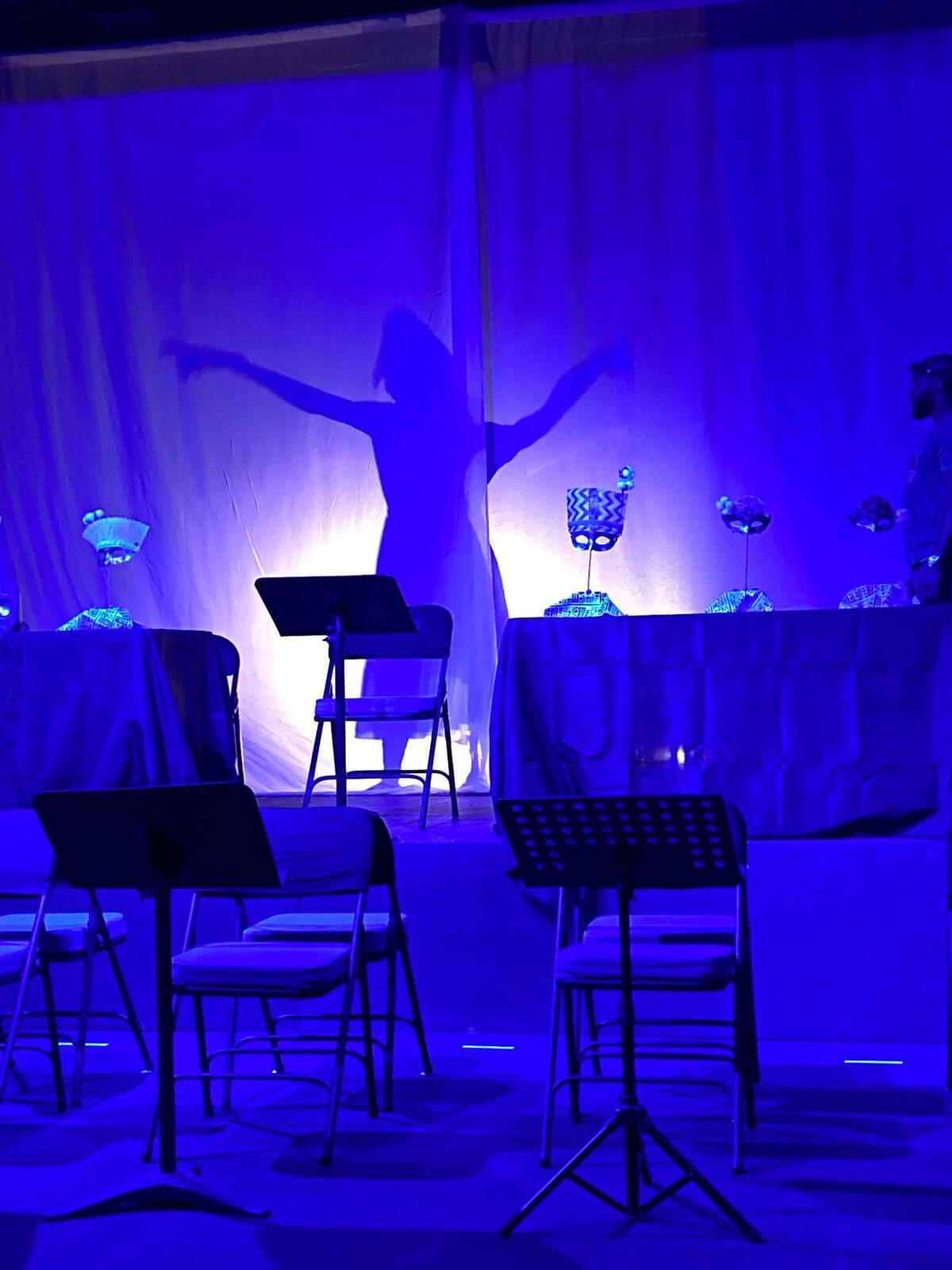
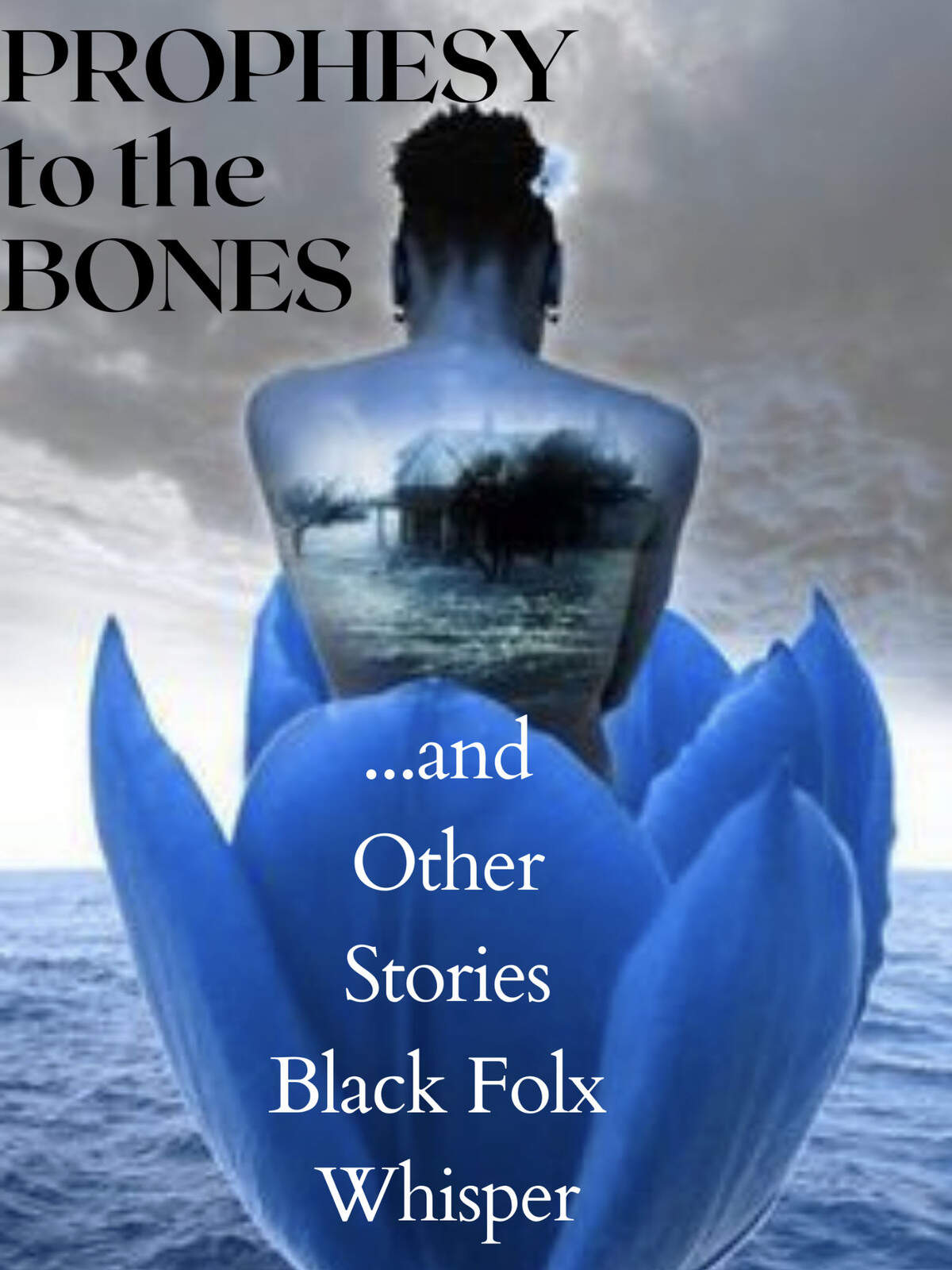
The company’s latest production, “Prophesy to the Bones: And Other Stories Black Folx Whisper,” is a collaboration with Charlotte playwright Nichole M. Palmer. It will debut May 26 at Davidson’s Armour Street Theater.
The town of Davidson was also contributing financial support to the production, Merrell said.
Telling their own story
DCP is using art as a device to help raise people’s awareness about social justice issues.
Merrell spoke about conversations he and Schnople had in the summer of 2020 in the wake of George Floyd’s murder and a spate of racial violence that precipitated the project.
“To say that we were very moved by the widespread protests is an understatement,” Merrell said. “We looked around at our peer organizations as well as our own, and noticed that while there was a lot of self-flagellation happening within the artistic community, there wasn’t a whole lot being done to move the ball. “
Merrell said he and Schnople had a number of conversations about how they could do something tangible to “confront these societal issues and initiate a public conversation.”
They decided to commission a Black artist to create a work that would — in the words of Roman poet Horace — both delight and teach audiences.
As an organization, DCP had already made a commitment to highlight BIPOC voices and artists, but its leaders hoped this effort would make even more of a statement.
They knew that they wanted their initiative to be both resonant and relatable. So they settled on the idea of telling the story of their own community.
“In Davidson, the Black community has in many ways always been a footnote to its history because of who has been telling the local stories,” Merrell said. “So we thought, let’s have a playwright interview residents to peel back the mask and tell their stories.”
Schnople agreed. She called Palmer the obvious choice for the role, someone who had been an instructor at DCP and was invested in the community, with a gift for nurturing stories.
“We were shocked and surprised by some of the stories, but believe that this community needs to feel a little uncomfortable,” Schnople said.
Early hurdles
Palmer was quick to get on board, but faced some challenges early on.
Although her work began in the middle of the pandemic, what slowed her down was getting people to talk. She began her self-described “seek-and-find” mission in earnest in January 2021 through online and archival research.
A few months in, people she had hoped to interview still weren’t opening up.
“But just before the summer started, someone reached out and said ‘the elders are ready to speak to you now’ and that is when the door slowly started to open,” Palmer said.
She spoke to a range of people around Davidson — from community members to BIPOC professors and college students. Many newspaper clippings and other historical records corroborated the stories she was hearing, and was able to document how the town did — or did not — respond to instances of racial injustice.
To develop characters for the play, Palmer thought about who she had interviewed and how she could create composites of individuals and incidents from 1943 to the present.
In the play, the central figure, Deborah, is bequeathed a house by her late aunt and now has to move to the South to settle her affairs.
Using this plot device allowed Palmer to tell the history of Davidson through Deborah’s discoveries, which include secrets that are revealed through letters found in her aunt’s house.
The play also features a traditional element of Black oral culture — call-and-response — depicted through an ancestral chorus that helps to illuminate moments that people (or specifically, the main character) can’t see.
A ‘better understanding’
Palmer said she had frequent conversations with Merrell and Schnople while she was working on the play, and offered a warning early on. “I said, it’s going to be really hard. And I’m not going to water it down to make it palatable.”
They encouraged her to stay true to her vision.
The playwright emphasized that she wanted to move away from “trauma porn” that often dominates the airwaves.
“Yes, the legacy is a painful one, but good stories have both sadness and levity. I wanted to also showcase Black joy,” she said. “I am most proud that a community entrusted me with their story and I feel a responsibility to give it back with the love and reverence with which it was given.”
Director Nancy Nelson-Ewing collaborated with Palmer on how to best translate her script to the stage through an artistic vision that infuses stylistic elements like Afrofuturism and Afropunk into its music and costumes.
“When you think about the hatred that racism has manifested in this country, Black people have truly suffered. And white people think they haven’t been affected by racism, but they have,” Nelson-Ewing said. “It has stripped them of their humanity.
“In the world we created, in the language Nichole wrote, in seeing their own humanity on stage, I want white people to see it as well as Black people. I want people to learn history and to walk away feeling more connected to each other,” Nelson-Ewing said.
“Theater creates instant community,” she added. “I want people to walk away going, ‘Wow! I’ve never had a theatrical experience like that before.’ ”
Palmer agreed. “(Audiences) will get to see a world they’ve never experienced. For white people, that is the Blackness of the characters. I also want the audience to delight in how we tell the story.”
Summing up. Merrell said, “We want people to come away with a much better understanding of their neighbors.”
To that end, performances will feature post-show community talk-back sessions moderated by facilitators trained in diversity, equity, and inclusion best practices.
Producers hope this added element will keep the conversation going after the curtain falls. Or as Palmer put it, “I want conversations to bloom outside of people’s homes.”
Want to go?
What: “Prophesy to the Bones: And Other Stories Black Folx Whisper.” Davidson Community Players recommends the show for ages 13 and up due to sensitive subject matter. The show contains many references to racism, racial slurs and bigotry.
When: 8 p.m. May 26-28; 2 p.m. May 29.
Where: Armour Street Theatre, 307 Armour St., Davidson
Cost: $12 for reserved seats, purchase at davidsoncommunityplayers.org or call 704-892-7953
More arts coverage
Want to see more stories like this? Sign up here for our free “Inside Charlotte Arts” newsletter: charlotteobserver.com/newsletters. You can also join our Facebook group, “Inside Charlotte Arts,” by going here: facebook.com/groups/insidecharlottearts.