How did Charlotte’s Grier Heights begin? New exhibit tells this Black community’s story.
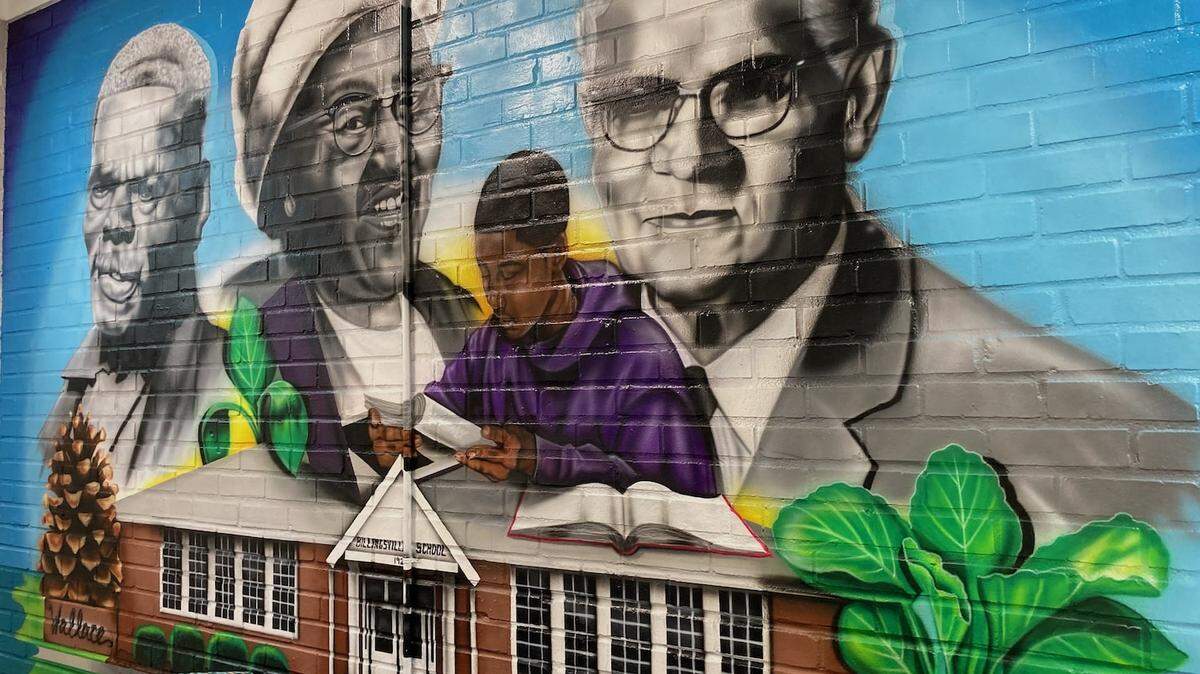
Viewers of the Levine Museum of the New South’s latest exhibit, “Grier Heights Community is Family” will see how a tight-knit farming community grew from humble origins into a bustling Black neighborhood.
The exhibit which opens Saturday, Nov. 19, highlights 140 years of community with stories of Black schools, churches and traditions that became the hallmark of the Grier Heights community.
“This was a community that had their own stores, their own farms, they employed their own,” said Tijua Robinson, executive director of Grier Heights Community Center. “It was a community that honestly got it out the mud.”
The exhibit is a collaborative effort with the community.
Museum officials “wanted to make sure we heard their stories and were portraying their stories accurately,” said Karen Sutton, Levine’s director of community engagement.
She said the museum wanted to spotlight a community that might not be that well known, but still had compelling stories — it was started by former slave Sam Billings — and was rooted in perseverance.
Showcased in the Grier Heights Community Center, the exhibit features photos and videos illustrating the community’s trajectory from farming into a bustling Black suburban neighborhood, Sutton said. First-hand accounts of longtime residents and their memories of the community are also a part of the exhibit.
Since the 19th century, Grier Heights grew because the community supported each other as one big family, says Keri Petersen, senior director of history and exhibits at the Levine Museum.
That responsibility and obligation was passed down through the generations, she said.
“When people come from outside the community, or even younger people from within, we hope they’ll be inspired to look at all of our communities like one big family,” Petersen said.
Inspiring change in the community
The story of Grier Heights begins with Billings, a former enslaved man, who purchased the land in 1892 to establish a Black neighborhood, Sutton said.
“That took a lot of courage, dedication and commitment to community,” Sutton said. “That’s the essence of this project.”
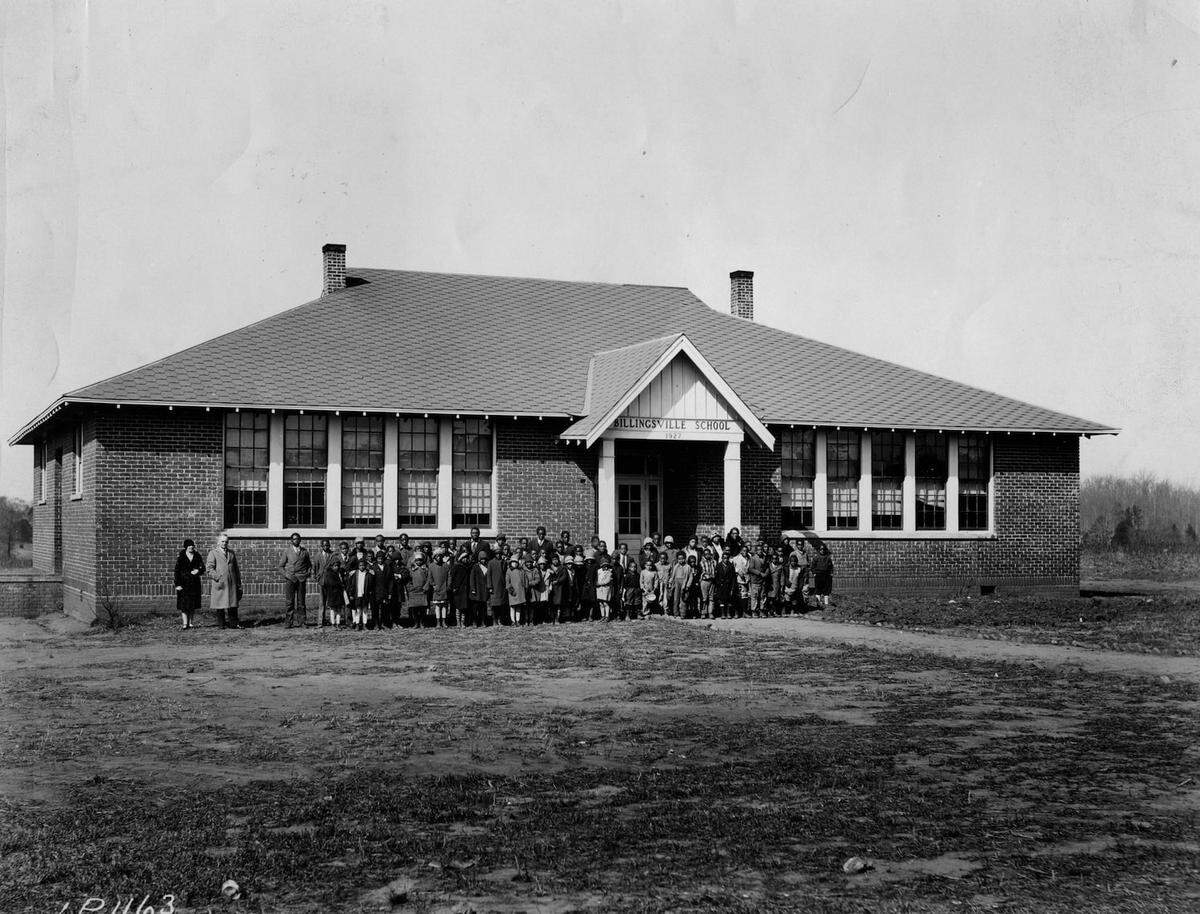
Billings also had a commitment to entrepreneurship and helping others start his business, according to Petersen. In 1927 he donated land to establish Billingsville School, which still exists today as the Grier Heights community Center, she said.
The exhibit also highlights Black businessman Arthur S. Grier, another pioneer of the neighborhood, Petersen said. He would go on to build 100 homes sold to Black soldiers returning from World War II, she said.
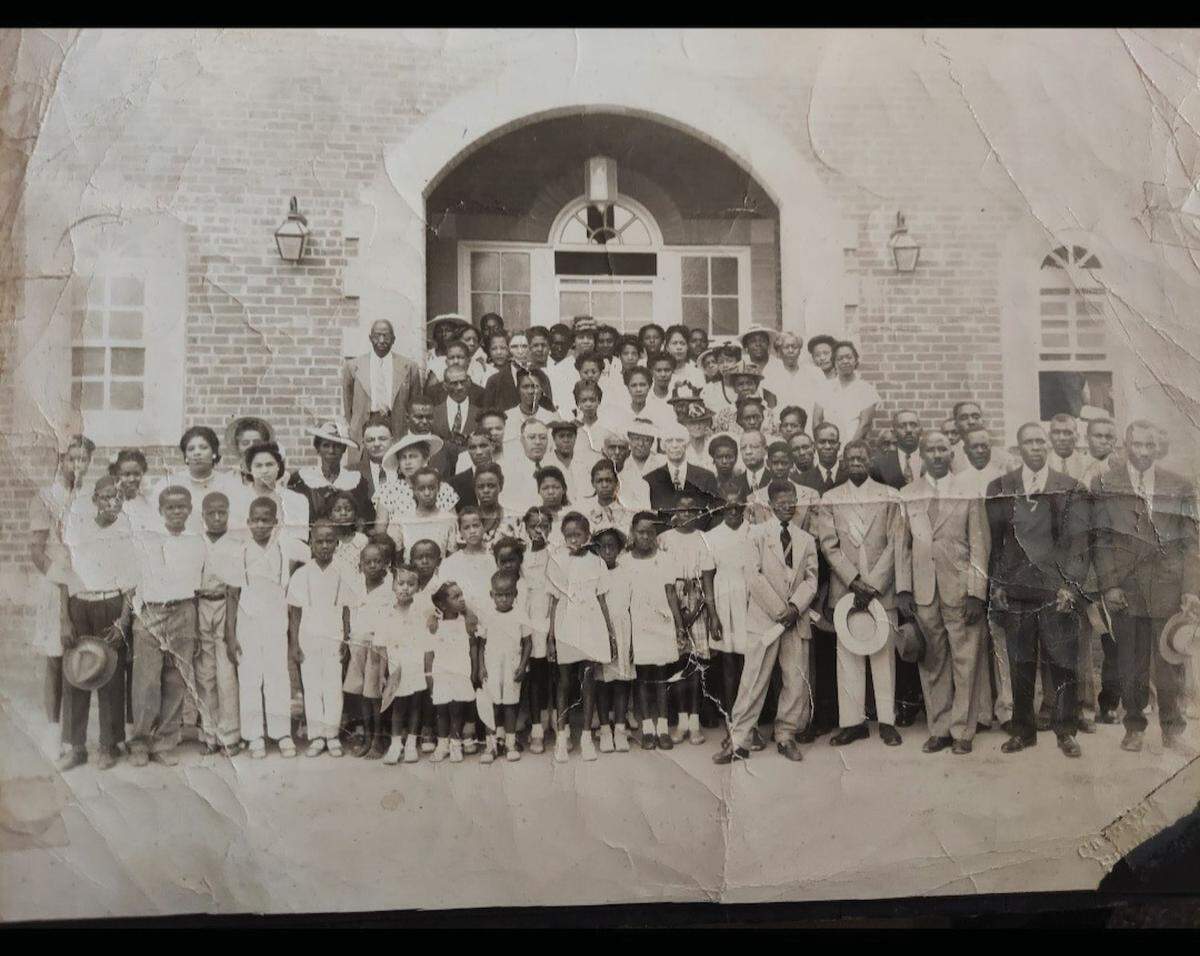
“He helped to continue this idea of Black owned businesses and Black home ownership, which contributed to what became a very thriving and successful community,” Petersen said.
There are many generations living here and the community is fortunate to have longtime residents be able to share their stories in the exhibit, Robinson said.
“For us it’s also about sharing those stories so other communities of color can be inspired to preserve their history as well,” she said.
Sutton said the exhibition will remain in the community center for the next three months, with the possibility it will travel to other locations in Charlotte, such as libraries or churches.
“To hear the success stories of thriving Black communities and what that (means) to others and the surrounding area is important,” Sutton said.
Want to go?
The “Grier Heights Community is Family” exhibit is at the Grier Height Community Center, 3100 Leroy St.
Additional information is available by calling 980-498-1487.
A celebratory program from 2 to 4 p.m., opens the exhibit on Saturday, Nov. 19.
More arts coverage
Want to see more stories like this? Sign up here for our free “Inside Charlotte Arts” newsletter: charlotteobserver.com/newsletters. You can join our Facebook group, “Inside Charlotte Arts,” by going here: facebook.com/groups/insidecharlottearts. And all of our Fall Arts Guide 2022 stories are here: charlotteobserver.com/topics/charlotte-fall-arts-guide
This story was originally published November 17, 2022 at 6:00 AM.