Elvis, vaudeville and ‘The Sound of Music’: Inside Carolina Theatre’s history
The historic Carolina Theatre marked its splashy, $90-million revival the other week with a reopening celebration befitting of an uptown Charlotte landmark.
The 98-year-old theater had been shuttered for nearly half a century before reopening to the public. Already, the Charlotte Symphony held its Spring Gala there, with star soprano Renée Fleming. The orchestra and theater made a big ta-do about this since the venue was where the CSO held its very first performance in 1932.
So that got us thinking.
As the theater embarks on the next chapter of its history, what better time than to look back at some of the other highlights there. The theater’s history mirrored that of popular entertainment for much of the 20th century, from silent films and vaudeville acts to touring Broadway shows, pop singers and widescreen cinema.
Many of the dates and details come thanks to the research and recollection of Charlie Clayton, founder and president of the Carolina Theatre Preservation Society, and theater communications director Jared Misner.
Clayton told the Observer Wednesday it feels wonderful but unreal to finally see the theater renovated and reopened after spending years pushing for just that. “It’s crazy,” he said. “I think about all those times (going by the theater) and I’d call her ‘A Sleeping Beauty.’ I’d say, ‘I’m trying to wake you up, my dear.’ “
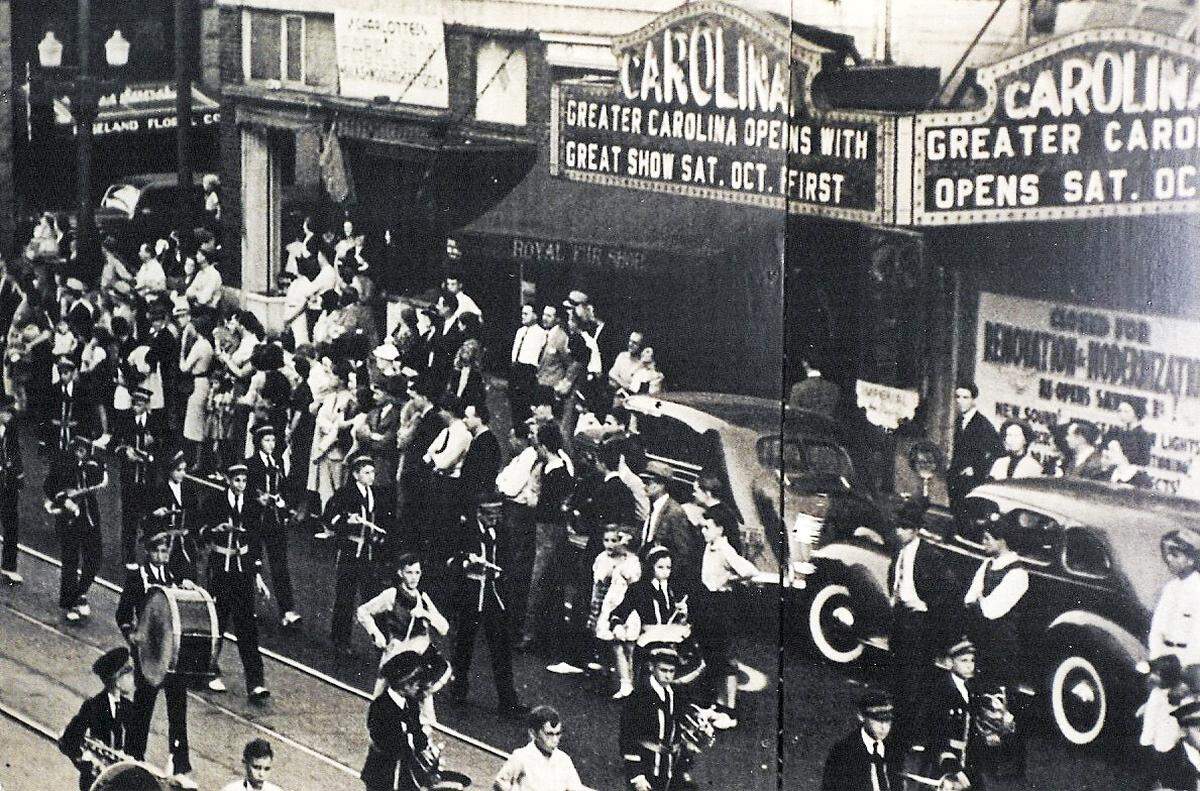
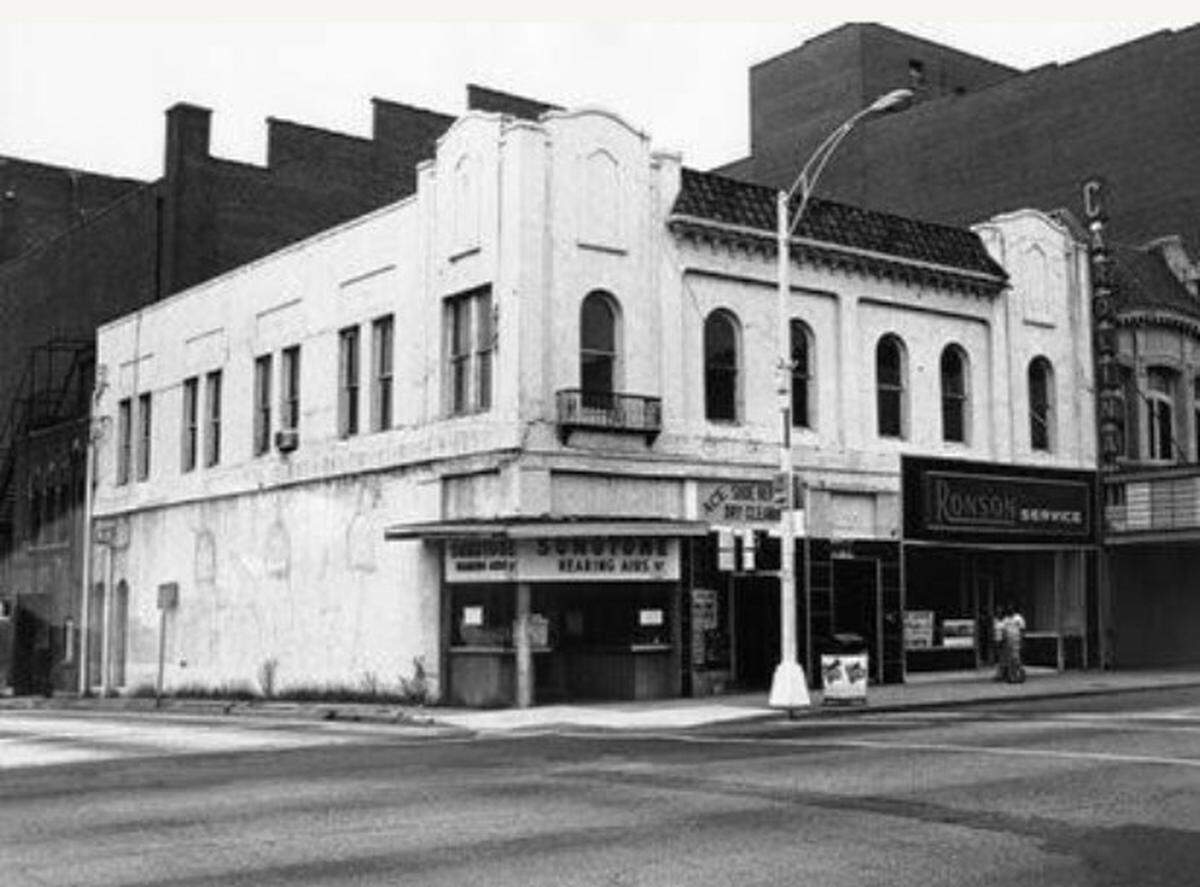
The earliest days of Carolina Theatre
▪ March 7, 1927: Carolina Theatre opens. Its first movie is the silent slapstick comedy “A Kiss in a Taxi” starring Bebe Daniels and Chester Conklin. It’s considered a lost film now, as no prints are known to have survived, a common fate for many silent-era movies.
The theater itself debuted to rave reviews in The Charlotte Observer, which gushed: “For sheer splendor and luxury, it is a creation that will provoke admiration throughout the theatrical world.” Not enough? The theater was also billed as the new “Cathedral to Entertainment.”
What’s more, it was the first commercial building open to the public in Charlotte that featured a new-fangled cooling system called “air conditioning.”
Performers on the vaudeville circuit often player the theater as well. One ad for the 1927 silent film “Casey at the Bat” with Wallace Beery also promised stage acts including ”an international singing star... foremost Spanish dancers... and (a woman playing) the mighty Wurlitzer” organ.
▪ March 14, 1927: A week after the theater opens, the movie “It,” starring Clara Bow plays there. Bow’s performance as a plucky and fashionable shop girl cemented her reputation as “The It Girl” who epitomized the Roaring Twenties.
.png "image (8).png")
From silent films to talkies and the CSO
▪ Early 1931: Silent film star Buster Keaton‘s early talkie, “Parlor, Bedroom and Bath,” opens at Carolina Theatre. Images of “The Great Stone Face” comedian adorn the marquee.
▪ March 20,1932: The Charlotte Symphony Orchestra makes its debut at the theater, under the baton of founding Music Director Guillermo S. de Roxlo.
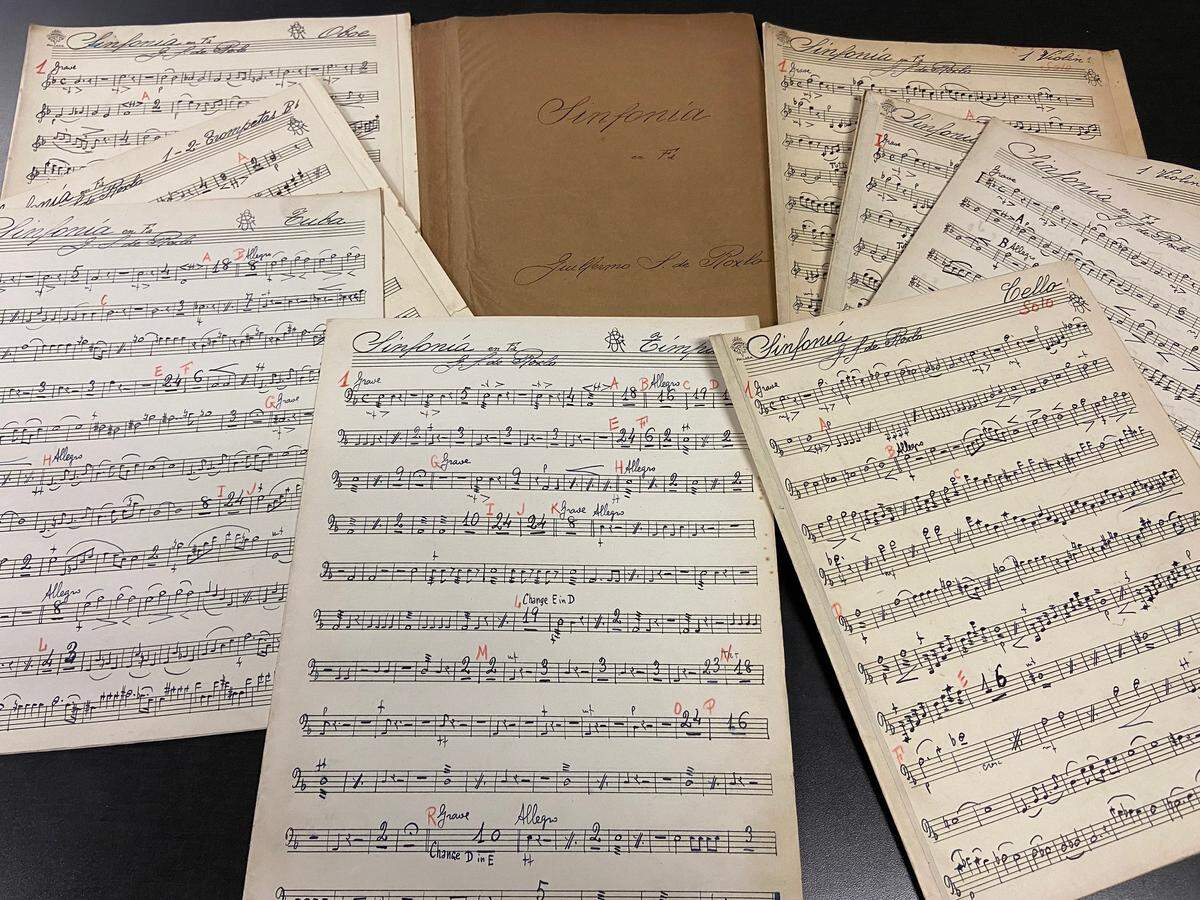
▪ March 30,1938: A decade after it opened, Carolina Theatre celebrates another “Grand Opening” after installing new projectors with sound. Its original murals were replaced with acoustic tiles and modern furniture was brought in too.
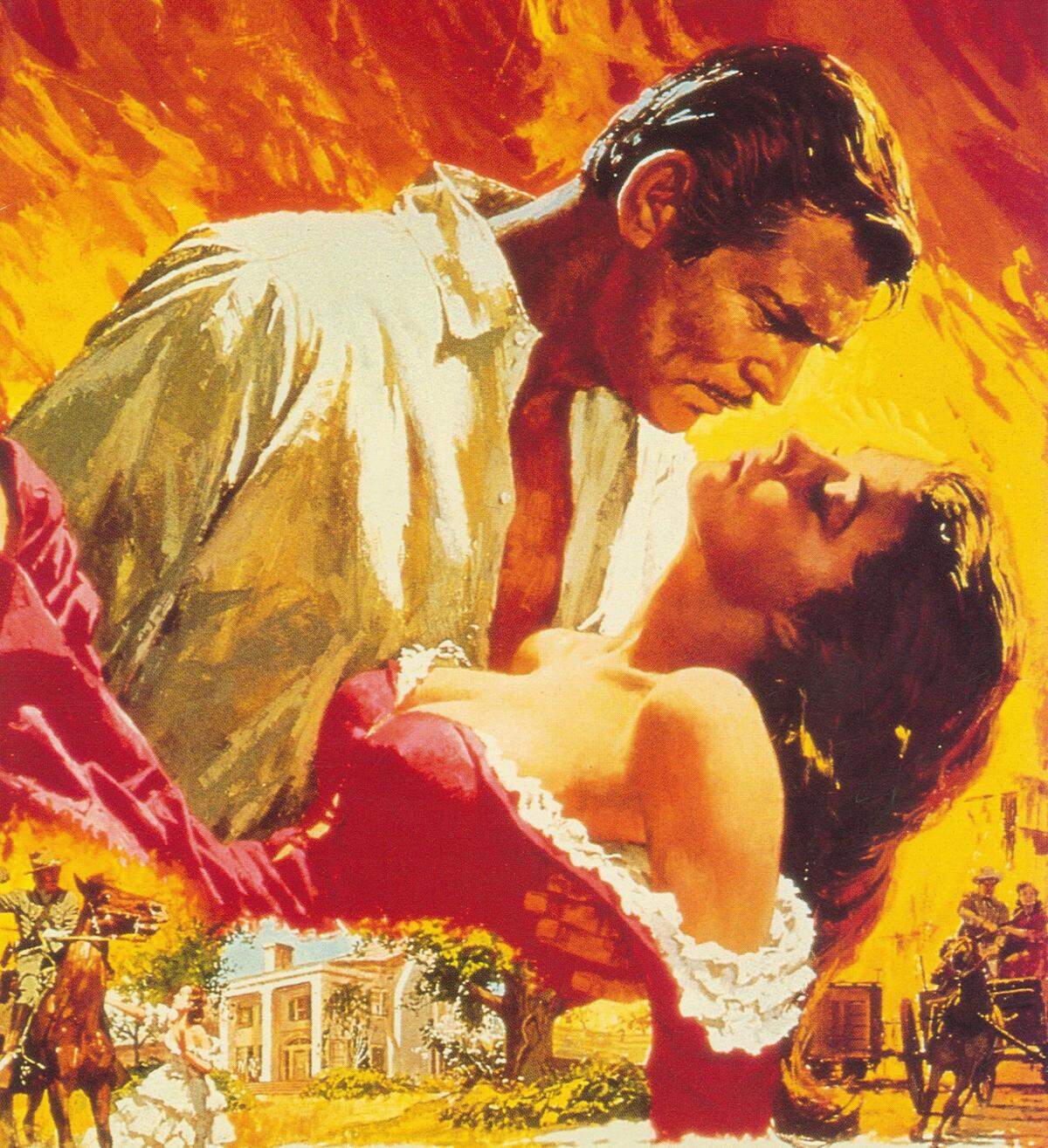
▪ Jan. 29, 1940: “Gone With the Wind” has its North Carolina premiere at Carolina Theatre.
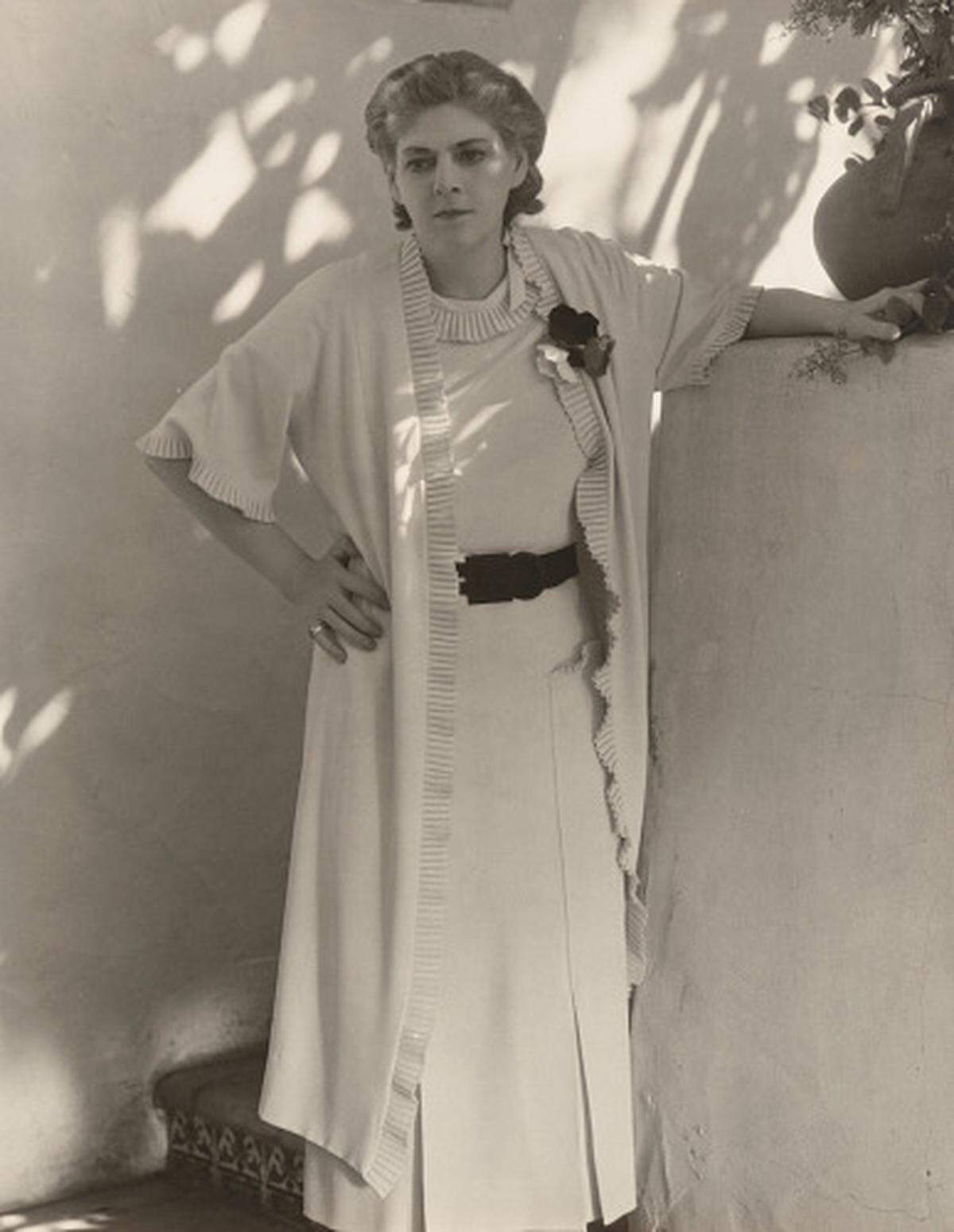
▪ 1943: “The Corn Is Green” play starring theater royalty Ethel Barrymore debuts in Charlotte, after Barrymore led the company on Broadway. The show by Welsh playwright Emlyn Williams celebrates how education can save lives.
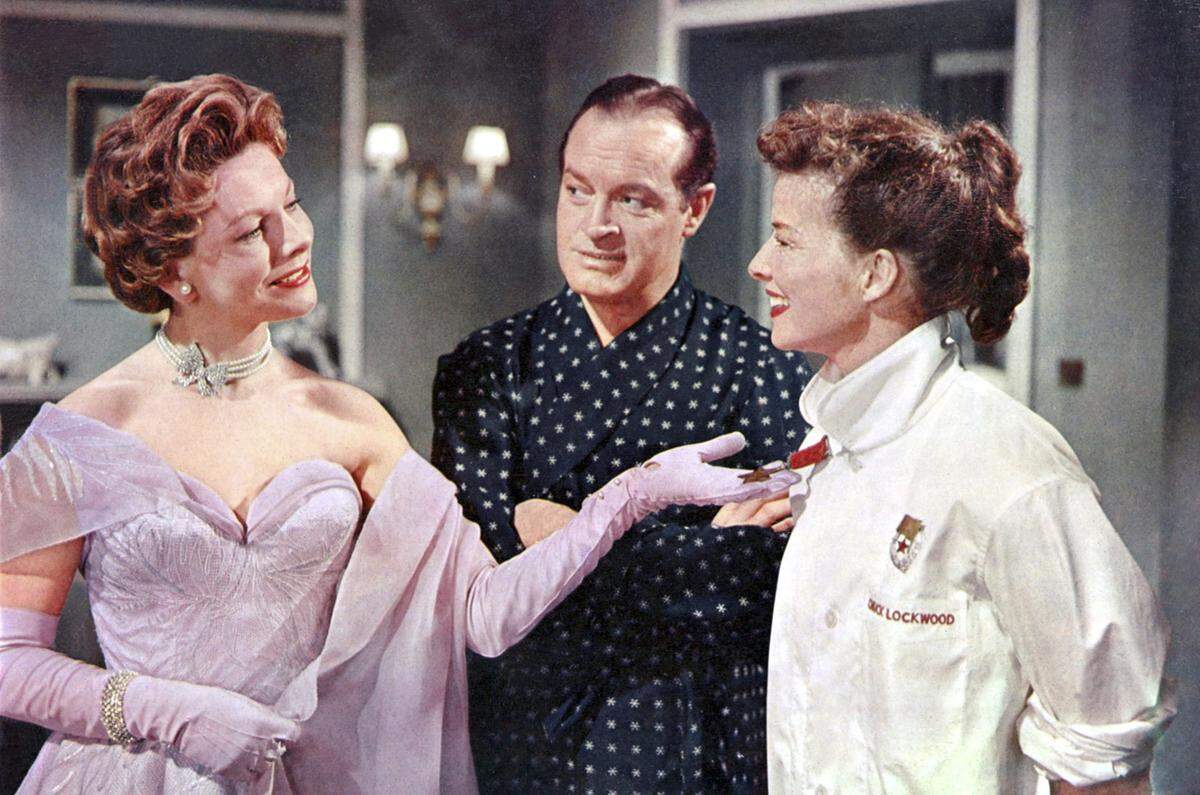
▪ The early 1940s: While passing through town, comedian Bob Hope stops by Carolina Theatre to shake hands with startled people waiting in line to catch one of his “On the Road” movies.
▪ The late 1940s: Actress Katharine Hepburn appears in a show at the theater.
Cinemascope, Elvis and Andy Griffith hit Carolina Theatre
▪ Oct. 29, 1953: A new 40-foot Cinemascope screen is installed.
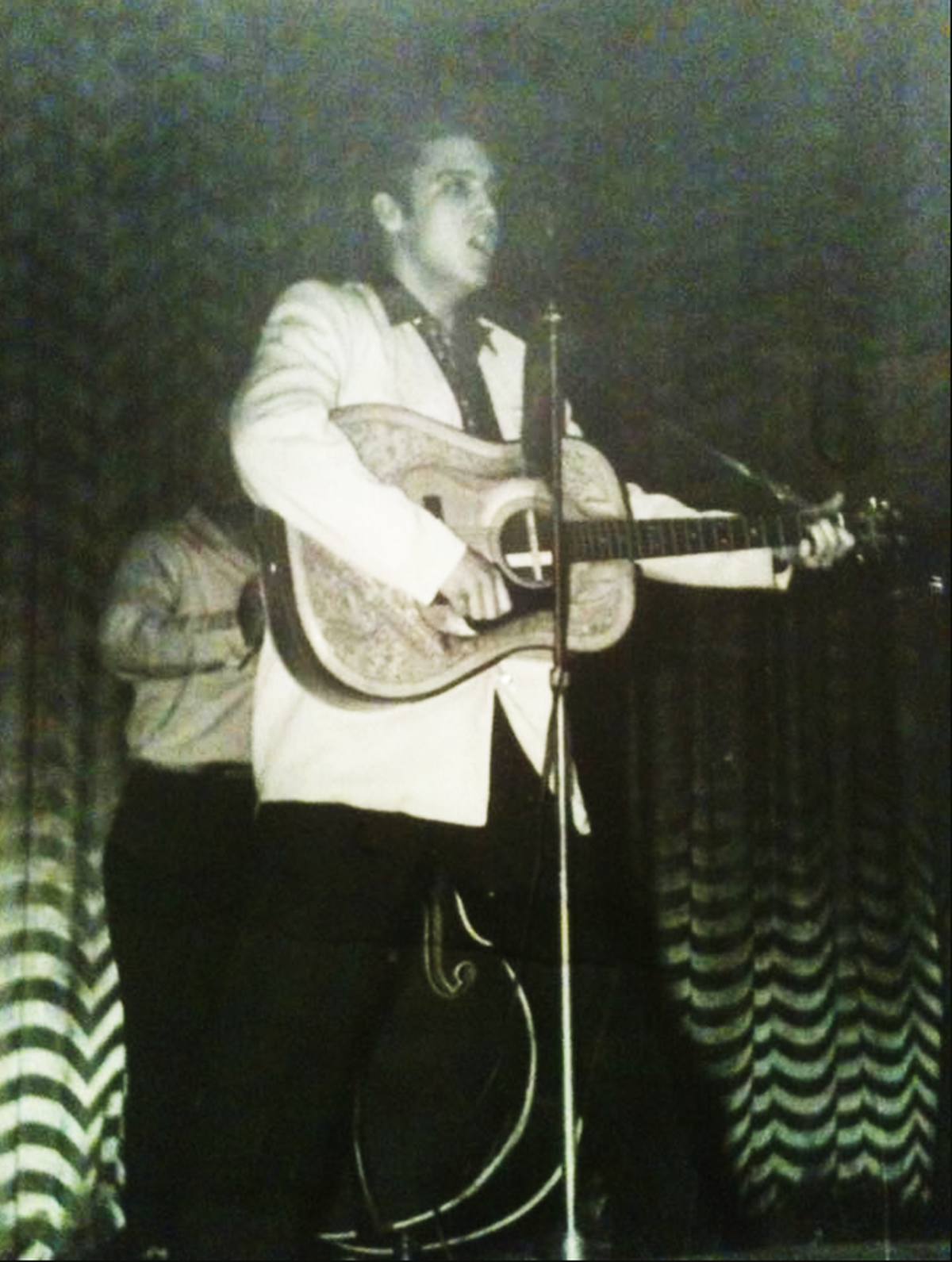
▪ Feb. 10, 1956: A 21-year-old Elvis Presley performs. At the time, he had just begun his meteoric rise. One local ad for the show touted his appearance as “The new personality you’ve heard so much about. Guest star for the past two weeks on The Jackie Gleason show.” He also was the “RCA Victor singing sensation of two top hits, ‘I Forgot to Remember to Forget’ and ‘Mystery Train.’ “
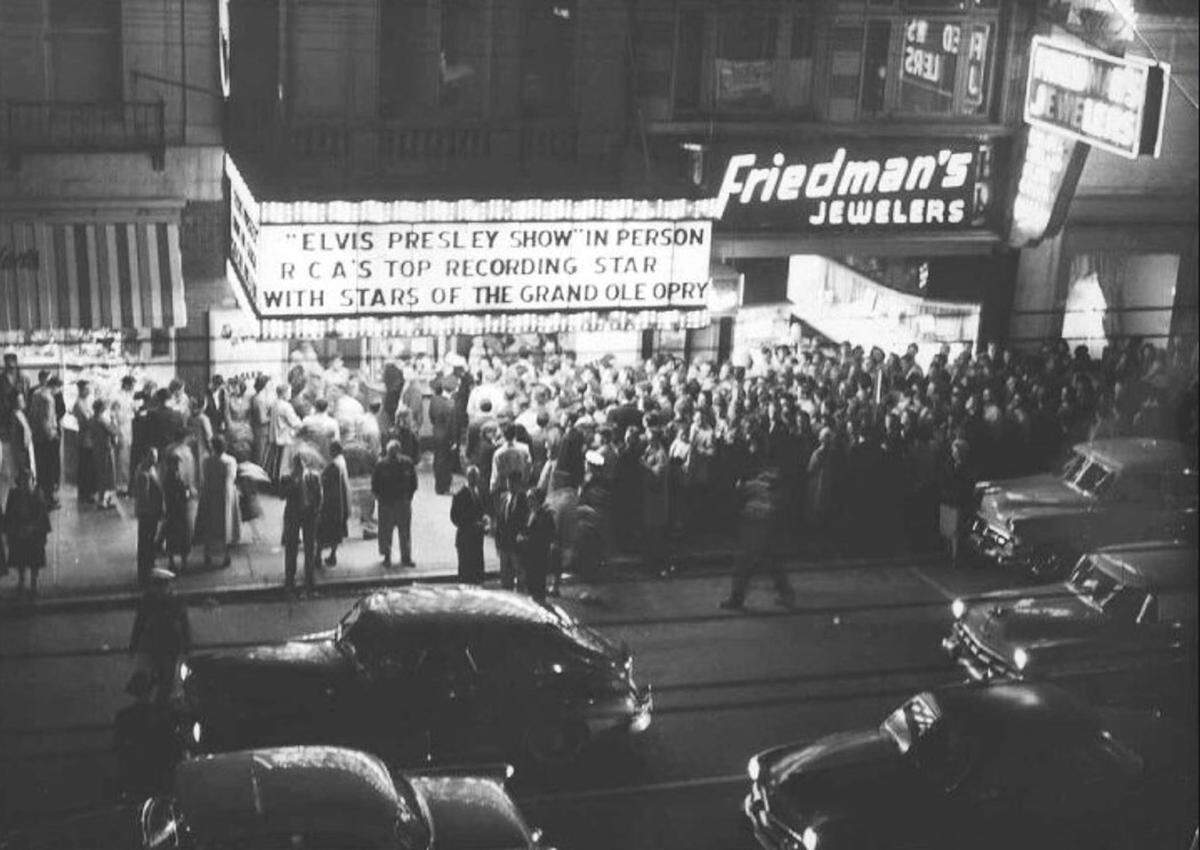
Tickets for the nascent King of Rock n‘ Roll were 85 cents for adults and 50 cents for kids. (That’s roughly $10 for adults and $5 for kids in today’s dollars.)
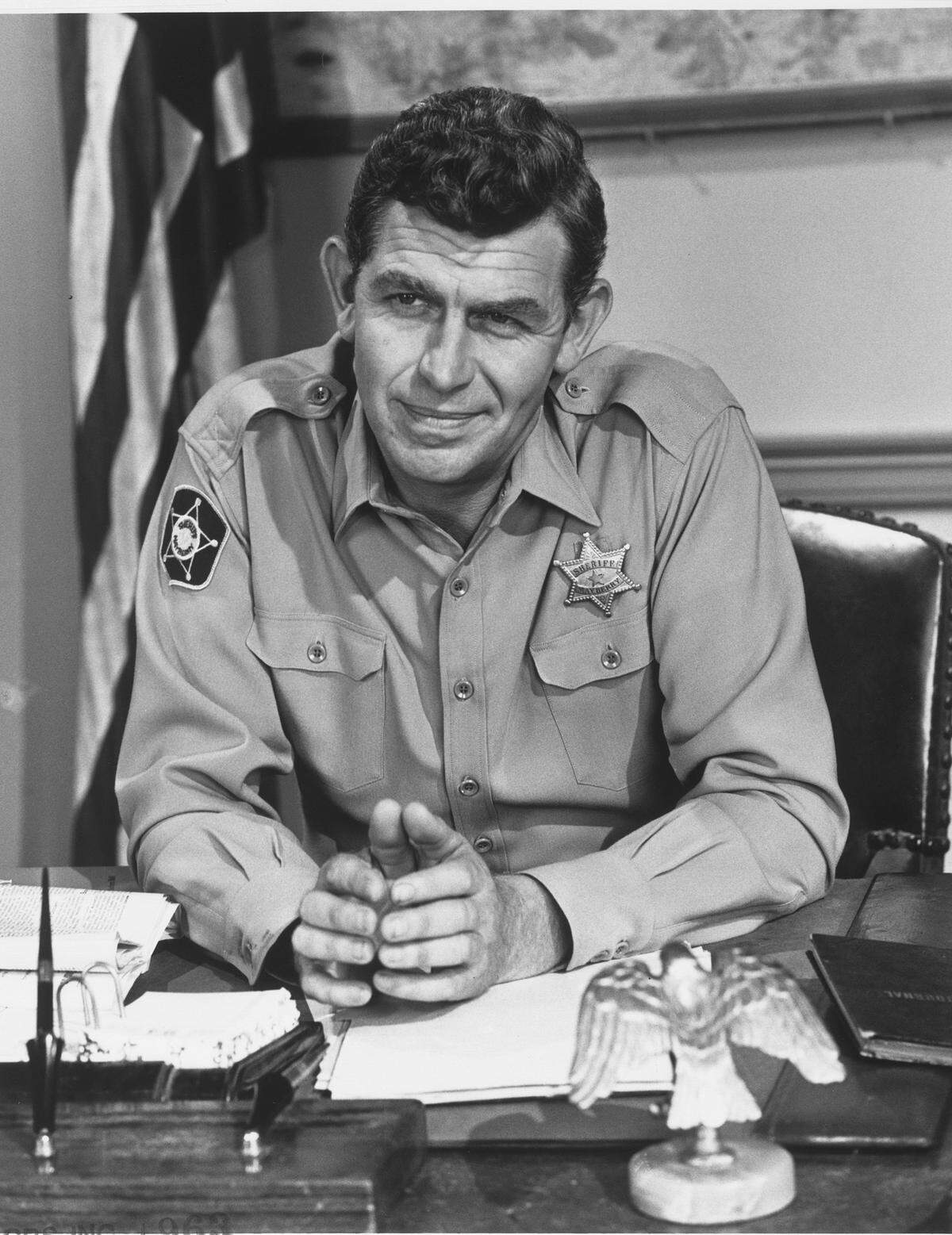
▪ In the 1950s: Andy Griffith performs the theater. A few years later, his eponymous TV show set in a fictionalized version of his N.C. hometown would debut in 1960.
▪ The late 1950s: The theater is unofficially desegregated, according to three Black men that Clayton interviewed. They told him they were allowed to come in by a side entrance and sit in the upper balcony. At the time, white theaters showed first-run films while Black theaters in Charlotte just got second-run ones, Clayton said.
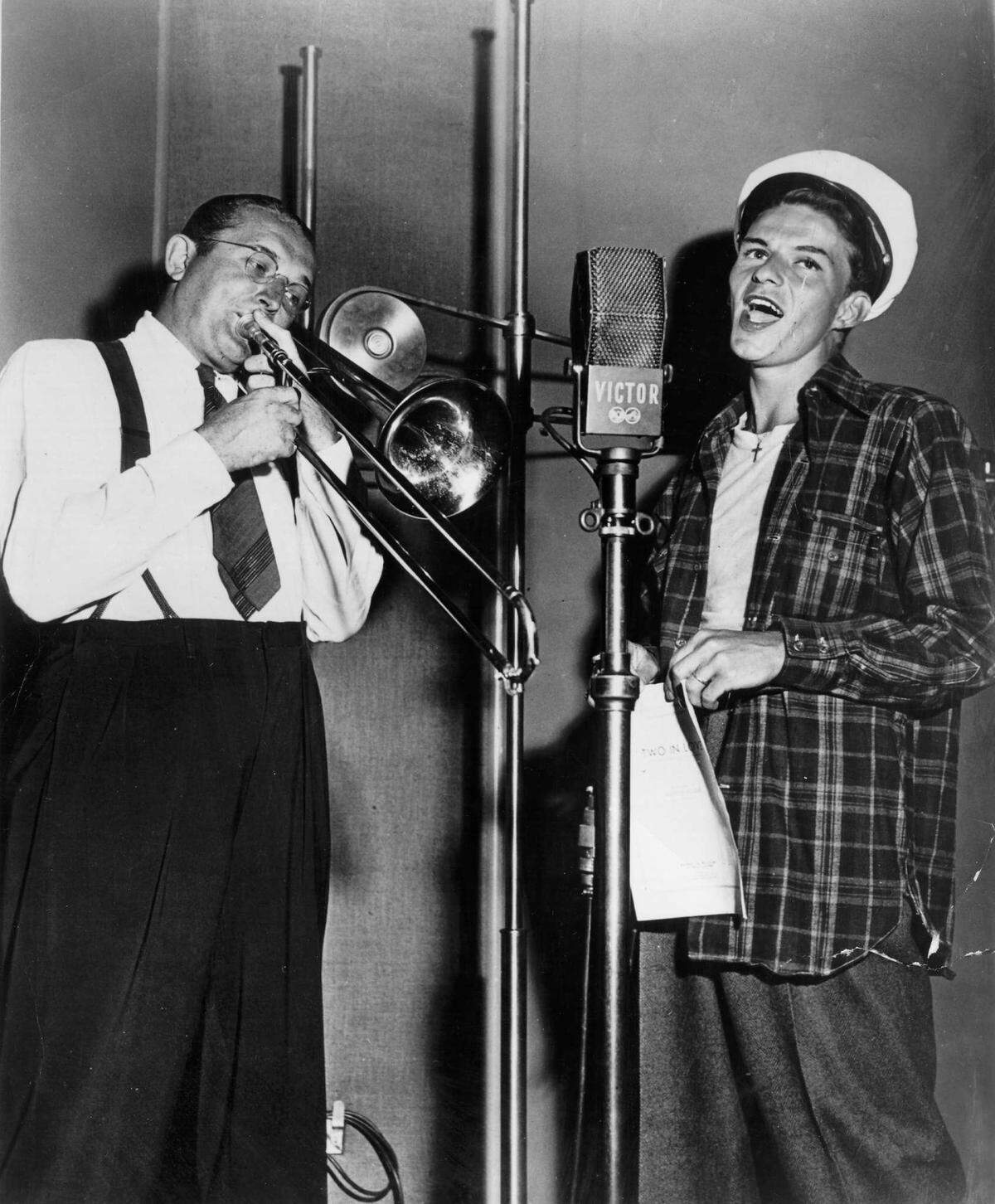
▪ The late 1950s: Frank Sinatra performs at Carolina Theatre. A decade earlier, an early mentor for Sinatra, Big Band leader Tommy Dorsey, also had played the theater.
Desegregation, a record run and the final days
▪ Dec. 22, 1961: “This is Cinerama” premiers, touting its new widescreen format. The Cinerama screen was more than double the size of the Cinemascope one, and encompassed almost the whole front of the theater. The theater organ is removed and curtains hide the historic elements. All of the changes turned the theater into a movies-only facility, Clayton said.
▪ 1963: The theater is officially desegregated. At first, Black patrons were allowed in in small groups, but they had to reserve seats in advance. Within a few weeks, however, the reservation requirement was dropped.
▪ March 31, 1965: The “Sound of Music” begins its record, 79-week run, playing to nearly 400,000 people. (To mark the theater’s 75th anniversary in 2002, the MC for the Spirit Square event was longtime Concord resident Daniel Truhitte. He played Rolf, Liesl’s love interest/Nazi youth villain in the movie.)
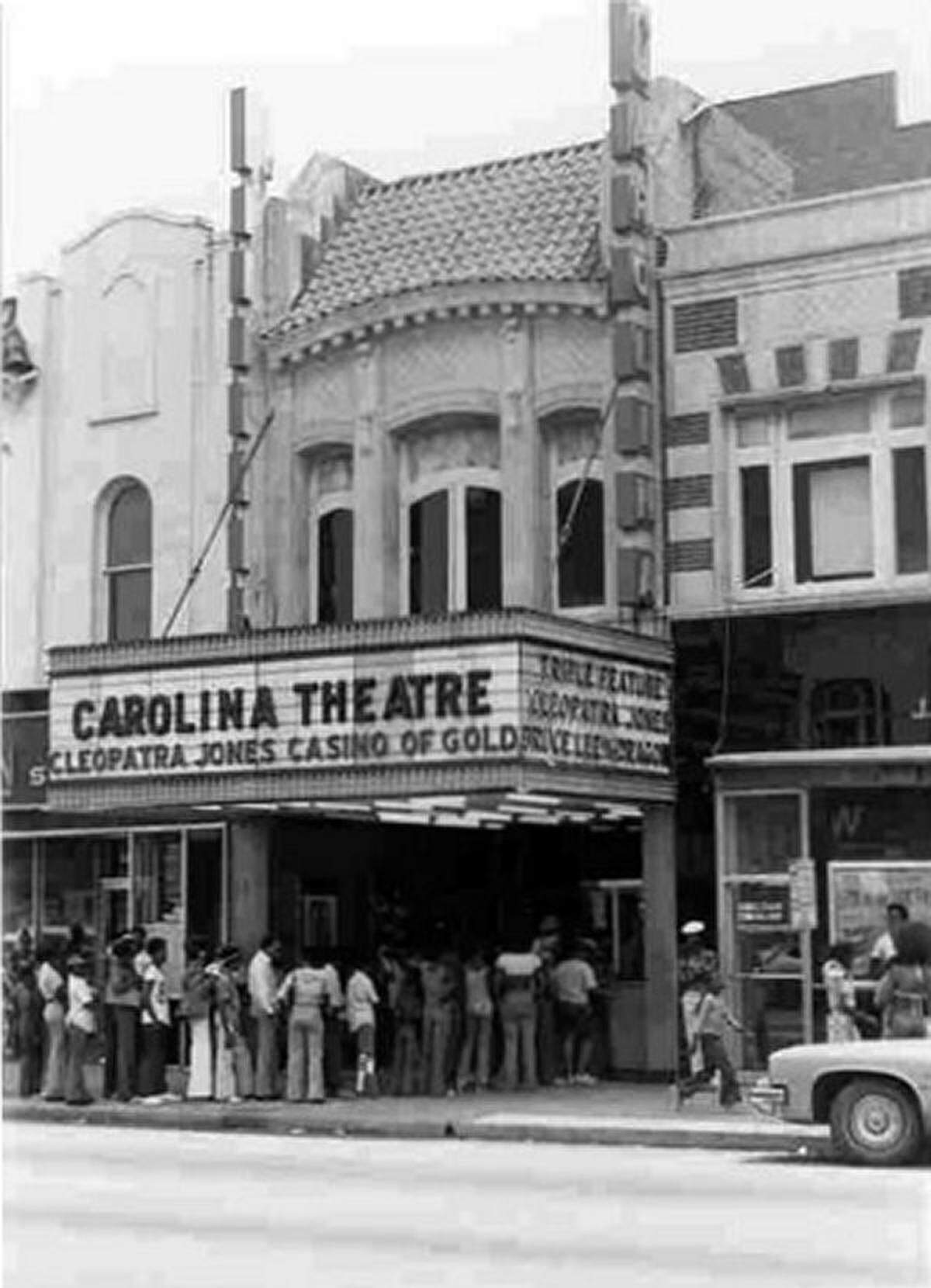
▪ Nov. 27, 1978: Carolina Theatre closes. Its final movie was “Fist of Fury” starring Bruce Lee.
After the ‘70s
▪ Nov. 13, 1980: There’s a fire in the stage area, but the fire curtain protects the theater.
▪ September 1982: The facade is placed on the local historic register.
▪ January 1997: Charlie Clayton forms the Carolina Theatre Preservation Society with a $50,000 grant from the state.
▪ April 2013: The city of Charlotte sells the theater to the Foundation for the Carolinas for $1.
▪ March 24, 2025: Following a number of fits and starts over the years, renovation and restoration that began in 2018 culminates with the reopening of Carolina Theatre.
More arts coverage
Want to see more stories like this? Sign up here for our free, award-winning “Inside Charlotte Arts” newsletter: charlotteobserver.com/newsletters. And you can join our Facebook group, “Inside Charlotte Arts,” by going here: facebook.com/groups/insidecharlottearts.