
Pro-wrestling takes a hit during Covid-19 leaving some local wrestlers out of work
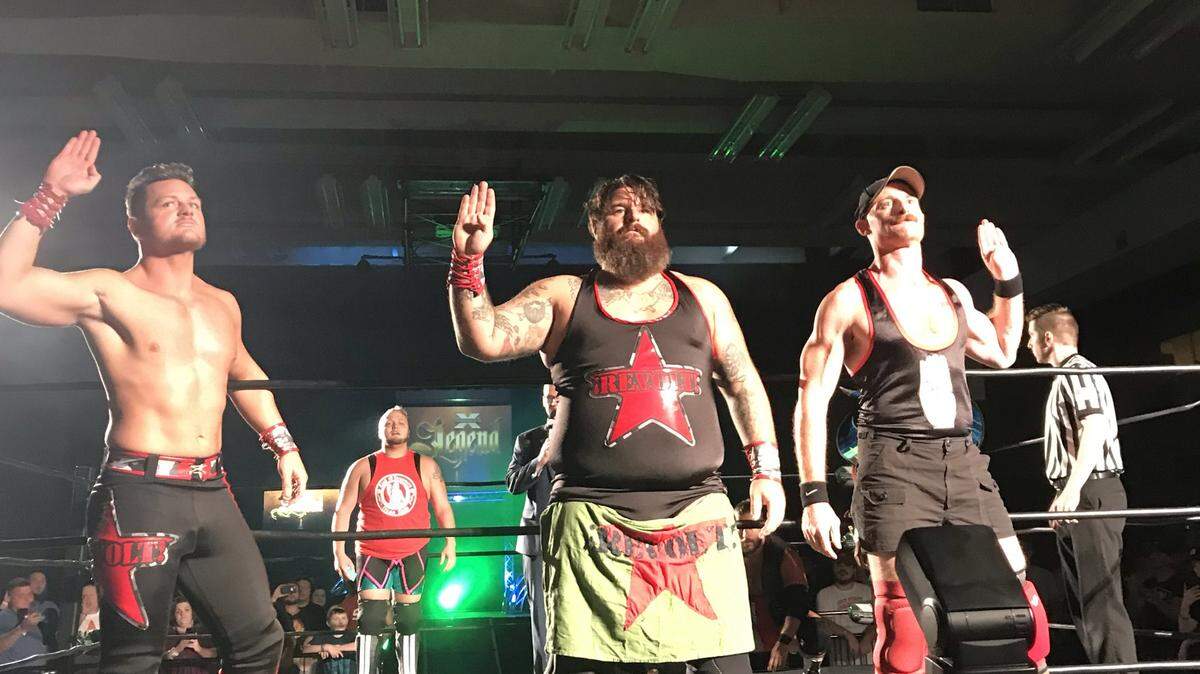
On Wednesday – two days after Florida declared World Wrestling Entertainment an essential business –WWE released over 20 members of its in-ring roster as well as its most-tenured referee Mike Chioda, and several producers. It’s the latest blow to a business that’s dependent on live audiences.
The first weekend in April is supposed to be its biggest event of the year, but in the wake of COVID-19, the disease caused by the new coronavirus, the tens of thousands scheduled to flock to Tampa, Fla., for WWE’s 36th Annual Wrestlemania, watched pre-taped, empty-arena matches from home.
Wrestling’s equivalent to the Super Bowl is not only WWE’s biggest annual event, it’s a money maker for smaller independent promotions, retired wrestlers and nearly anyone connected to the business.
WrestleCon, which takes place in the same city as Wrestlemania each year and features autograph signings, photo opps and live events, is the industry’s version of San Diego’s Comic Con. But now WrestleCon is canceled.
While news of layoffs at WWE reached a global audience via tearful social media posts and tweets, local independent wrestlers have been feeling the heat over COVID-19-related cancellations since mid-March.
Wrestlers who are under contract to larger promotions like WWE and All Elite Wrestling continue to get paid, but independent wrestlers haven’t had that luxury.
“Wrestlemania weekend I had six shows to wrestle and the convention,” says Gastonia native Zane Riley. “When I was on the road, it was weird to have more than one of two weekends off a year. But as someone who didn’t have to take shows (because of their day job) or put time in on the road, I loved it more.
“To not be able to do it that first weekend was cool, but watching shows drop off one by one was devastating.”
Riley has a regular maintenance job at a Charlotte apartment complex to fall back on during quarantine, but many of his friends, including his “How Did This Get Booked” podcast co-host Man Scout Jake Manning, are filing for unemployment.
“With what I expected to make off of merch at WrestleCon, I was eyeing being debt free, aside from my house,” says Manning. “I went from clearing my credits cards, to having to live off of them.”
It’s been a particularly dark time for Manning.
Also a stand-up comedian who books touring comics at Visart Video, Evening Muse and Cabarrus Brewing, he simultaneously watched his wrestling bookings dry up while breaking similar news to touring comics. In the meantime, a close friend died and his girlfriend broke up with him.
“Wrestling is my coping mechanism,” explains Manning. “Emotionally it’s been hard for me. When something bad happens, I focus on wrestling and I don’t have that anymore.”
Having watched merch sales take a hit during the 2008 recession, he’s skeptical about how the pandemic will affect live entertainment beyond bookings.
“When that banking crisis happened the idea of $20 being disposable income went away,” he says. The same audience in the same geographic location who would pay $20 for a t-shirt the year before, were no longer willing to fork over the cash. “Even in 2013-2014, they’d still say you know we’re in a recession?”
His peers are taking a more optimistic look toward the post-coronavirus future. Riley and longtime tag team partner Caleb Konley built home gyms predominantly with exercise equipment picked up from Craigslist when closures were announced.
‘It can’t last forever’
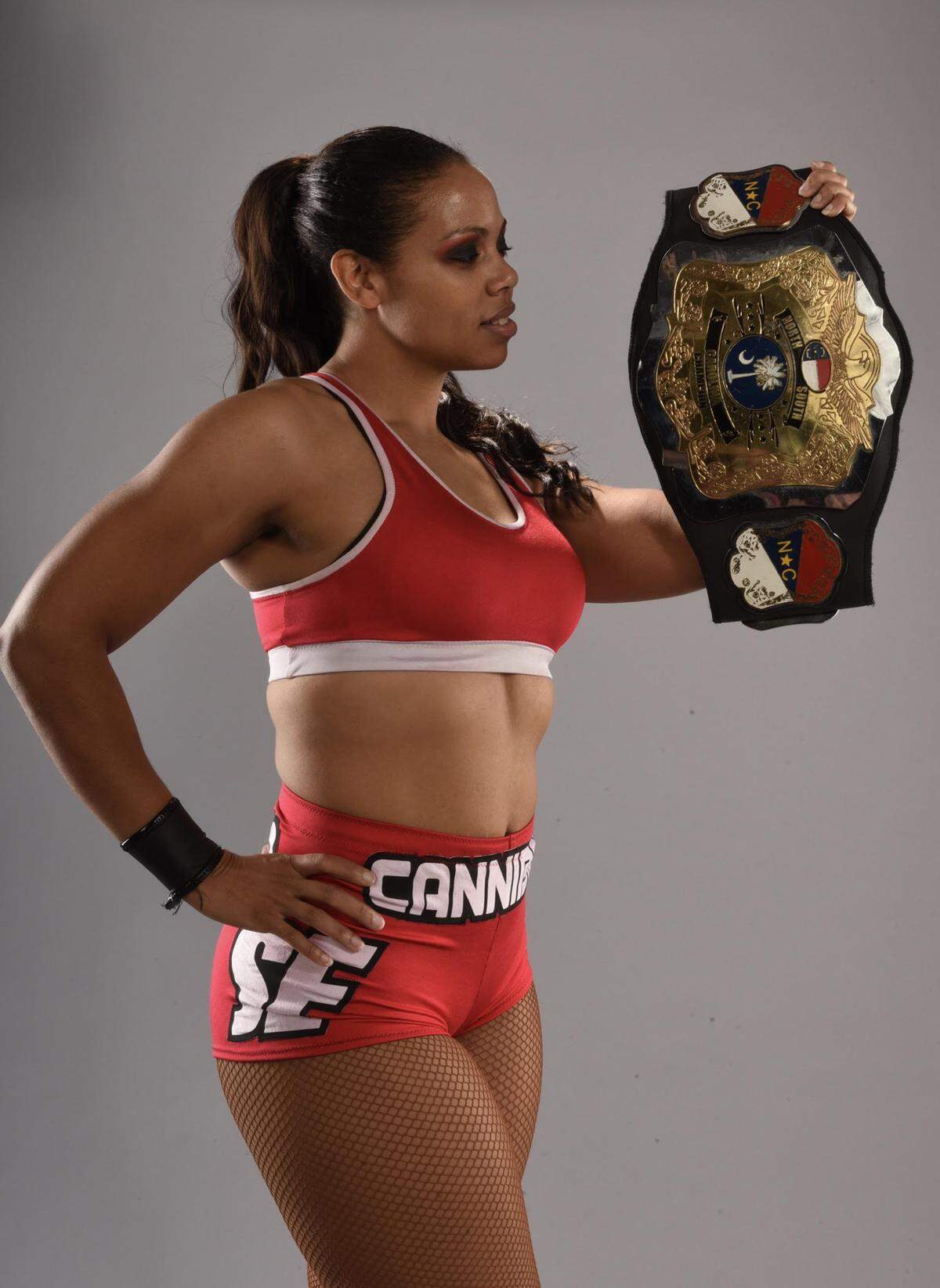
Fellow wrestler Savannah Evans worked alongside Manning and Konley at High Spots, the East Charlotte-based online store and wrestling school that’s been shuttered during the shelter in place order.
Evans says she’s had so much free time she’s toyed with the idea of adopting a dog. But she’s hopeful work will pick up.
“In general, I take things day by day and look at things as positively as possible,” says Evans. “I tell myself this will pass. It can’t last forever. At least by the end of the year everyone should have their regular Friday, Saturday, Sunday schedule.”
She doesn’t expect things to get back to normal quickly though.
“These companies took a big hit,” she adds. “It’s going to take them a while to get back to normal.”
Last week Konley, worked his first matches in over a month, taping episodes of Impact Wrestling in Nashville.
“You had to stay six feet apart and instead of (the talent) being there the whole time, they had it split into hourly blocks. They’re taking precautions. They mop and Lysol the ring between matches,” explains Konley, who also appears on National Wrestling Alliance’s Atlanta-based “Powerrr” series, which has shut down production.
“The lead-up to the wrestling was awkward,” Konley says. “Knowing that no one was there before you walk out is super awkward. You have a ring entrance when you’re supposed to engage with the crowd. Once the bell rings the adrenaline comes back and it’s not as weird as you’d think. But it’s harder to put in the effort when there is no crowd cheering you on.”
While Riley has enjoyed watching the closed set, crowd-free matches, Manning worries it could become the norm.
“If that’s the future, I’m not interested,” he says, acknowledging that fans could end up hungrier for live entertainment after the quarantine is lifted.
“It could be an explosion of live events,” he says. “Or it could be a near death blow.”
This story was originally published April 16, 2020 at 2:36 PM.