
The Rock Hill/Charlotte commute: What does it do to your car? How to protect it?
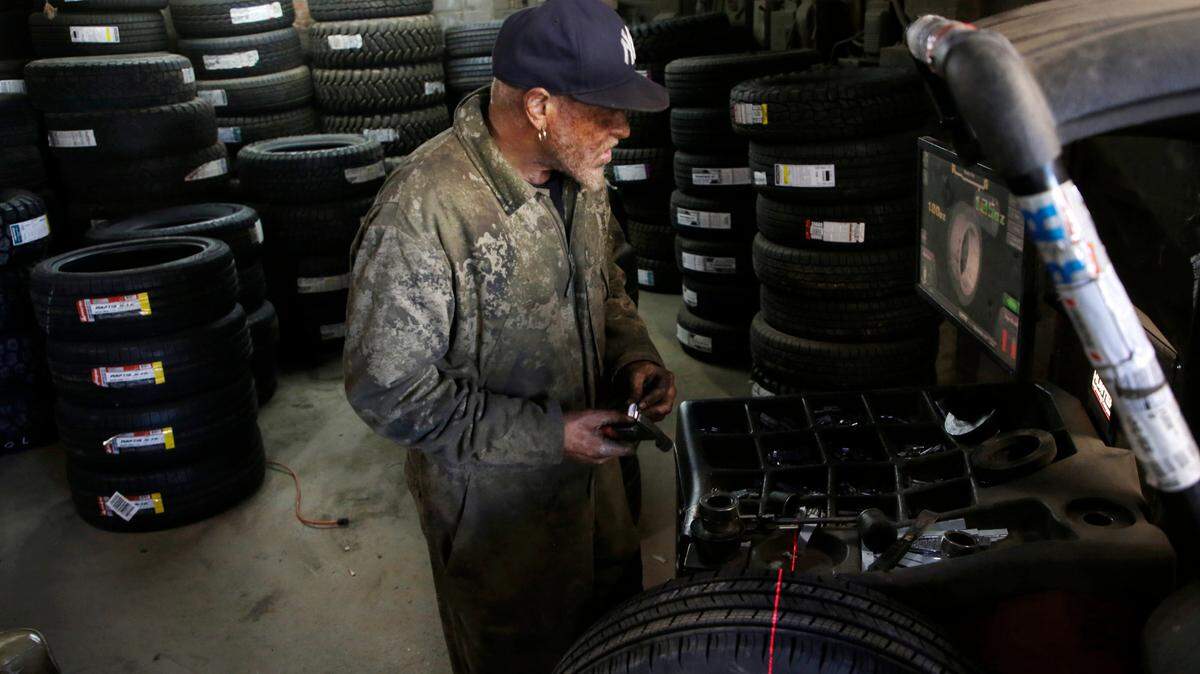
Whether it’s north toward Charlotte or south toward Chester, commuters log lots of miles -- and wear-and-tear on their cars.
Jamey Abercrombie, head of the automotive technology department at York Technical College in Rock Hill, S.C., knows a lot about cars. His experience has given him more than enough information on how to care for vehicles in this region.
Starting and stopping
It all starts with the brakes, he says.
Some drivers don’t rely heavily on their brakes during their morning and afternoon drives. Others, however, are not so fortunate as they navigate stop-and-start traffic.
Drivers who constantly press the brake pedals often have to be more aware of wear on their cars.
“Every time you touch that brake pedal, it wears a little bit on the brake pads,” Abercrombie said.
“And in most cars, the front brakes wear out a lot faster than the back ones because when you hit the brakes, all the weight transfers to the front.
“Cars are engineered to where the front does about 70% of the stopping if it’s a rear-wheel drive car. If it’s a front-wheel drive, the front brakes do about 80% of the stopping.”
The frequency of changing break pads also differs, based on use and car type.
Abercrombie said most drivers can get 80,000-100,000 miles on a set of front brake pads. Even the people who are more aggressive on their brake pedal can go at least 50,000 miles.
He says, if you check the front brakes every 80,000-100,000 miles, you can check the back breaks every 125,000-150,000 miles.
However, Abercrombie said here’s the simplest way to look at it:
The more you use your brakes, the more often you have to check and/or replace the brake pads. As Abercrombie likes to think of it, “every time you touch a pedal in the car, it costs you money.”
The easiest way to tell your brake pads need to be replaced is if you hear a screeching or squealing noise every time you hit the brakes.
Checking the oil
Drivers who avoid heavy traffic don’t have to get their oil checked, or changed, as often as commuters.
A car moving consistently at a steady pace, even at a high speed, keeps the engine lubricated. Acceleration, however, is where most of the strain on an engine comes, Abercrombie said.
If you find yourself constantly speeding up and slowing down, you’ll also need to constantly get your oil changed.
“If you got a car where someone drives a lot of highway miles or doesn’t have to deal with a lot of traffic or vary a lot in speed, they could go 8,000 to 10,000 miles before an oil change,” Abercrombie said. “But if you have someone who’s driving in traffic a lot, they may have to change their oil every 5,000 miles. Maybe as early as every 3,000 miles because of how serious it is.”
Now, there are several ways to tell whether your oil needs to be changed. The most obvious is when your check engine or oil change light turns on. Other ways to tell is an unusual knocking sound from the engine or if there’s the smell of oil, or something burning, inside the car.
Turning wears out tires
Constant driving isn’t what wears out tires.
If most of your commute is straight drives on the highway, you’re not putting that much wear on your tires, even if you’re in stop-and-start traffic.
Abercrombie said, most tire wear comes from turning.
A car’s tires would wear out much quicker driving around uptown Charlotte than driving on the interstates because the constant right and left turns increase friction. And friction erodes tire thread.
Another key contributor to tire wear is poor alignment.
With bumps and potholes a somewhat common occurrence, the effects of hitting too many of them can be costly. Bumps and potholes upset tire balance and alignment.
“When the alignment gets off, and instead of the tire rolling true, it’s kinda dragging itself down the road, that eats the tires run really fast,” Abercrombie said. “That’s another thing on maintenance you need to check every so often because the roads will do that to you.”
Abercrombie recommends getting your tire alignment checked every one to two years -- even if you’re not noticing any problems. If you are noticing an issue, get it checked immediately. Ignoring balance and alignment could lead to your tires wearing out faster.
If your alignment is off, you’ll notice your tires wearing down at uneven and rapid rates. Another thing you could notice is your steering wheel feeling turned even though you’re driving straight.
What about the weather?
Cold conditions don’t really affect cars too much.
However, it can impact your car’s battery.
Abercrombie said you’re more likely to see battery failure in the cold because it’s a more draining environment on the battery. Most batteries rely on heat to generate power. Cold weather slows down reactions and makes a battery weaker.
Maintenance, maintenance, maintenance!
Abercrombie said most of the problems that arise in cars in this region are linked to improper maintenance.
He said the most important key to caring for cars is maintenance -- from getting your oil changed regularly to getting your tires rotated.
“When I first started working on cars a long time ago, if you got 100,000 miles out of a car, it was completely shot,” Abercrombie said. “It was totally worn out.
“Well, it’s nothing to get 250,000 miles out of a car now if you (check) the maintenance (records). The cars are a lot better now; they last a lot longer. But you got to keep working on them. You can’t just put gas in them and drive.”
This story was originally published January 31, 2023 at 11:41 AM with the headline "The Rock Hill/Charlotte commute: What does it do to your car? How to protect it?."