Davidson prof had a plan to move parents to a safer home in Turkey. Then disaster struck.
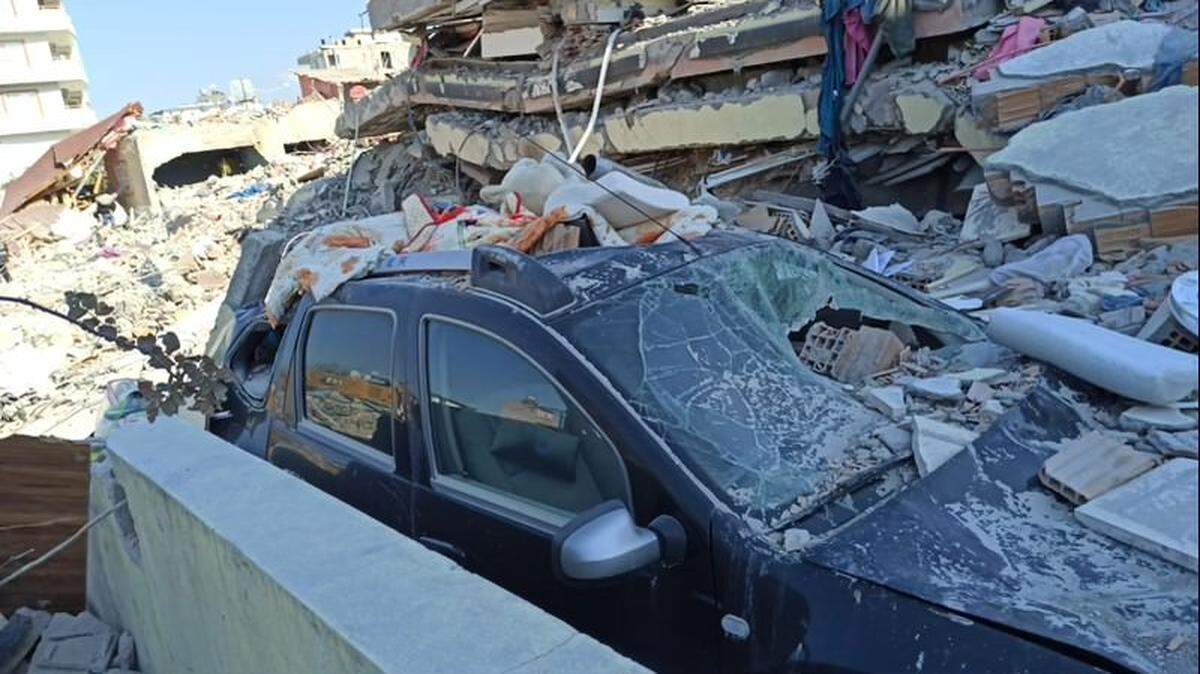
Yener Ulus was plenty far from his hometown of Arsuz in Turkey’s Hatay province — more than 6,000 miles away — when last week’s 7.8-magnitude earthquake gave it a massively destructive shaking.
And yet, viscerally, the Davidson College professor felt a uniquely violent jolt of his own the moment he learned of the disaster.
To some degree, it’s because Ulus has some sense of what this kind of devastation can look like; as a student at Dicle University in Diyarbakır, Turkey, in 2011, he served as a volunteer leader on a search and rescue team during the aftermath of earthquakes that killed more than 600 people near the city of Van in the eastern part of the country.
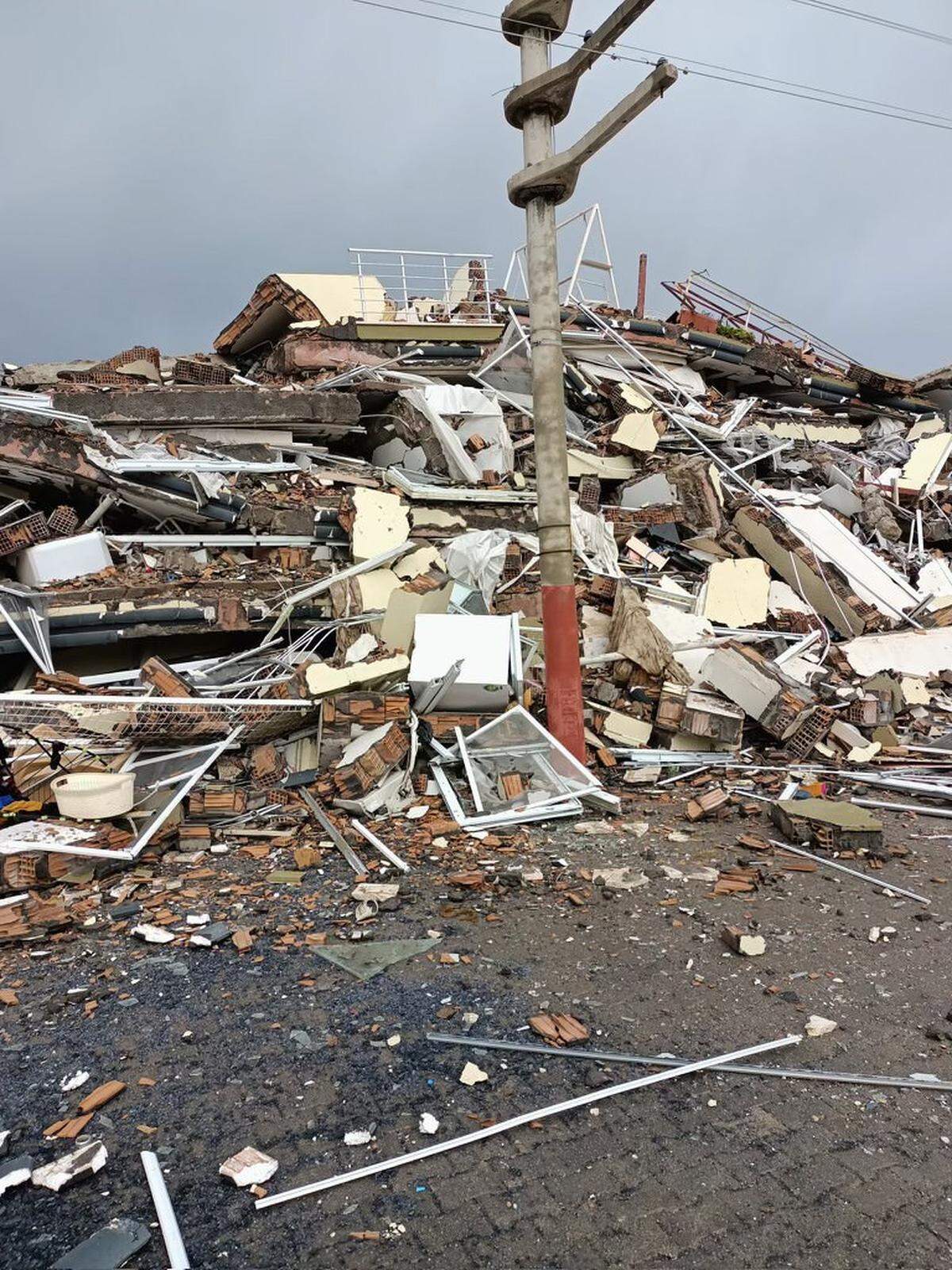
But this time, there was much more at stake for him personally: His parents were living in an apartment the family owns in Arsuz, and when the quake hit, before they could escape, their building was reduced to a huge pile of rubble.
It was literally one of Ulus’s greatest current fears come to life.
Barely a month earlier, while the 34-year-old environmental health scientist and biogeochemist was visiting his parents, he helped them list their apartment for sale “so that we can have another place just one floor, so that it is safe for earthquakes. I posted it online,” he said. He pauses, and lets out a heavy sigh.
“But I couldn’t sell it in time.”
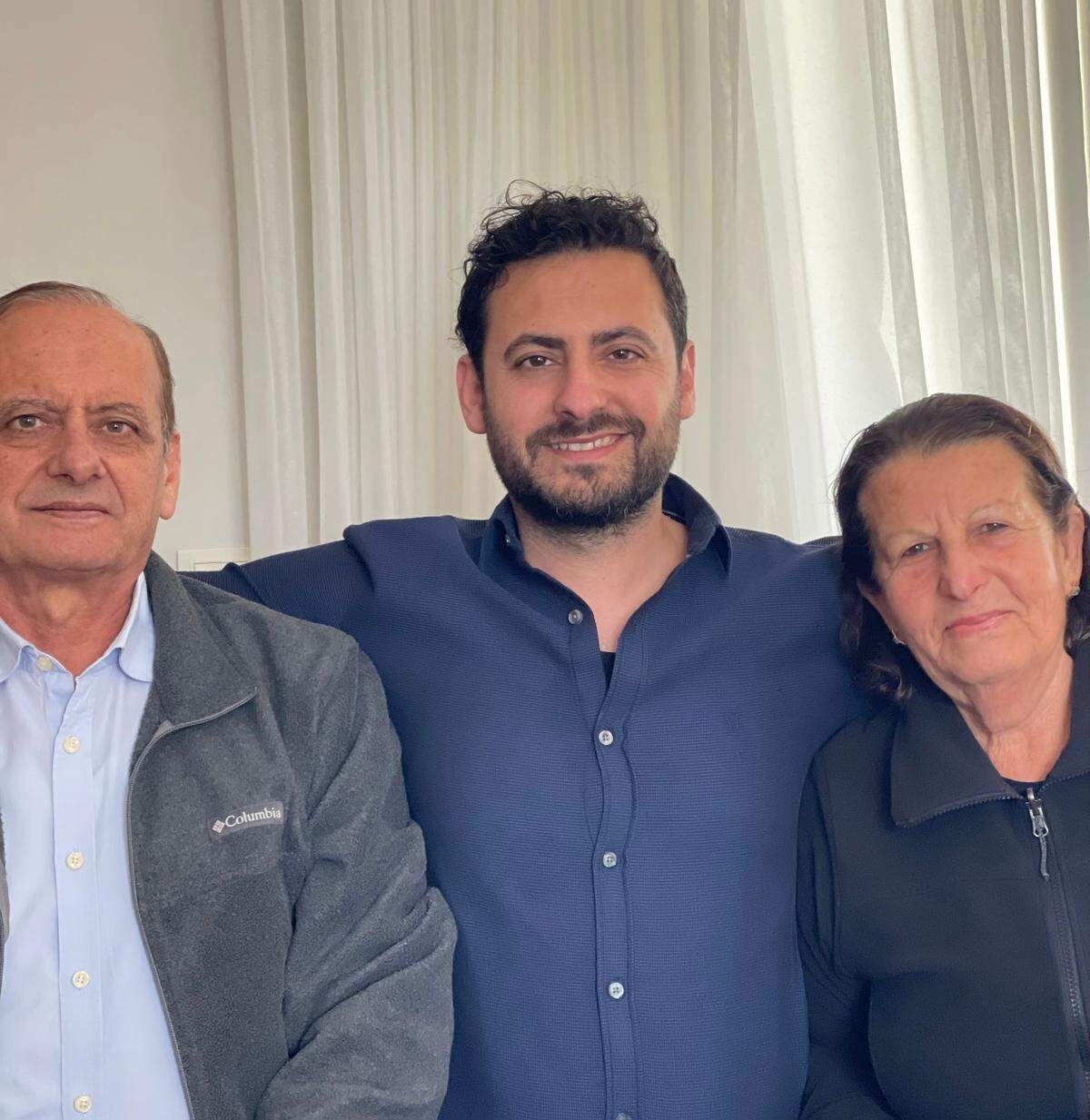
Somewhat miraculously, Ulus’s parents — Memet and Fatma — managed to survive, and for that he is incredibly grateful. At the same time, he’s grieving the fact that the majority of their neighbors in the building were among the tens of thousands who did not, and worried about what the future looks like for his parents. For the rest of his family, and his friends. For the whole country. And for the entire region, including northern Syria, devastated by the earthquake.
We spoke to Ulus by phone recently from his apartment near Davidson’s campus, where he started working last summer as a visiting assistant professor of environmental studies.
Here is what he shared about his family’s harrowing experience, in his own words, lightly edited for clarity and brevity.
‘I don’t usually cry, but I have cried many times this week’
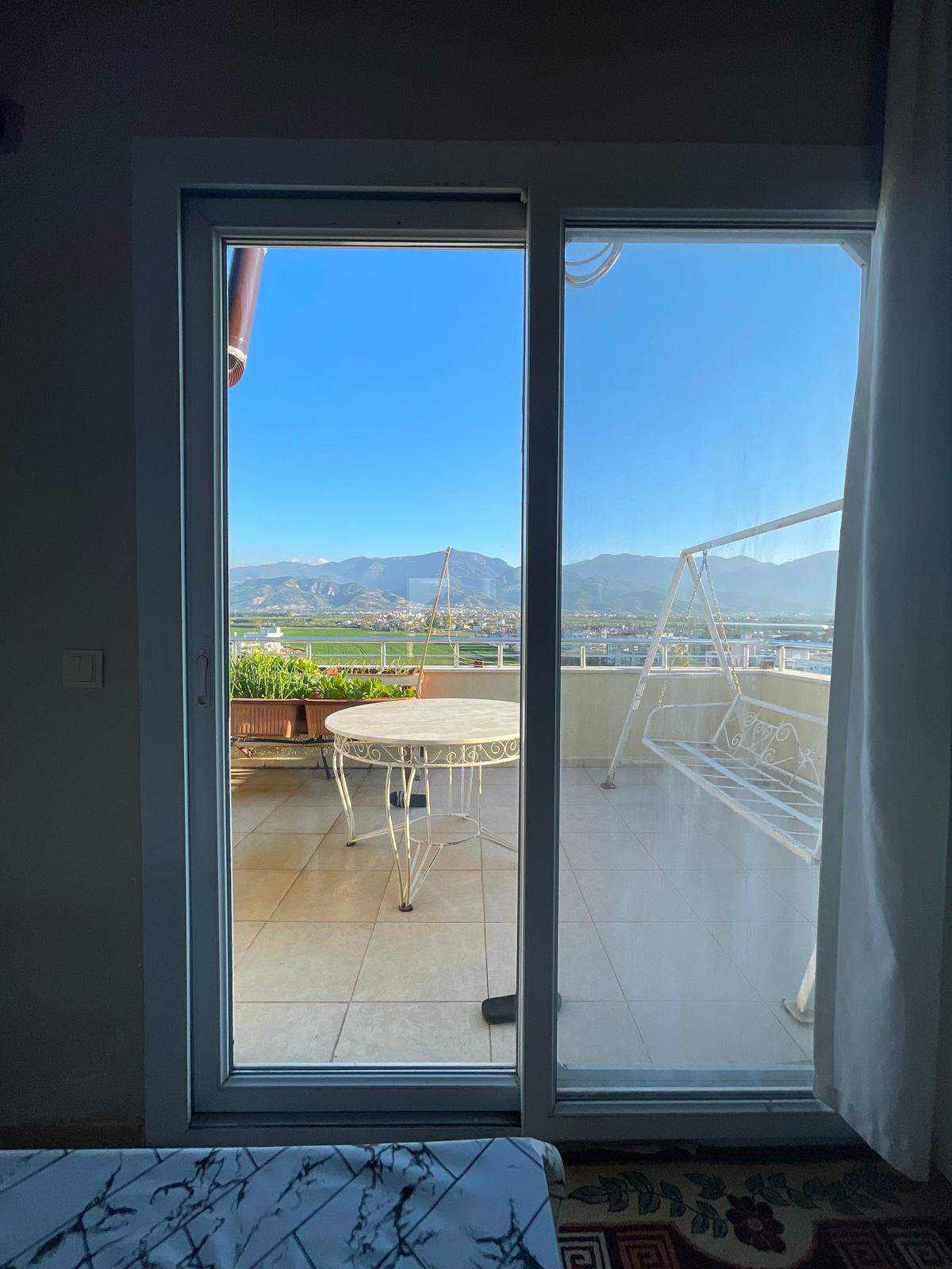
We bought this house just five years ago. It was a brand-new house in a brand-new building, built in late 2017 — a four-floor apartment complex that had eight units. In each unit there was a family. We had the top floor of the apartment in Arsuz, which is a beautiful town right next to the Mediterranean Sea. You can walk to the Mediterranean Sea in five minutes.
I was in my office working at around 8 o’clock last Sunday when one of my friends told me about the earthquake. I called my parents, but they didn’t answer. Then I called my brother. He told me that he was going to try to contact them, but at that time there was no electricity.
I received a picture of my home, and you could see the whole building had collapsed. It was completely gone. It was so scary, because at that point I didn’t know if my parents were alive or not. Some of my relatives called me and told me that my parents were good. But I didn’t believe it. I said, “I need to call them or talk to them first, then I will believe it.” Finally, I heard their voices in a voice message through WhatsApp, for 20 seconds.
For the next 24 hours I couldn’t contact them because the phones weren’t working. But the next day I was able to FaceTime with them, and I asked them, “What happened?” My father said he woke up to the earthquake happening, and then he woke my mother up. They went somewhere safe in the same room — into the triangle of life (a structural feature designed to try to provide safety during earthquakes) — and got into their position. In a few seconds, everything was down. Luckily, they had some space because of the triangle of life. And they waited. They were able to be saved by neighbors and my uncle after three hours being under the rubble. They dug out my parents with their bare hands.
I asked, “What did you do for three hours there?” They said, “We just prayed.”
I think a reason they survived was being on the top floor. That’s also why it was easier to extract my parents after a few hours. About 15 people died. A man and his wife, who was pregnant, and their kids. Another family who had guests visiting them at the time. The only people in the building who survived were my mother, father, a woman with her two kids and another man.
I know many people who died. Childhood friends. Their kids. People that I was with in Turkey last month. People from our apartment building, my friends. I drank coffee with a woman last month, and now she’s not alive. Her husband is not alive. I don’t even know what to feel, how to feel now. Sometimes I think this is not even happening.
I really wanted to go and be with my family, and actually the very first night I was checking the tickets and everything. I was gonna go. But when I talked with my mom, she said, “Please do not come.” And my brother also told me, “Do not come. If we need you, we will ask you. But now just wait.” But I wish I was there. I really wish I was there.
I live here alone by myself and I’m just thinking about them all the time. And I feel guilty. I have access to hot water, I have access to heat, I have access to food. So, I feel guilty. Because people there, they don’t have food. They are staying outside. And so many are dead. I don’t usually cry, but I cried many times this week.
My parents are safe. They are in Istanbul, where my brother lives. My father is currently in a hospital. He has a cracked spine and broken ribs, but he is otherwise doing well. My mom’s face was kind of swollen, but she wasn’t hospitalized. Again, this is nothing compared to other people. They are very grateful for everything. It’s been a miracle for us, for my parents to be saved.
We really need your help. So many people are still living outside. Earthquake victims have so many needs right now. Please emphasize how important it is to donate even $5, as all the people of Turkey are really in need and suffering.
Two of the most reputable organizations accepting donations for relief efforts in Turkey are Ahbap and UNICEF.
This story was originally published February 12, 2023 at 12:28 PM.