A ‘Blood Moon’ Is Coming to the U.S. in March — and the Next Good One Isn’t Until 2029
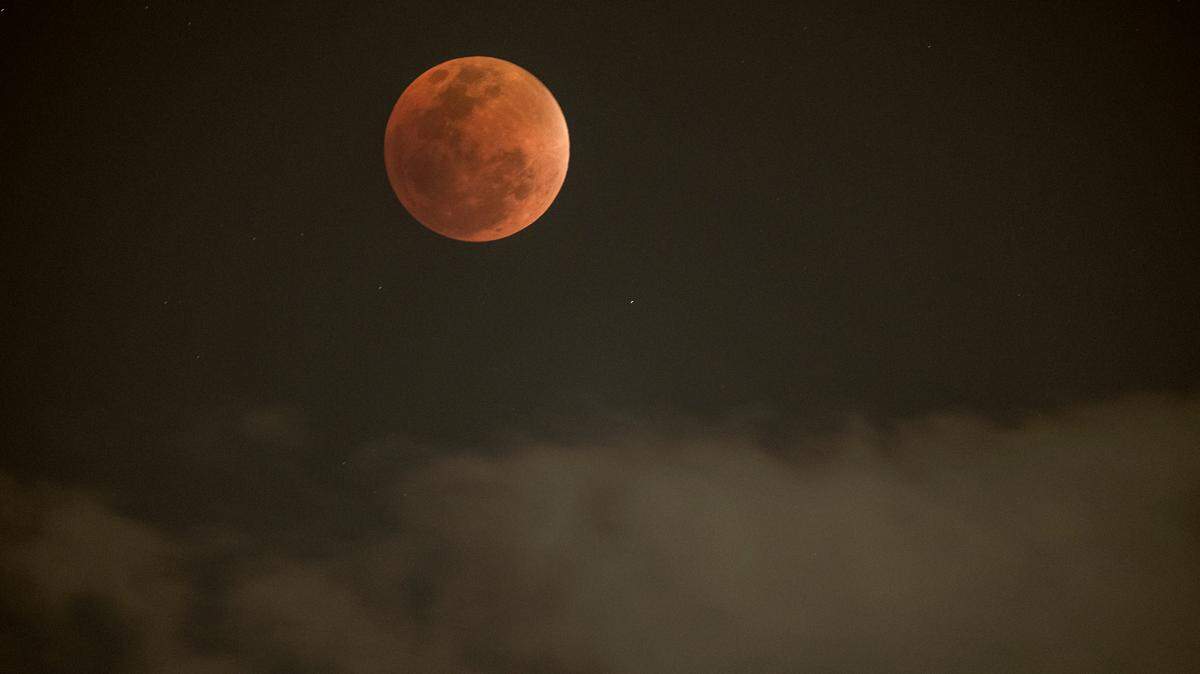
A total lunar eclipse will cross the skies over the contiguous United States on Tuesday, March 3, turning the Moon a deep reddish color in what’s commonly called a “blood moon.”
No special eye protection is required to watch.
This will be the third total lunar eclipse in the past year. It could also be your last chance for a long time to catch one with good visibility from the U.S. Here’s what you need to know.
What Causes a ‘Blood Moon’?
A total lunar eclipse happens when the Earth passes directly between the Sun and the Moon, casting its full shadow — known as the umbra — across the entire lunar surface.
During this alignment, the Moon often turns a reddish or coppery color, earning the nickname “blood moon.”
That color shift comes from sunlight filtering through Earth’s atmosphere.
Short-wavelength colors like blue and green scatter in the air. Longer wavelengths — red and orange — continue through the atmosphere and shine onto the Moon, producing that rust-colored glow.
How the Total Lunar Eclipse Unfolds
Earth’s shadow has two distinct parts. The penumbral shadow is the outer, lighter portion, which only partially blocks sunlight. The umbra is the inner, darker shadow, where sunlight is fully blocked from reaching the Moon’s surface.
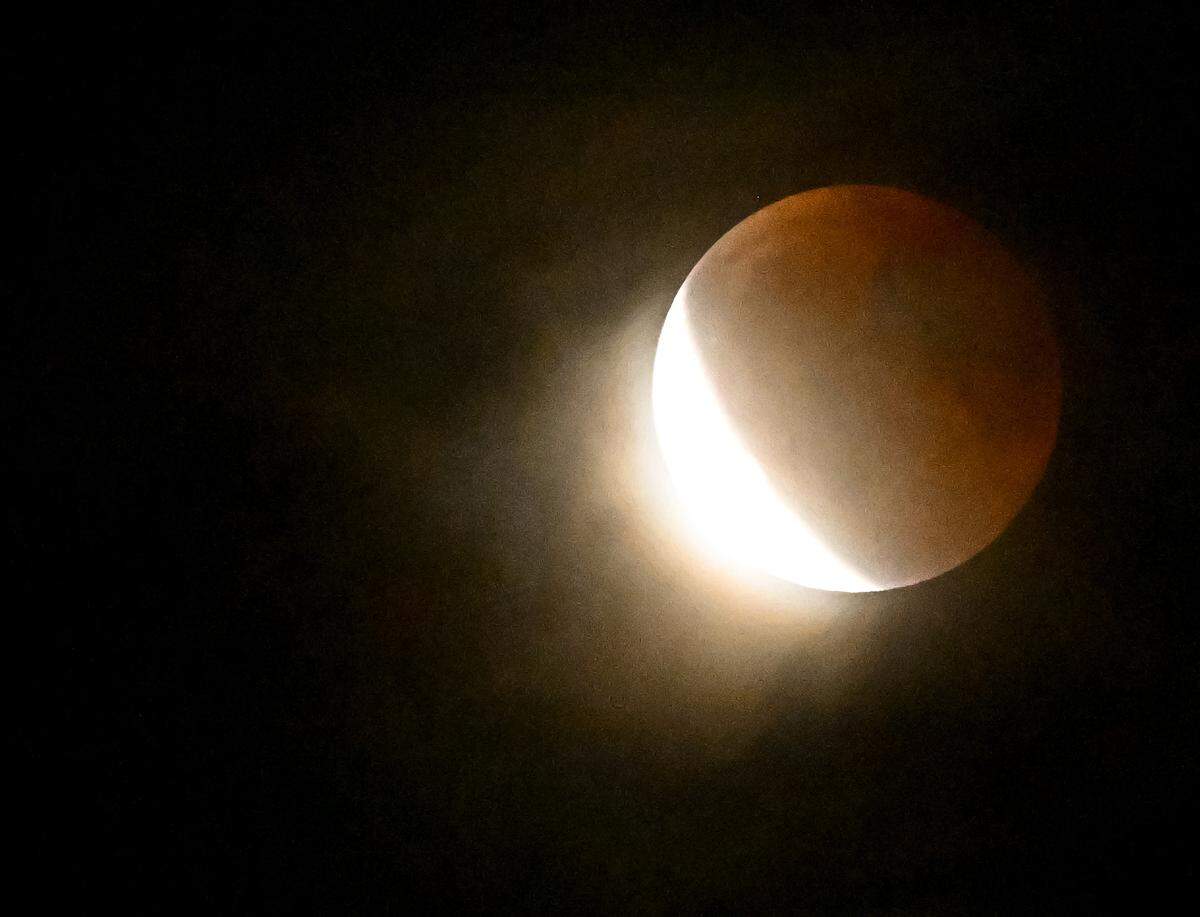
As the eclipse progresses, the Moon passes through these shadow zones in sequence: penumbral, partial, totality — then the phases reverse as the Moon exits Earth’s shadow.
Total Lunar Eclipse Timeline for March 3
All times are in Eastern Standard Time.
The penumbral eclipse begins at 3:43 a.m. EST, when the Moon makes contact with the outer part of Earth’s shadow. This phase lasts 1 hour, 6 minutes. You won’t see much at first, but the Moon will begin to dim slightly.
The initial partial eclipse starts at 4:49 a.m. EST. This is when the Moon enters the umbra, and the change becomes more noticeable. This phase lasts 1 hour, 14 minutes as the deeper shadow creeps across the lunar face.
Totality — the main event — begins at 6:03 a.m. EST and lasts 59 minutes. The greatest eclipse occurs at 6:33 a.m. EST. During this phase, the entire Moon will be covered by Earth’s deepest shadow and appear reddish. This is the “blood moon” at full display.
The second partial eclipse begins at 7:02 a.m. EST as the Moon gradually moves out of the umbra. This lasts 1 hour, 15 minutes.
The second penumbral eclipse runs from 8:17 a.m. EST to 9:23 a.m. EST, and once it ends, the full Moon will be fully illuminated by direct sunlight again.
Where You Can See the Blood Moon
Visibility varies across the country. The western U.S. will see more of the event, while eastern areas may see less depending on timing and daylight.
If you live on the East Coast, the later phases — particularly the second partial and penumbral stages — may coincide with sunrise, limiting what you can observe.
Residents in the western half of the country are positioned to catch more of the eclipse under darker skies.
How to Watch the Total Lunar Eclipse Safely
Unlike a solar eclipse, you won’t need eye protection. The Moon’s reflected light during an eclipse is far too dim to pose any risk to your eyes.
The best way to view it is through binoculars, preferably ones marked 7x50 or 10x50.
Those specifications refer to magnification power and lens diameter. They can help bring the Moon’s reddish surface and subtle details into sharper focus during totality.
This May Be the Best Total Lunar Eclipse for a While
This is the third total lunar eclipse in the past year. The last two occurred on March 14 and Sept. 7 of 2025. A partial lunar eclipse will also occur on Aug. 28.
After that, the wait gets much longer. The next total lunar eclipse won’t happen until Dec. 31, 2028, but it’ll be much more difficult to see from the U.S.
The next total lunar eclipse with good visibility from the country won’t occur until June 25, 2029.
If you miss the March 3 eclipse, you won’t get another good one for a while.
Tips for Watching the Blood Moon
The eclipse begins well before dawn on the East Coast and in the predawn hours across the country, so preparation matters.
Find a viewing location with a clear, unobstructed view of the western sky, where the Moon will be positioned during the overnight and early morning hours.
Darker locations away from city lights will offer the best experience, particularly for appreciating the full depth of the Moon’s reddish hue during totality.
Dress warmly for early March conditions, bring binoculars if you have them, and set an alarm. The blood moon won’t wait.
Production of this article included the use of AI. It was reviewed and edited by a team of content specialists.
This story was originally published February 19, 2026 at 10:11 AM.