AI Reconstructed a Lost Roman Board Game From a Mysterious Limestone Slab — And Now You Can Play It
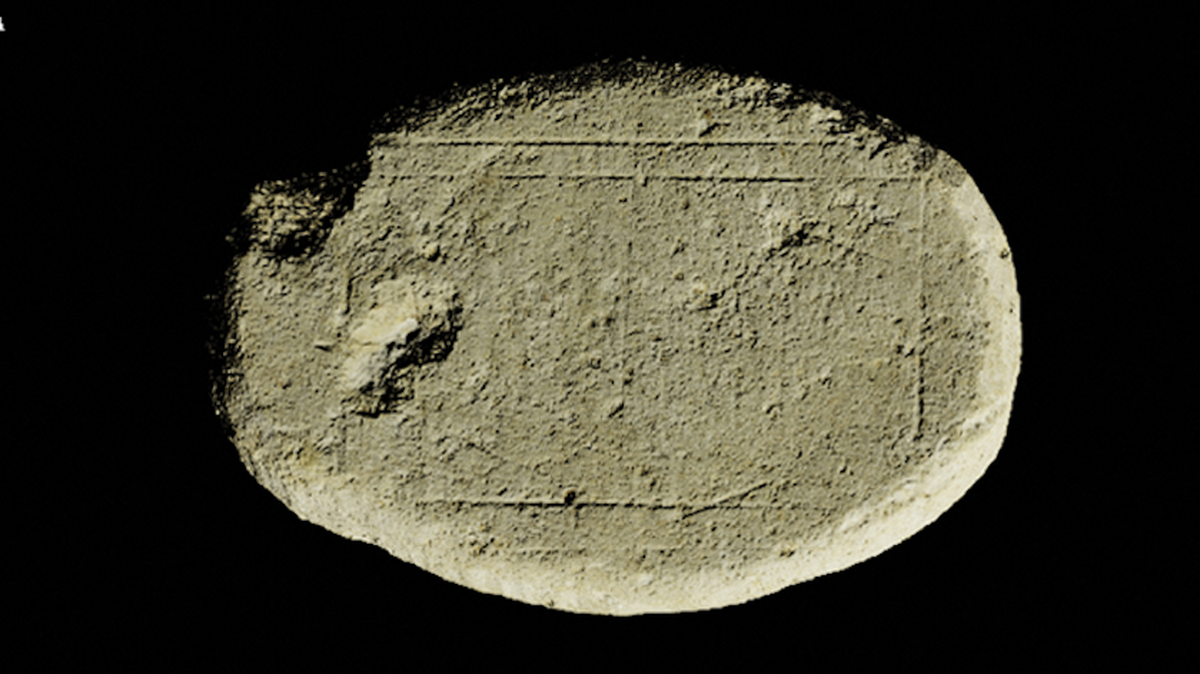
A small limestone slab, roughly the size of a dinner plate, stumped archaeologists for years. Found in the Dutch city of Heerlen, the board had carved grooves but no accompanying rules, no matching game boards documented from Roman times anywhere in the region, and no archaeological context to pin down when or how it got there. No ancient text described how to play it.
So a research team handed the puzzle to artificial intelligence. The AI tested more than 100 possible rule sets, played thousands of simulated games against itself, and landed on an answer that matched the physical wear carved into the stone. The lost game is now playable online.
A Roman-Era Mystery In the Netherlands
Heerlen sits atop the ruins of Coriovallum, a Roman-era town. The inscribed limestone board measures about 20 centimeters across. It was found there with no historical records to explain what game it represented.
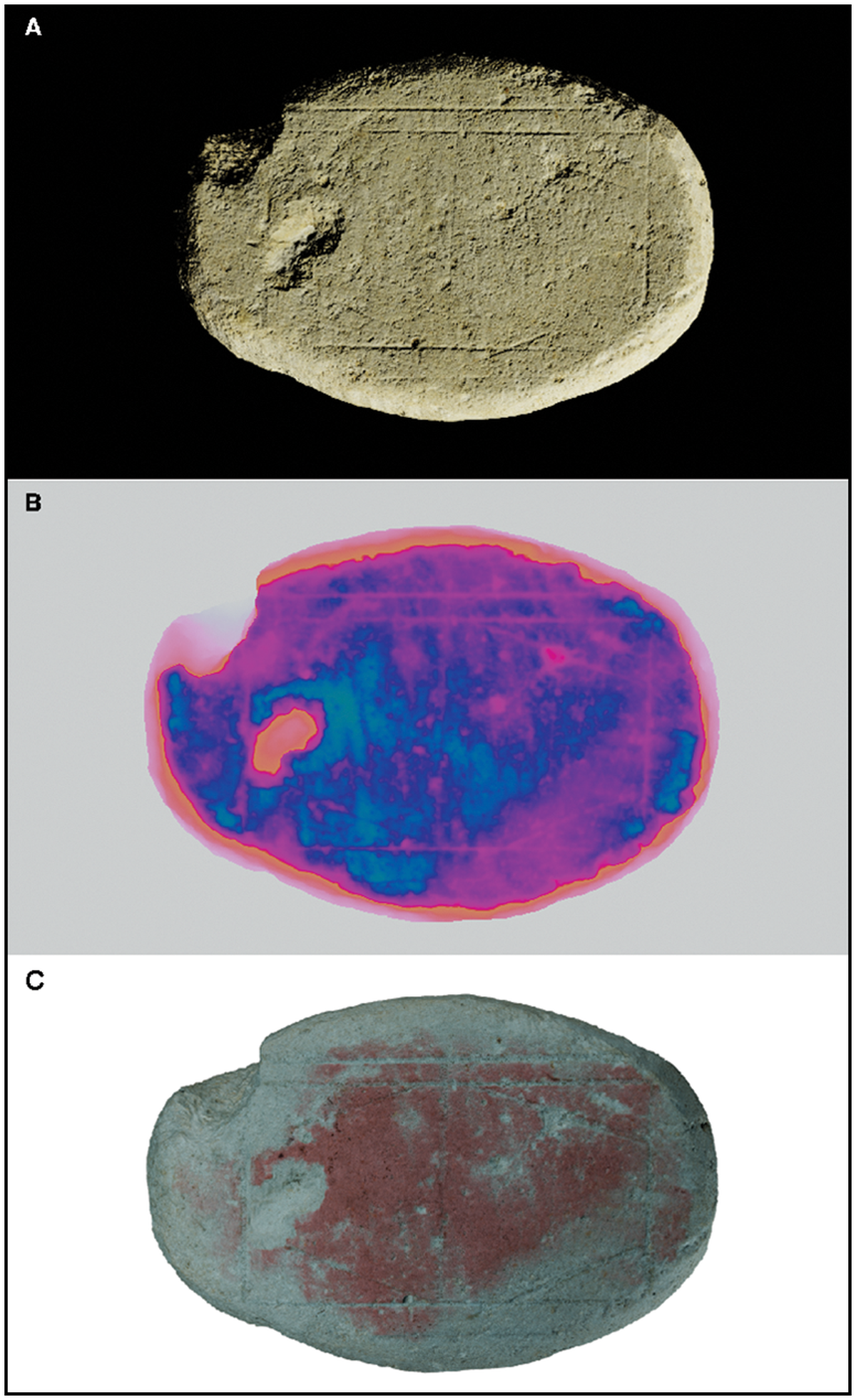
Leiden University archaeologist Walter Crist and his colleagues decided to reverse-engineer the rules. They fed an AI system called Ludii — a platform designed to simulate play across a wide range of board games — more than 100 possible rule sets. Two virtual players competed under various configurations: different numbers of pieces, different movement rules. The system tracked which setups produced wear patterns matching those on the actual board.
“We tried many different kinds of combinations: three versus two pieces, or four versus two, or two against two … we wanted to test out which ones replicated the wear on the board,” Crist says, per Science News.
Their findings were published in the February issue of Antiquity.
How the Game Works
The AI simulations pointed to a specific answer. The game likely involved one player placing four pieces in the board’s grooves while an opponent placed two. The goal: avoid being blocked for as long as possible. It’s a blocking game, a format where strategy centers on restricting your opponent’s movement rather than capturing their pieces.
The research team named it Ludus Coriovalli — the “Coriovallum Game.”
And the game can now be played online against a computer. A game lost for centuries, with no written rules, no oral tradition, no surviving players, has been reconstructed well enough to function as a playable digital experience.
What Other Archaeologists Are Saying
Véronique Dasen, an archaeologist at the University of Fribourg who was not involved in the study, called the research “groundbreaking.” Her reasoning went beyond the single game. She pointed to a much larger implication: other ancient game boards may be hiding in plain sight, misidentified as simple graffiti.
“The research results invite [archaeologists] to reconsider the identification of Roman period graffiti that could be actual boards for a similar game not present in texts,” she says, according to Science News.
Scratched markings on Roman-era stones that were previously dismissed or cataloged as decorative doodling might actually be game boards — artifacts of social life and competition that no one recognized because no framework existed to decode them.
Dasen also noted that before this research, there had been no evidence that Romans knew of this type of blocking game. “Games can go on for centuries, and sometimes they appear and then disappear,” she says.
That tension between what AI can reconstruct from physical evidence and what still requires traditional archaeological work defines where this method sits right now. The AI excels at brute-force testing of rule sets and matching simulated outcomes to physical wear. It can’t tell you who gathered around the board, what was at stake, or whether the game carried any social or ritual meaning.
Why This Approach Could Spread
The Ludus Coriovalli project sits at the intersection of two developments. The first: AI being applied to reconstruction problems where the original instructions, context, or meaning of an artifact has been lost. The simulate-thousands-of-possibilities approach the research team used is transferable to other domains where partial physical evidence exists but documentation doesn’t.
The second: a growing effort to make rediscovered ancient games playable again. The fact that Ludus Coriovalli is available to play online means the research didn’t stop at publication. It produced something people can engage with directly.
How to Try It Yourself
The game is playable through the Ludii platform, which hosts a range of historical and reconstructed board games. If you’re drawn to strategy games built around blocking rather than capture, this one fits: four pieces against two, with the winner being whoever avoids getting stuck the longest.
The full research paper is available through Antiquity, and the Locus Ludi project offers broader context on ancient Roman and Greek board games and other forms of play.
A 20-centimeter limestone board with no documentation. More than 100 rule sets tested. Thousands of simulated games played. One answer that matched the wear on the stone. And now, a game you can sit down and play — using rules that no living person knew until AI worked them out.
Production of this article included the use of AI. It was reviewed and edited by a team of content specialists.