Deadly Avalanche Season: Why 2025–2026 Could Be Among the Worst Ever
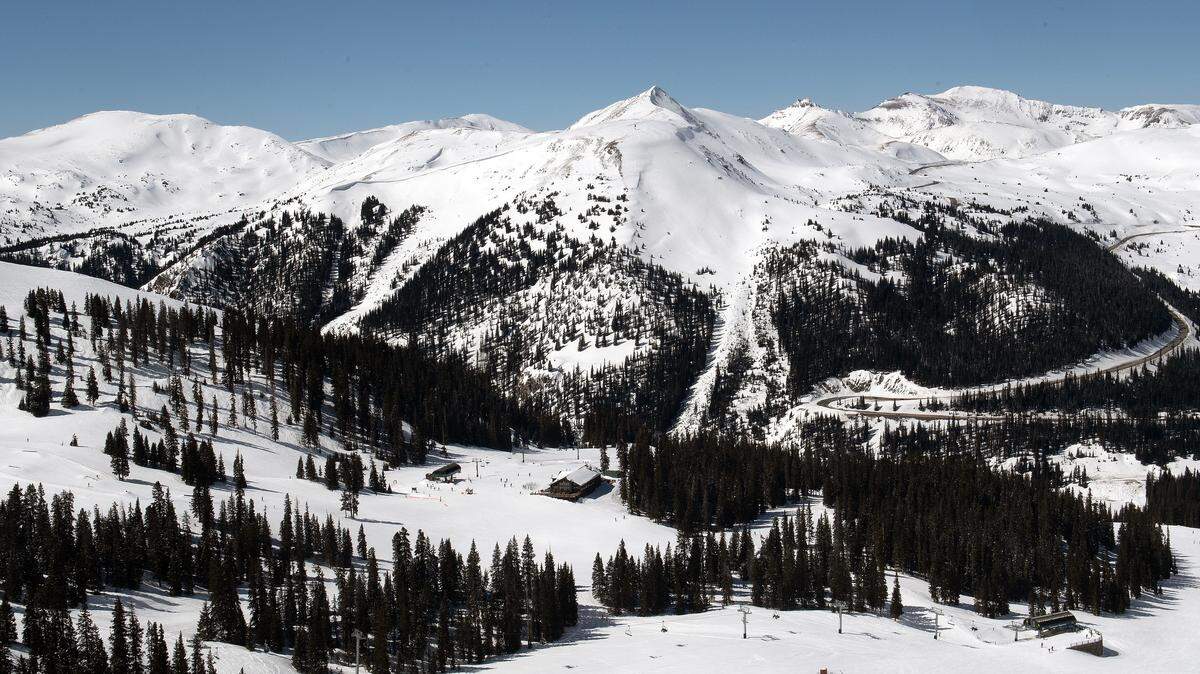
At least 16 people have died in avalanches during the 2025-2026 season so far, and winter is not over. A Feb. 17, 2026, avalanche in California killed eight skiers and left one more unaccounted for. Across the Atlantic, the Alps have recorded more fatalities than usual this year. Behind each tragedy lies a question climate researchers are working to answer: Is a warming world making avalanches more dangerous?
The answer, emerging from a growing body of research, is nuanced — but increasingly difficult to dismiss.
More Heat, More Snow, More Risk
According to The New York Times, while scientists are careful not to blame climate change for any single weather event without close study, research suggests that a warming climate is increasing the overall risk of avalanches at higher elevations, as storms dump large amounts of snow that can overload and tumble down a mountain slope.
Researchers are not drawing a straight line from rising global temperatures to any one slide. But they are identifying a mechanism — increased snowfall intensity at elevation — that connects a warmer atmosphere to greater avalanche loading. The pattern is consistent with a well-documented principle: a warmer atmosphere holds more moisture, which can translate to heavier precipitation events in regions where temperatures remain cold enough for snow.
Ned Bair, a researcher at the University of California, Santa Barbara, and the former research chairman of the American Avalanche Association, offered a key insight in an interview with The New York Times.
“We do expect that in the highest elevations in the Sierra, for example, there to actually be more snowfall,” Bair said. “What really matters with the avalanches is the intensity of the atmospheric rivers.”
Atmospheric rivers are corridors of concentrated moisture in the atmosphere and the primary delivery mechanism for extreme precipitation events along the West Coast and into mountain ranges. Bair’s analysis suggests the volume of snow deposited in a single event, driven by the strength of these atmospheric rivers, is a critical variable in avalanche risk — potentially more important than cumulative seasonal snowfall totals.
A Grim Pattern In the Fatality Data
The current season’s toll is already alarming when placed alongside recent years. In 2021, one of the most dangerous years for avalanches on record, at least 26 people died in avalanches in the United States, compared with 23 deaths in the previous season, the Colorado Avalanche Information Center said. That season saw skiers, snowboarders and snowmobilers seek a reprieve from the stresses of the pandemic, heading into the backcountry of the Salt Lake and Uinta regions, per The New York Times.
With at least 16 deaths already and winter still underway, this year is tracking toward — or beyond — those benchmarks. According to avalanche.org, a partnership between the American Avalanche Association and the U.S. Forest Service National Avalanche Center, avalanches kill 25 to 30 people in the United States each winter.
The difficult situation in much of the Alps, where there have been more fatalities than usual this year, reinforces the possibility that this is not a localized anomaly. When multiple mountain regions across different continents experience above-average fatality seasons simultaneously, the question of a shared systemic driver becomes harder to set aside.
How Atmospheric Rivers Load Mountain Slopes
These weather systems transport moisture across thousands of miles of ocean before making landfall. When an atmospheric river encounters high terrain, it is forced upward, cooling rapidly and releasing its moisture as snow — sometimes in staggering quantities over short time periods.
The research Bair points to suggests that at the highest elevations, where temperatures remain cold enough for snow even as the climate warms, the increased moisture content of the atmosphere is translating into more intense snowfall events. That intensity — the sheer volume of snow deposited on a slope in a compressed timeframe — creates the dangerous loading conditions that trigger avalanches.
The distinction matters. The climate change conversation around snow often focuses on declining snowpack at lower elevations and earlier spring melts. But the avalanche risk story is, in some ways, the inverse: at the highest elevations, warming may paradoxically increase hazard by delivering more snow, more quickly.
What Experts Say About Staying Safe
Simon Trautman, an avalanche specialist at the Forest Service’s National Avalanche Center and Northwest Avalanche Center in Washington, told The National Geographic the most important thing when it comes to avalanche safety is to “get the forecast. Get the training. Get the gear.”
The Alpine Institute outlines several essential steps for anyone heading into avalanche terrain:
- Get educated. Take an avalanche course, read, ask the experts. Snow pack evaluation is an ongoing process, and snow stability can vary significantly even within a limited area. Never trust a single source of information.
- Check your local weather reports and avalanche prediction centers. Call your local ski area and talk with local experts and others who have recently traveled in the areas you plan to visit.
- Carry the proper equipment and know how to use it. Practice with your gear several times each year. It is also good to practice a recovery once a year without your transceiver.
- Travel with trusted, avalanche-educated partners and discuss trip goals. Plan your route and alternate routes, and discuss challenges and hazards.
Additional avalanche safety resources are available through the New York State Department of Environmental Conservation.
What This Season Tells Us
Scientists remain rightly cautious about attributing any single event to climate change. But the research pointing to increased snowfall intensity at high elevations, the role of strengthening atmospheric rivers and the concurrent rise in fatalities across multiple mountain regions globally present a pattern that demands continued scrutiny.
The consequences of a changing climate are not limited to heat waves, wildfires and rising seas. In the mountains, the signal may be written in snow — heavier, faster and more dangerous. This season’s avalanche toll is a data point in a still-evolving picture of how a warming planet is reshaping risk in places long considered winter sanctuaries.
Production of this article included the use of AI. It was reviewed and edited by a team of content specialists.
This story was originally published February 20, 2026 at 4:23 PM.