Scientist Discovers Greyhound-Like Reptilian — and Names It After His High School Teacher
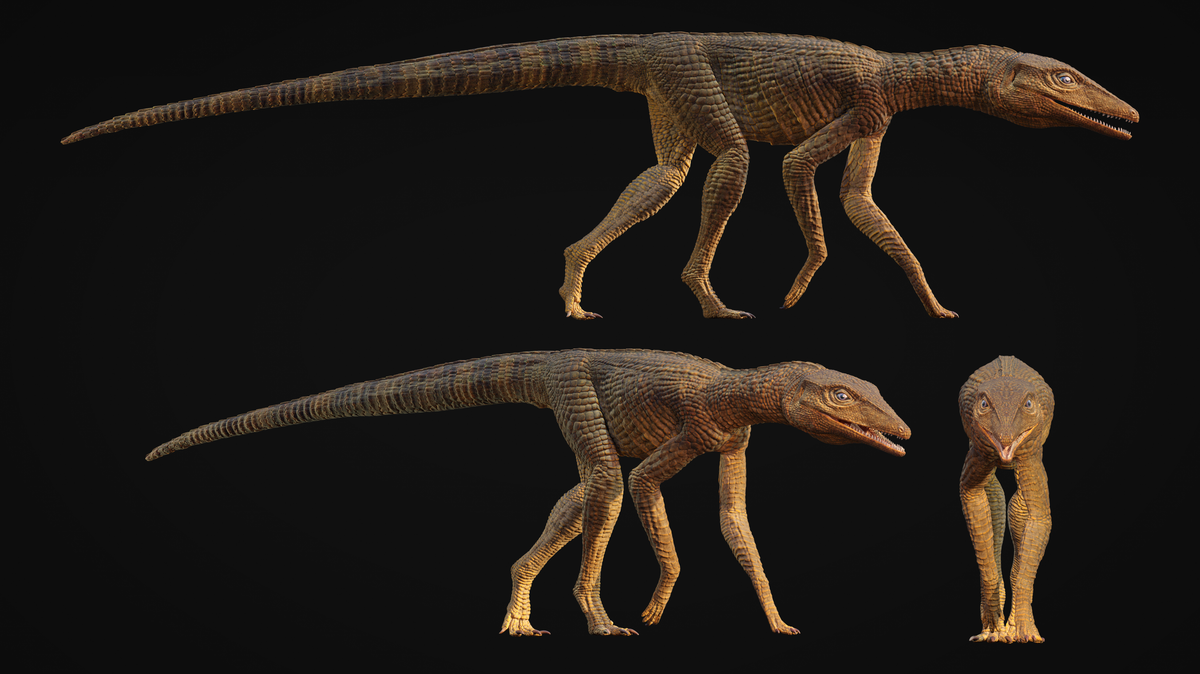
A PhD student who identified a new species of ancient land-dwelling crocodile relative — one built more like a greyhound than any croc you’d see today — honored his high school physics teacher by writing the man’s name into the scientific record forever.
A newly identified ancient crocodile species, Galahadosuchus jonesi, was a distant relative of modern crocs but stood upright on slender legs and lived entirely on land
The species was named by lead researcher Ewan Bodenham, a PhD student at the Natural History Museum London and UCL, after his secondary school physics teacher David Rhys Jones in Wales
Researchers identified 13 key anatomical differences between the new fossils and the related species Terrestrisuchus, enough to classify it as a new species
The animal lived during the Late Triassic period, shortly before the Triassic–Jurassic mass extinction caused by massive volcanic activity
Fossils were found near Gloucester, UK, in fissure deposits on both sides of the Bristol Channel in southern Wales and southwest England
A Greyhound-Like Ancient Crocodile
Forget the flat-bodied, water-lurking crocodiles you might picture at a zoo.
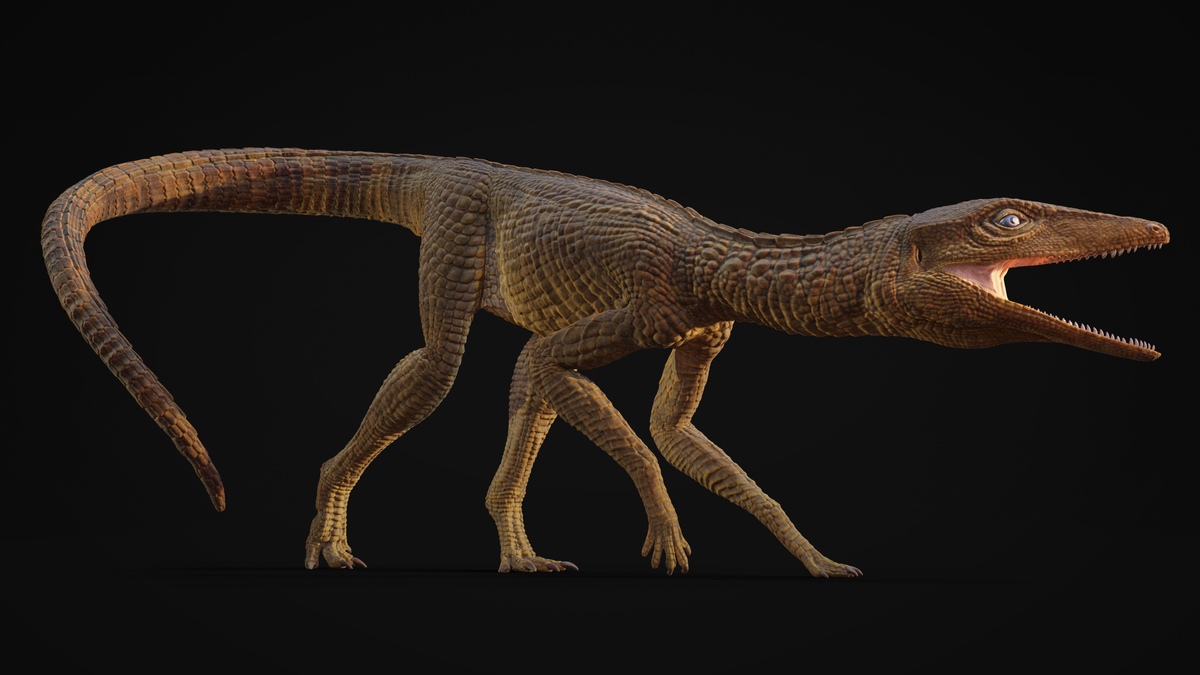
Galahadosuchus jonesi had long, slender legs, an upright posture, and a light, agile build, earning it comparisons to a “reptilian greyhound,” according to photos shared by the scientists.
The species belonged to a group called Crocodylomorpha, the broader group that includes modern crocodiles and alligators. But unlike today’s crocs, this animal lived entirely on land.
It was likely fast-moving and had a diet that likely included small reptiles, amphibians and early mammals.
The genus name itself includes a reference to Sir Galahad, the Arthurian knight known for his moral uprightness, reflecting the animal’s upright stance.
It is one of the group’s early ancestors.
The Teacher Behind the New Species
When Bodenham had the chance to give his discovery an official scientific name, he chose to honor the person who changed his life.
“We named it after my secondary school physics teacher,” says Ewan Bodenham, PhD student at the Natural History Museum London and UCL, lead author of the new paper.
“Mr Jones was just such a good teacher, not only in being able to explain things well, but you could tell that he was genuinely interested in the sciences. I think that really inspired me.”
“He also didn’t let me settle. He was very good at challenging people and helping students be the best they can be. Above all, he’s a very funny, genuine, nice guy.”
A physics teacher in Wales pushed a curious student to do his best — and years later, that student identified an entirely new species and wrote his teacher’s name into the scientific record.
How Scientists Proved It Was New
Discovering fossils is one thing. Proving they represent a brand-new species requires painstaking work.
“My PhD project is looking at the evolutionary relationships of these early crocodiles,” explains Ewan. “So we conducted a detailed anatomical description of this specimen, making comparisons to other early crocodiles to determine if it was another specimen of Terrestrisuchus or if it was something new.”
Researchers compared the fossils to the related species Terrestrisuchus.
Through detailed anatomical analysis, they identified 13 key differences between the Terrestrisuchus and Galahadosuchus fossils. Those differences were significant enough to classify it as a new species.
The species was described in the journal The Anatomical Record.
Where the Fossils Were Found
The fossils were discovered in fissure deposits near Gloucester, UK, on both sides of the Bristol Channel in southern Wales and southwest England.
Animals that died in this area were washed into caves and buried by sediment, preserving their remains.
At the time, the region was an upland environment surrounded by hot, arid plains — dramatically different from the green, temperate British countryside today.
Why the Timing Matters
The species lived during the Late Triassic period, shortly before the Triassic–Jurassic mass extinction. That extinction event was caused by massive volcanic activity that altered the climate.
Studying species from this period helps scientists understand ecosystem diversity before the extinction and how animals responded to major environmental change.
Every new species identified from this era adds another piece to the puzzle of what life looked like on Earth during one of its most dramatic turning points.
The press release from the Natural History Museum shares more details about the discovery.
BOTTOM LINE: This discovery reshapes what we know about early crocodile relatives — and stands as a reminder that a single encouraging teacher can shape a child’s future in ways that echo across the scientific record.
Production of this article included the use of AI. It was reviewed and edited by a team of content specialists.