A Giant Millipede Lost to Science For 126 Years Just Turned Up in Madagascar
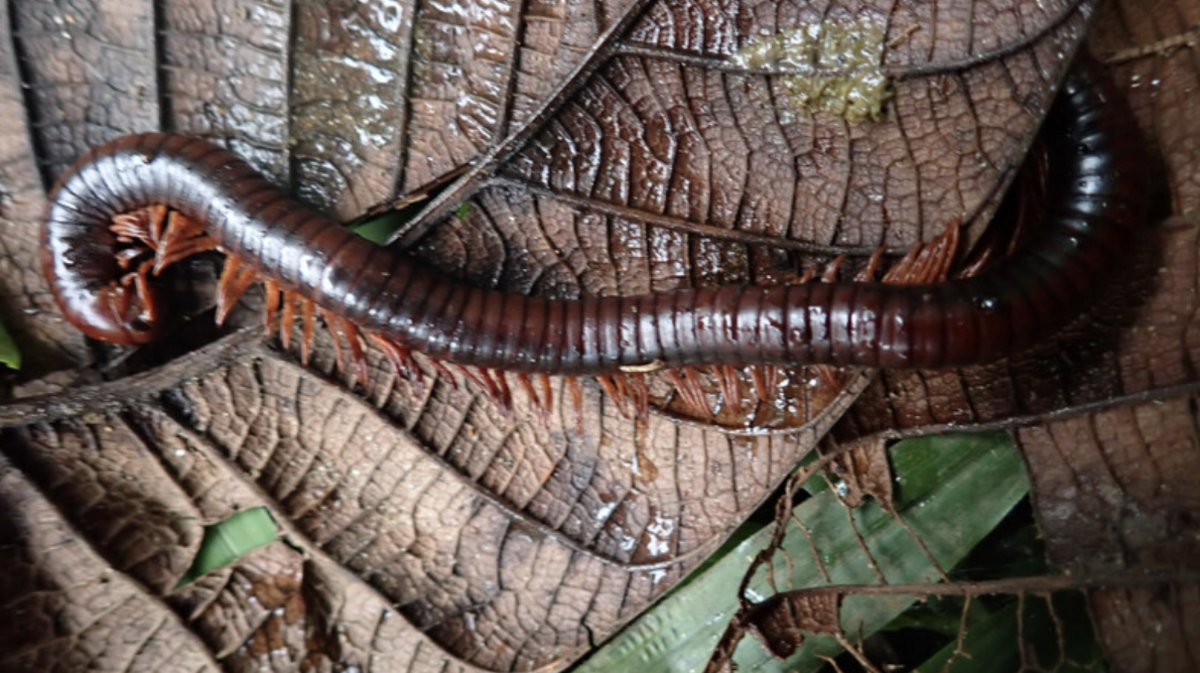
A nearly 11-inch-long millipede that no scientist had documented since 1897 has been found alive in Madagascar’s largest rainforest. The creature, Spirostreptus sculptus, was one of 21 species rediscovered during a five-day expedition in the Makira forest — and the story behind its rediscovery carries lessons worth sharing with kids and students about what we know, what we don’t and why it matters.
What ‘Lost to Science’ Actually Means
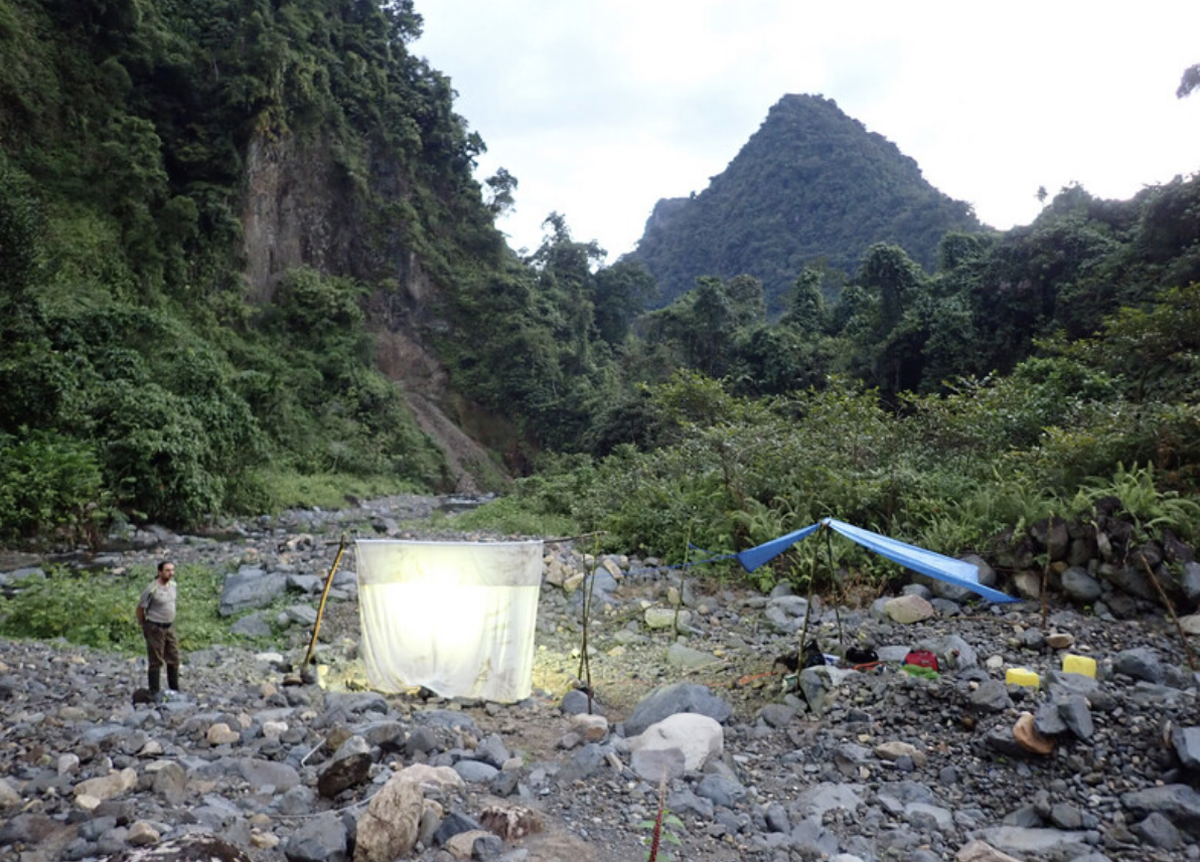
The millipede’s rediscovery was part of a larger search in Madagascar’s Makira forest, where a team of researchers, entomologists and local trail guides searched for species considered “lost to science.” The expedition was conducted by the conservation group Re:wild and funded by Colossal Biosciences, targeting 30 species that had not been documented in at least a decade, according to a July 17 news release from Re:wild.
“Lost to science” does not mean gone forever. Re:wild defines “lost” species as those that are not extinct and may have been observed by local communities but have not been identified in a scientific study for an extended period. That gap between local knowledge and scientific documentation is itself worth exploring — it reveals how much of the natural world remains unstudied, even when local people may know exactly where a creature lives.
A New Approach to Finding Overlooked Species
The Makira expedition represented a shift in strategy. Rather than focusing on one or two species at a time, the team cast a wider net.
“In the past the Search for Lost Species has primarily looked for one or two species on each expedition, but there are now 4,300 species that we know of around the world that have not been documented in a decade or more,” Christina Biggs, a Re:wild officer, said. “Madagascar is a biodiversity hotspot and Makira is an underexplored area within the country, so we decided to pilot a new model for lost species searches there. We convened a group of scientists to search for as many species as possible, and it proved successful.”
That figure — 4,300 species globally undocumented for a decade or more — suggests that the scientific community’s understanding of what lives on this planet has real blind spots. Not because species have vanished, but because the resources and attention needed to study them have been directed elsewhere.
The 30 targeted species included three mammals, three fish, seven reptiles, 12 insects and five spiders. Researchers searched trees, ground and rivers across Makira, located in northeastern Madagascar, an island nation off the east coast of Mozambique.
Local Guides Proved Essential
Scientists did not work alone. Local guides and fishers were partners in the search, and their knowledge of the forest proved indispensable.
After five days, local guides and fishers helped identify all three targeted fish species. Guides walked to local communities and returned with a Makira rainbow fish and photos of another fish described in the release as having “iridescent scales and red highlights.”
This collaborative model carries a teaching point that parents and educators can bring into conversation: conservation science depends on the deep, place-based knowledge of people who live alongside these species every day. The fact that local communities may have been observing species that science had “lost” track of says something about how much indigenous and local ecological knowledge matters.
The Giant Millipede and Other Surprises
Among the most striking finds: the giant millipede, undocumented for more than a century. Entomologist Dmitry Telnov described the moment.
“I personally was most surprised and pleased by the fact that the giant millipede Spirostreptus sculptus, not uncommon in Makira Forest, appeared to be another lost species known only from the type specimen described in 1897,” Telnov said. “The longest specimen of this species we observed in Makia was a really gigantic female measuring (10.8 inches) long.”
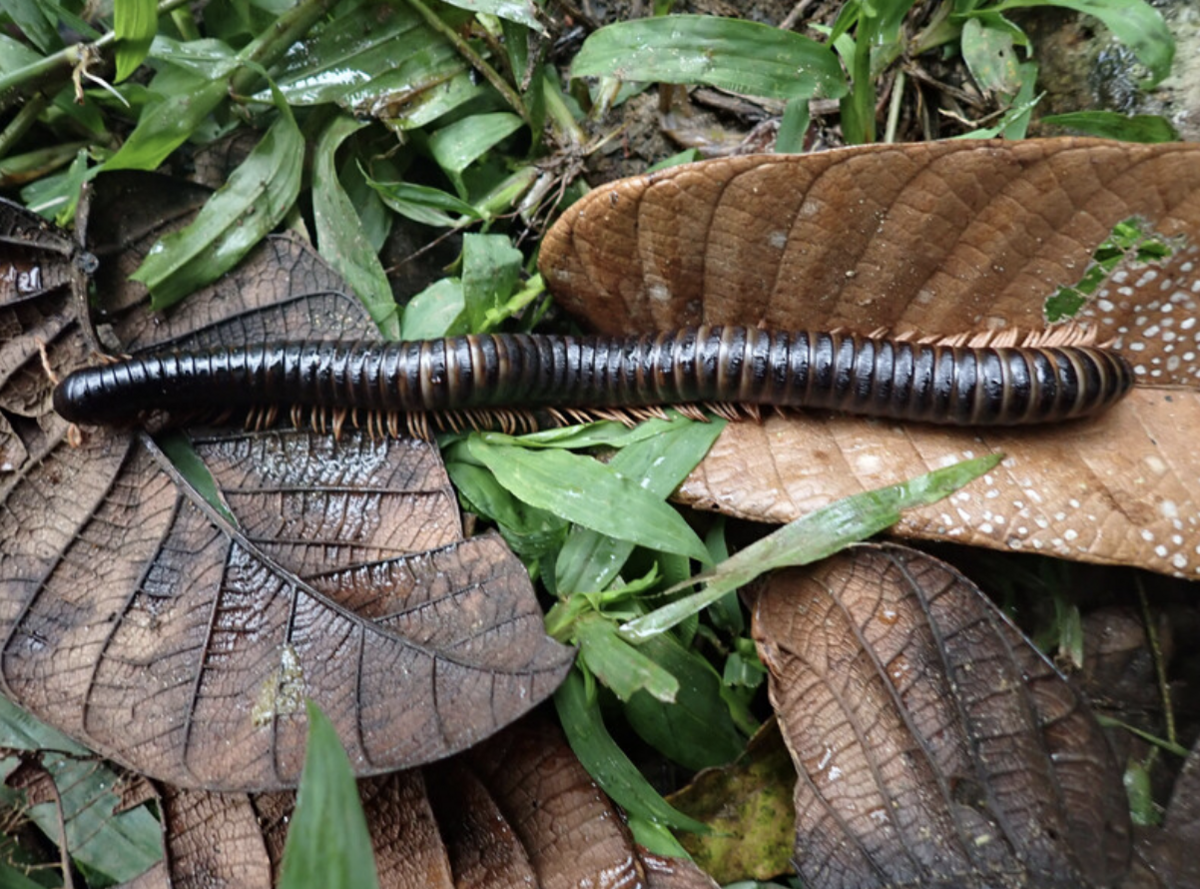
The team also rediscovered multiple insect species not on the original target list — a reminder that when scientists look carefully at underexplored habitats, surprises emerge. A creature measuring nearly 11 inches had been living in the forest all along, waiting to be noticed again.
Several Species Remain Missing
Despite the success of 21 rediscoveries, several targeted animals were not confirmed. The Masoala fork-marked lemur, not documented since 2004, was not found. A large chameleon species missing since 2006 was not located. The dusky tetraka, a bird rediscovered on another expedition in December 2022, was not located in Makira, according to the release.
These absences don’t necessarily mean extinction. But they raise pressing questions about what is happening in the habitats where those species were last seen — and whether time is running out to study them.
A Forest Under Pressure
Here is where the story shifts from hopeful rediscovery to something more sobering.
“Though Makira is the largest forest in Madagascar, it is still facing pressure from agriculture,” Re:wild said. “The expedition team worries that species in the underexplored forest could face steep population declines before scientists have an opportunity to study them.”
Species could disappear from an underexplored forest before science even has a chance to understand them. The millipede went unnoticed by researchers for 126 years. Other creatures in Makira may not get that kind of time if habitat loss continues.
With 4,300 species globally undocumented for a decade or more, the gaps in our understanding of biodiversity are vast. As habitats like Makira face pressure from agriculture, those gaps could become permanent losses.
And Makira itself is described as underexplored. Even a five-day search yielded 21 rediscoveries. There is still so much to learn — but only if the habitats that shelter these species are protected.
Production of this article included the use of AI. It was reviewed and edited by a team of content specialists.