Triangular-Headed Night Creature Discovered in Biodiversity Hotspot. It’s a New Species
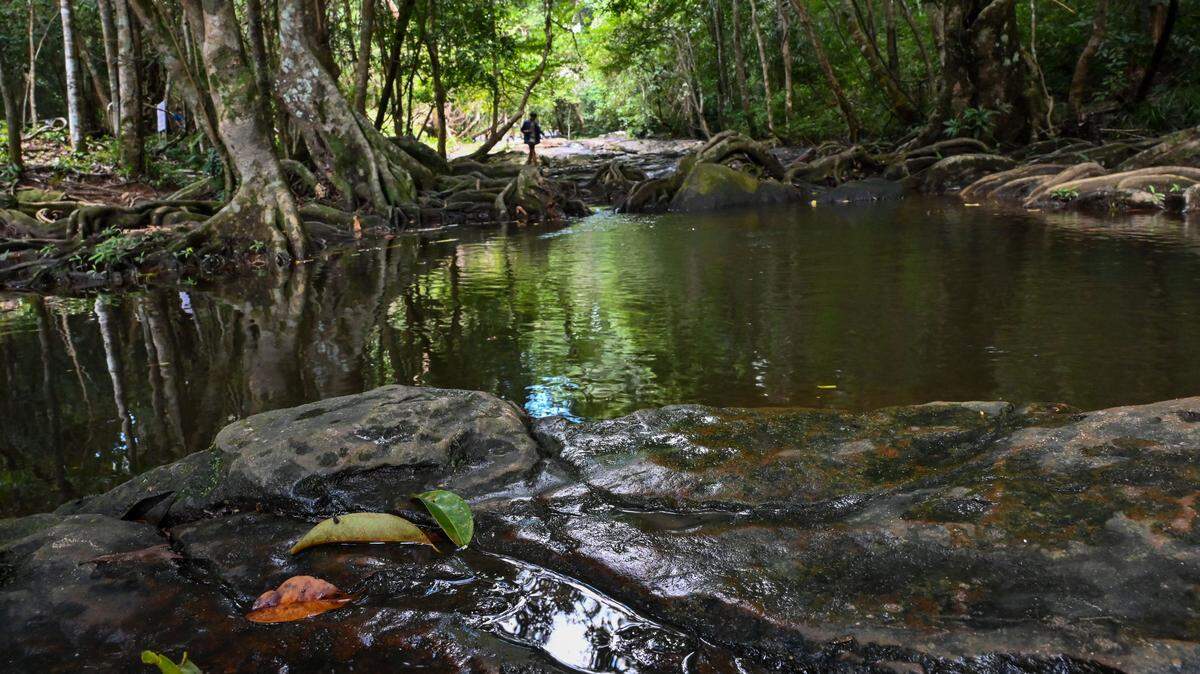
In the karst limestone landscape of eastern Thailand, a small gecko with bumpy skin and enormous brown eyes has been scrambling across cave walls unnoticed.
Scientists encountered the creature during wildlife surveys in 2022 and 2023, and after extensive analysis, confirmed it as a species no one had formally described before.
Meet Cyrtodactylus khlonghatensis, the Khlong Hat bent-toed gecko.
It’s the latest new species of gecko confirmed from a region where biodiversity keeps delivering surprises, and its discovery was published in the journal ZooKeys in 2024.
How Researchers Spotted Something New
At just over 7 inches long, this gecko is compact, with a triangular head and large, slightly protruding brown eyes. The body is slender, covered in bumps and equipped with short claws.
The coloring set it apart: a light brown body marked with dark brown bands edged in white running across the back. A U-shaped band wraps around the head, connecting the eyes.
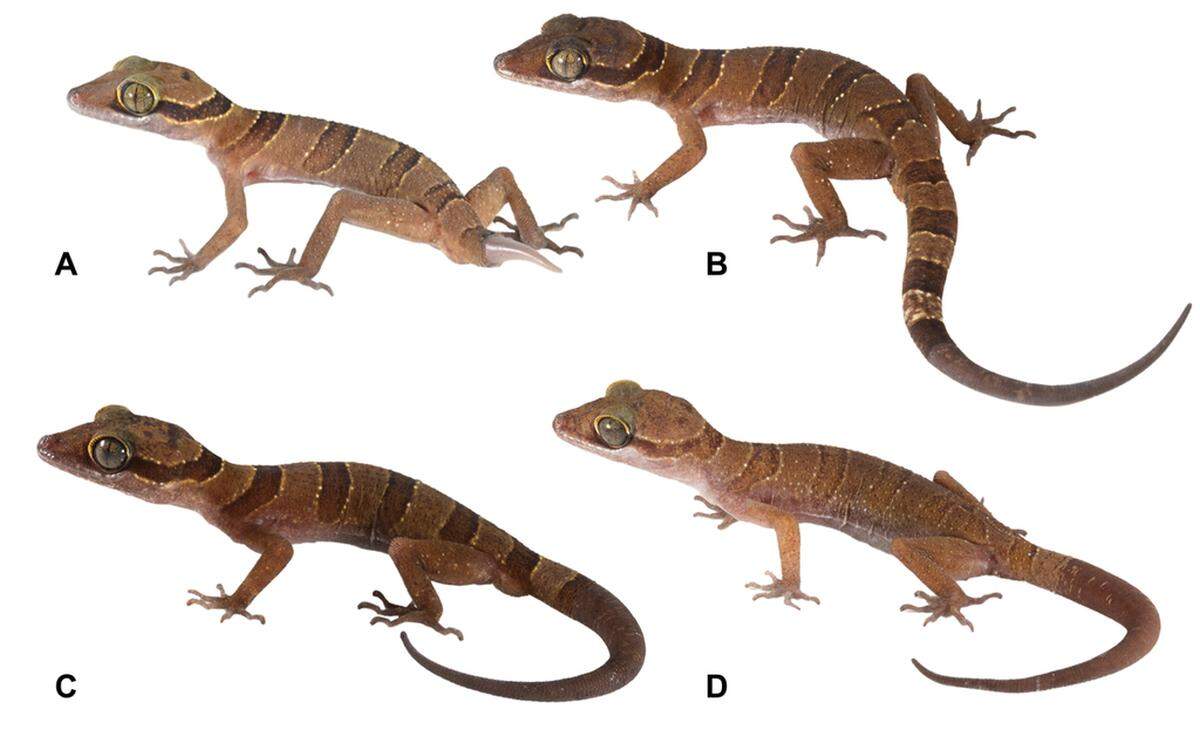
That combination of body size, scale patterns, coloration, finger and toe structure and skin texture initially tipped researchers off that they were looking at something distinct from known species.
DNA analysis sealed it. The gecko showed at least 5% genetic divergence from related species — a meaningful gap when drawing the line between one species and another.
A Nocturnal Life Among the Rocks
The gecko takes its name from the only place it has ever found: Khlong Hat District in eastern Thailand, a biodiversity hotspot about 150 miles east of Bangkok near the Cambodia border.
The habitat is rugged. These geckos live around karst rock formations — terrain shaped by limestone dissolution into caves, crevices and jagged outcrops.
During daylight hours, the species stays inactive in shaded areas. After dark, it becomes active across rocks, vegetation and the karst terrain itself.
Field observations paint a vivid picture.
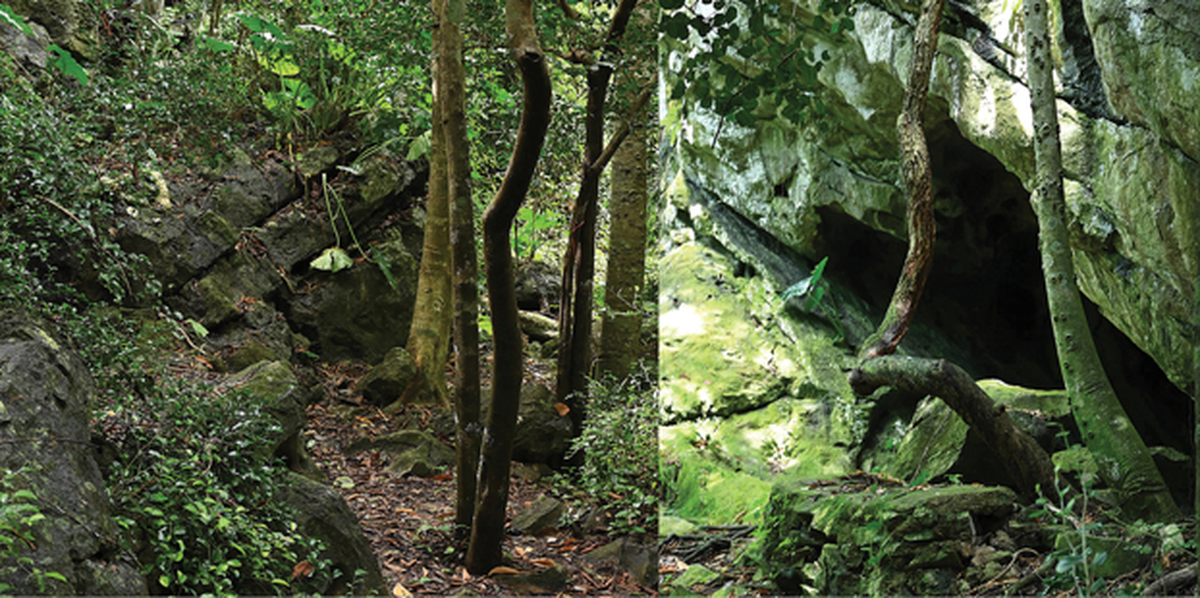
Researchers found geckos on cave walls, tucked into crevices, moving along dry vines and logs beside trails. One juvenile was spotted clinging upside down on a shrub.
The species is fully nocturnal, and the rocky, cave-pocked landscape of Khlong Hat District appears to be its entire known world.
The Team and the Timeline
Six researchers identified the new species: Natee Ampai, Attapol Rujirawan, Siriporn Yodthong, Korkhwan Termprayoon, Bryan Stuart and Anchalee Aowphol.
They combined traditional morphological analysis — physical examination of body features — with genetic testing to build the case that this gecko warranted its own species designation.
The wildlife surveys took place across 2022 and 2023, meaning the path from field observation to formal publication in ZooKeys moved relatively quickly by taxonomic standards.
Why Karst Landscapes Keep Producing Discoveries
Khlong Hat District sits in an area already recognized as a biodiversity hotspot. Karst landscapes in Southeast Asia have a track record of harboring species found nowhere else.
The complex terrain creates isolated pockets of habitat — a cave system here, a rocky outcrop there — each with its own microenvironment.
Animals living in these fragmented zones can evolve in relative isolation, which is one reason karst regions tend to produce discoveries like this one.
The bent-toed gecko genus Cyrtodactylus alone has been a frequent source of new species descriptions in recent years.
What the Discovery Means Going Forward
The fact that the Khlong Hat bent-toed gecko has been found in only one district raises real questions about its range and population size.
A species known from a single location is inherently vulnerable; any disruption to that specific habitat could affect its entire population.
Southeast Asia’s karst regions remain relatively underexplored, and the combination of complex geology and tropical climate means the pipeline of new species from this part of the world shows no signs of slowing.
The Khlong Hat bent-toed gecko may be small, nocturnal and confined to one district in eastern Thailand. But its confirmation as a new species adds another line to a catalog of life still being written, one cave wall and one upside-down juvenile at a time.
Production of this article included the use of AI. It was reviewed and edited by a team of content specialists.
This story was originally published February 25, 2026 at 1:17 PM.