Can’t Sleep? Here Are 12 Techniques To Try That Actually Work
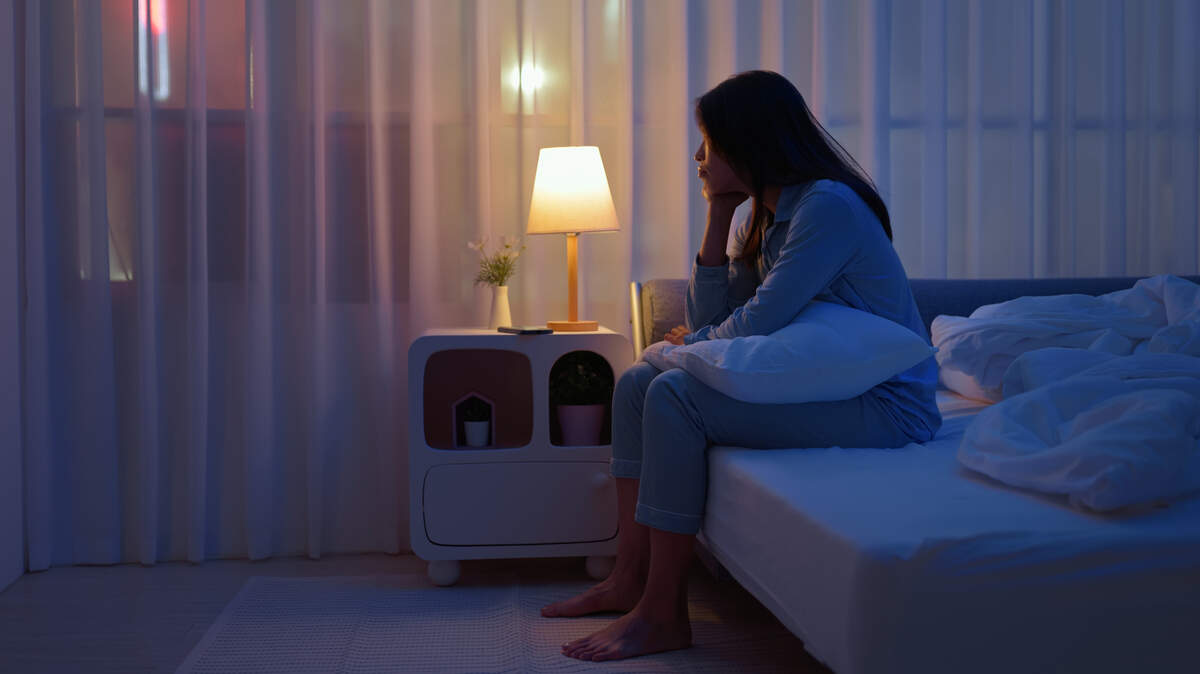
Most sleep advice stops at “put down your phone.” The techniques that actually move the needle go much further. Sleep Awareness Week kicks off March 8, and if you’re among the 6 in 10 Americans not getting enough sleep, consider this your starting point.
Yes, sleep really matters
Six out of every 10 American adults do not get enough sleep, and nearly 4 in 10 have trouble falling asleep three or more nights per week, according to the National Sleep Foundation’s 2025 Sleep in America Poll. The majority of Americans get between 6 and 7 hours per night — even though more than half say getting a good night’s sleep is a top priority on weekdays, ranking it above eating well or spending time with loved ones.
That gap between intention and outcome tells us something: people aren’t lazy about sleep. They just haven’t found what works.
Here’s the stat that reframes everything: 88% of adults with good sleep satisfaction are flourishing, compared to 47% of those with poor sleep satisfaction, according to the same National Sleep Foundation data. That’s nearly double. Sleep isn’t just about feeling less tired. It shapes how well you function across every area of your life.
The 12 techniques below are drawn from peer-reviewed research and clinical guidelines, ranked from the simplest habit changes to the most involved interventions.
The foundational habits
1. Lock in a consistent sleep schedule — weekends included. Going to bed and waking at the same time every day anchors your circadian rhythm. The weekend part trips most people up. Sleeping in on Saturday feels restorative, but it can shift your internal clock by hours, creating a mini jet-lag effect that makes Monday morning harder than it needs to be.
2. Cool your bedroom to 60–67°F. Your body needs to drop its core temperature to fall and stay asleep. Keeping the bedroom in this range supports that natural process, helping you reach deeper, more restorative stages faster. If your thermostat doesn’t go that low comfortably, try cracking a window, running a fan, or swapping to lighter bedding.
3. Cut screens at least one hour before bed. Blue light from phones, tablets, and televisions suppresses melatonin production and signals to the brain that it should stay alert. The one-hour buffer gives your body enough time to shift into sleep mode. If screen avoidance isn’t realistic every night, enable night mode and keep devices at arm’s length rather than close to your face.
The timing-sensitive tweaks
4. Stop caffeine earlier than you think. A study published in the Journal of Clinical Sleep Medicine found that consuming 400 mg of caffeine even 6 hours before bedtime reduced total sleep time by more than one hour.
2024 research found that high doses can affect sleep quality up to 12 hours before bedtime, particularly reducing deep sleep stages. For a standard cup of coffee, avoid caffeine within 4 hours of bedtime. For larger amounts, allow 8 to 13 hours. If you’re drinking a large cold brew at noon and going to bed at 10 p.m., that 10-hour window may not be enough.
5. Exercise during the day, not right before bed. A 2024 study published in Nature Scientific Reports found that people who engaged in moderate to vigorous physical activity during the day fell asleep more quickly than those who were sedentary.
Exercise also increases time spent in deep sleep. The catch: vigorous exercise within 3 to 4 hours of bedtime can be stimulating and make it harder to fall asleep. A morning or lunchtime workout doubles as a sleep aid. An 8 p.m. HIIT session may do the opposite.
6. Get morning sunlight within 30 to 60 minutes of waking. Light exposure early in the day helps anchor the circadian rhythm, making it easier to feel sleepy at the right time at night. This is one of the cheapest and simplest interventions on this list. Drinking your coffee outside instead of at the kitchen counter counts.
The in-bed techniques
These are for when you’re already lying down and sleep isn’t coming.
7. Try the 4-7-8 breathing method. Developed by Dr. Andrew Weil and rooted in yogic pranayama, this technique involves inhaling through the nose for 4 counts, holding for 7, then exhaling through the mouth for 8.
A 2022 study found it may improve heart rate variability and reduce blood pressure, and a 2023 review indicated that even 5 minutes of slow, controlled breathing can significantly reduce stress and anxiety. Large clinical trials specific to 4-7-8 are still limited, so treat this as a low-risk, easy-to-try tool rather than a cure. It takes about 60 seconds per cycle.
8. Try the military sleep method. Used by the U.S. Army to help soldiers sleep under any conditions, this method works through progressive muscle relaxation starting with the face, moving through the shoulders and arms, down to the legs, then combining with guided imagery.
It was designed for foxholes and aircraft carriers. Your bedroom is already a better environment. The method works because it forces you to systematically release physical tension you may not realize you’re holding.
9. Do a “brain dump” before bed. Racing thoughts are one of the most common barriers to falling asleep. Keeping a notepad on your nightstand and writing down tomorrow’s tasks, worries, and stray thoughts gets them out of your head and onto paper, where they stop looping. This doesn’t need to be organized or eloquent. A messy list works. Research supports expressive writing as a tool for reducing pre-sleep cognitive arousal.
10. Reserve your bed for sleep only. If your brain associates the bed with email, Netflix, and doomscrolling, it won’t automatically shift into sleep mode when you lie down. Avoid working, eating, or watching television in bed. The goal is to create a strong mental association between the bed and sleep. This is also a core technique in CBT-I, covered below.
The deeper interventions
11. Try magnesium — but pick the right form. Magnesium helps relax muscles and affects brain pathways that regulate mood and anxiety. Some forms, however, act as a laxative and can disrupt sleep, so type selection matters. Magnesium glycinate is the form most associated with relaxation and sleep support. Consult a doctor before starting any supplement, particularly if you take other medications.
12. Consider CBT-I for persistent insomnia. If you’ve worked through the steps above and still can’t sleep consistently, this is the intervention with the strongest clinical evidence behind it.
The American College of Physicians recommends CBT-I as the first-line treatment for chronic insomnia. Research supports that it is as effective as sleep medication in the short term and more effective in the long term, at 3 or more months following treatment. It is delivered over roughly 6 to 8 sessions and addresses both the thoughts and behaviors that maintain insomnia. Digital CBT-I apps are now available for those without access to a therapist. This isn’t a sleep hack. It’s structured therapy that physicians recommend before prescribing sleeping pills.
Where to start
Begin with the free, low-effort changes: consistent schedule, cooler room, morning sunlight, screens off an hour before bed. Audit your caffeine timing, since the 6-hour cutoff most people follow may not be enough. If you can’t fall asleep, try the 4-7-8 method or the military method. Both take under 5 minutes and cost nothing. Keep a notepad on your nightstand. If none of it has worked after several consistent weeks, CBT-I is the evidence-backed next step.
Production of this article included the use of AI. It was reviewed and edited by a team of content specialists.
This story was originally published March 4, 2026 at 12:29 PM.