A pediatrician spotted an odd bruise on this NC girl. It may have saved her life
Six-year-old Annie Smith hadn’t even been the patient that afternoon.
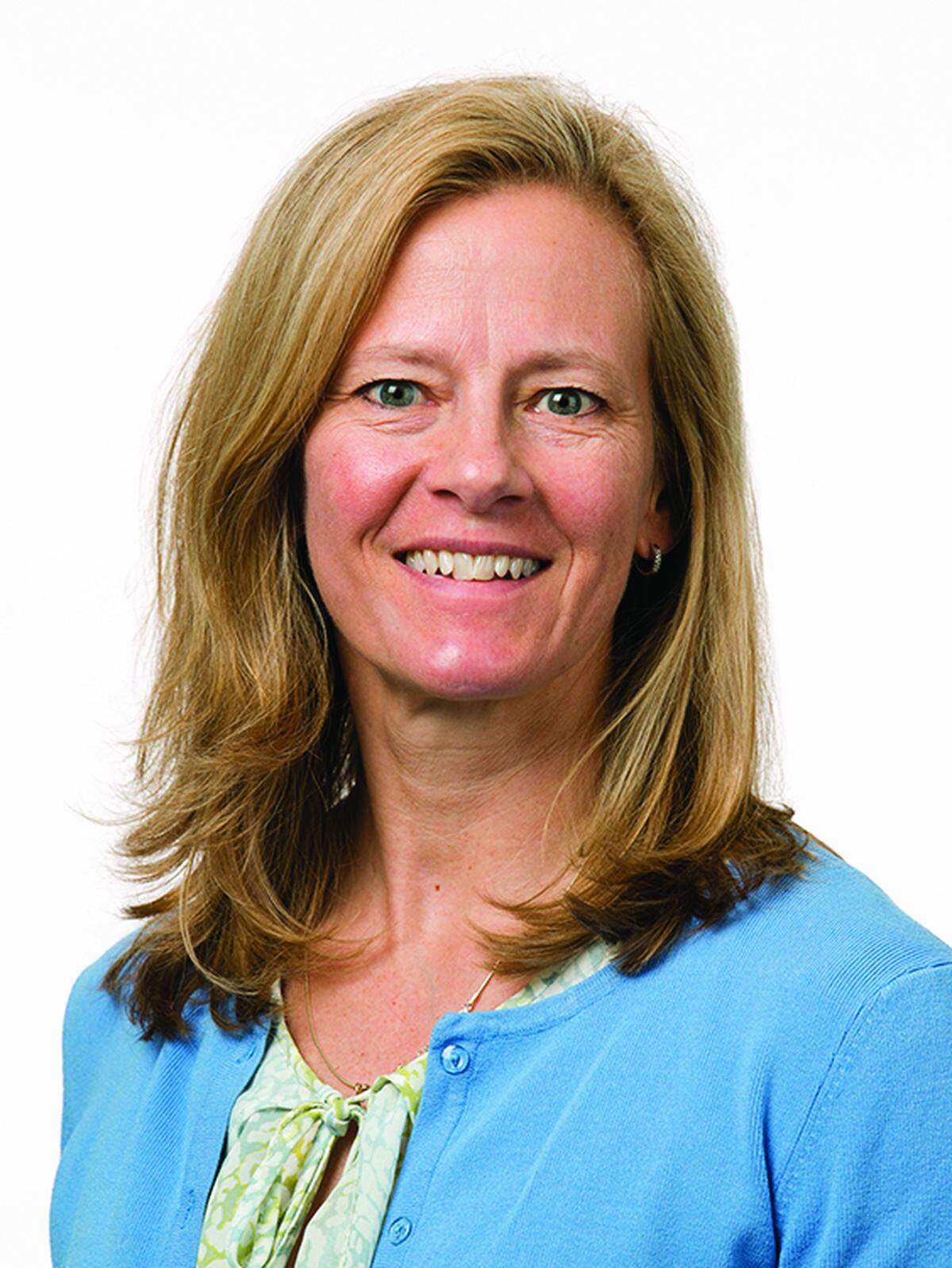
Her father, Jason Smith, had brought Annie’s older brother Wilson, 10, to their longtime pediatrician for a simple case of swimmer’s ear. Annie was just tagging along — and at first, Dr. Pamela Young was just making conversation.
Then she noticed the edge of a large bruise on Annie’s thigh, peeking out from beneath her shorts. “Oh,” she asked, “what happened to your leg?”
The explanation was that Annie, the youngest of seven, had bumped into a wall charger. But when Dr. Young looked more closely, the bruise seemed unusually large. She then spotted several more bruises — including some in places where kids don’t typically get them during everyday play — and had a sneaking suspicion Annie’s platelet count might be low.
By this point, the attention in the room had shifted. Wilson’s swimmer’s ear had become an afterthought.
Dr. Young told Jason she wanted to run some blood work. Because the office had its own lab, the initial results would come back quickly. But it gave him time to do what almost every parent does when something suddenly feels wrong with their child.
He pulled out his phone and started Googling.
It didn’t take long to find that unexplained bruising could be an early sign of leukemia.
And about 15 minutes later, when Dr. Young returned to the exam room with the results, she had tears in her eyes. “You need to get Annie to the hospital,” said Young, a Novant Health Matthews Children’s Clinic doctor who’d been caring for the Smiths’ children since the oldest, Lilly, was born 18 years ago. “I’ve already talked to them.
“They’re waiting for you.”
Less than 10 minutes later, Jason was loading his children into the car.
‘Something’s really wrong with her’
“I don’t know what’s happening,” Jason told his wife, Allison, as he headed to meet his mom to hand off Wilson before taking Annie to Novant Health Hemby Children’s Hospital in Elizabeth. “But she could have cancer.”
Allison started sobbing. She said she’d immediately head from their house in Monroe toward the city to meet them.
As soon as Annie was admitted, more blood was drawn — and the fresh results were even more ominous. “Annie’s blood counts were alarming,” recalls Dr. Christine Bolen, the pediatric hematologist at the St. Jude Affiliate Clinic at Hemby Children’s Hospital who treated Annie, “with the primary concern being the low white blood cells.”
White blood cells are needed to fight infection, she explains, and when that number drops very low “the risk for a life-threatening infection becomes a significant concern.”
The hematology-oncology team began preparing the family for the possibility that she indeed had leukemia.
The next morning, Annie underwent a bone marrow biopsy — and after the initial results appeared to confirm the worst, doctors began outlining what chemotherapy treatment might look like. Jason and Allison could barely process what they were hearing.
But a few hours later, the team returned with an update. Additional testing showed it wasn’t leukemia.
The relief, however, was only tentative. A fragment of her bone marrow was still being analyzed, and the family was warned that something serious was still wrong.
When those results came back a couple of days after that, the diagnosis was just as jarring: Annie had severe aplastic anemia, a rare disorder in which the bone marrow stops producing the blood cells the body needs to survive. It also severely weakens the immune system, making patients highly susceptible to serious, frequent infections.
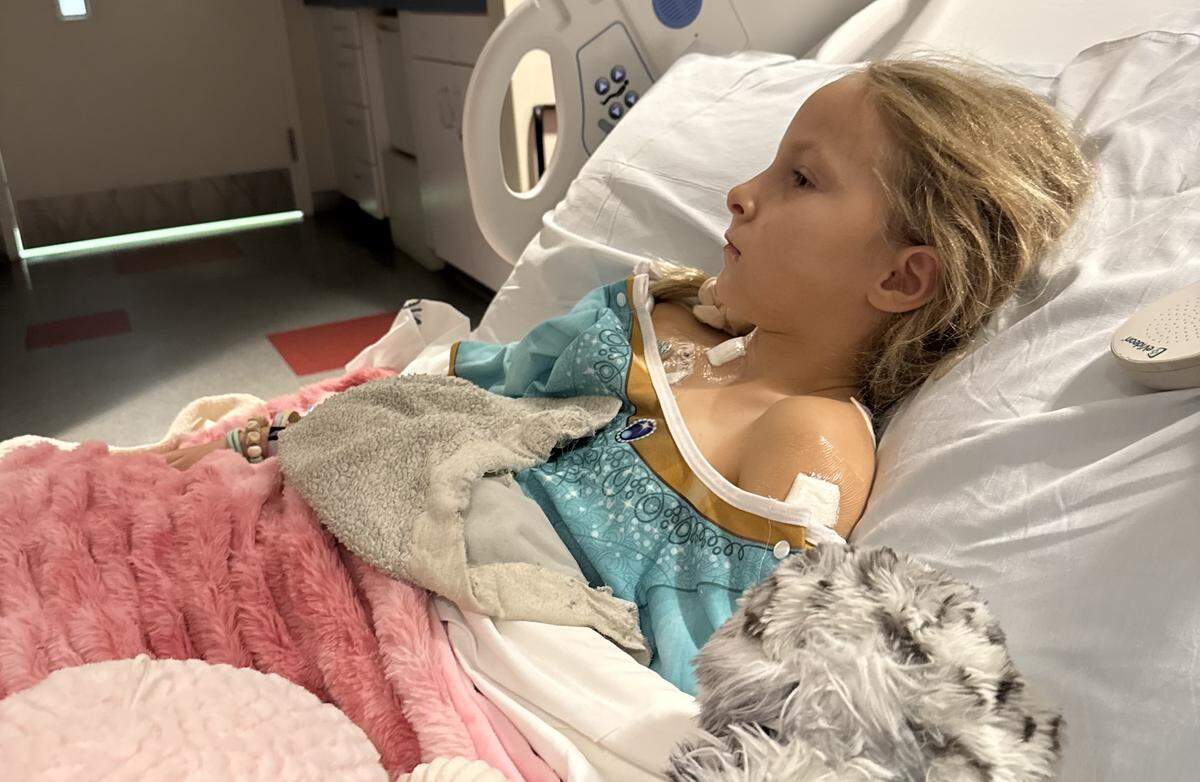
She immediately got started on antibiotics and antifungals. But the only potential cure, doctors told them, would be a bone marrow transplant.
And their best chance at a match, the Smiths learned, would be one of Annie’s siblings.
Crying happy tears in a field of flowers
A bone marrow transplant replaces the damaged marrow with healthy stem cells from a donor, allowing the patient’s body to grow a new immune system.
Siblings are overwhelmingly the best potential donors because their genetic markers are most likely to closely match the patient’s.
So it was time for a family meeting.
After hearing their parents lay it out, none of the Smith kids — Lilly, Eli, Maggie, Brice, Wilson or Jesse — flinched at the idea of helping their baby sister.
They all got tested. Then they waited anxiously for the results.
Whoever turned out to be the best possible donor would have to travel with their parents and Annie to St. Jude Children’s Research Hospital in Memphis, Tenn., where the transplant would take place. Annie would then need to remain in Memphis for three to four months while recovering.
As part of her treatment plan there, Annie also would undergo an intensive immunosuppressive therapy that would cause her waist-length blond hair to thin — and eventually fall out.
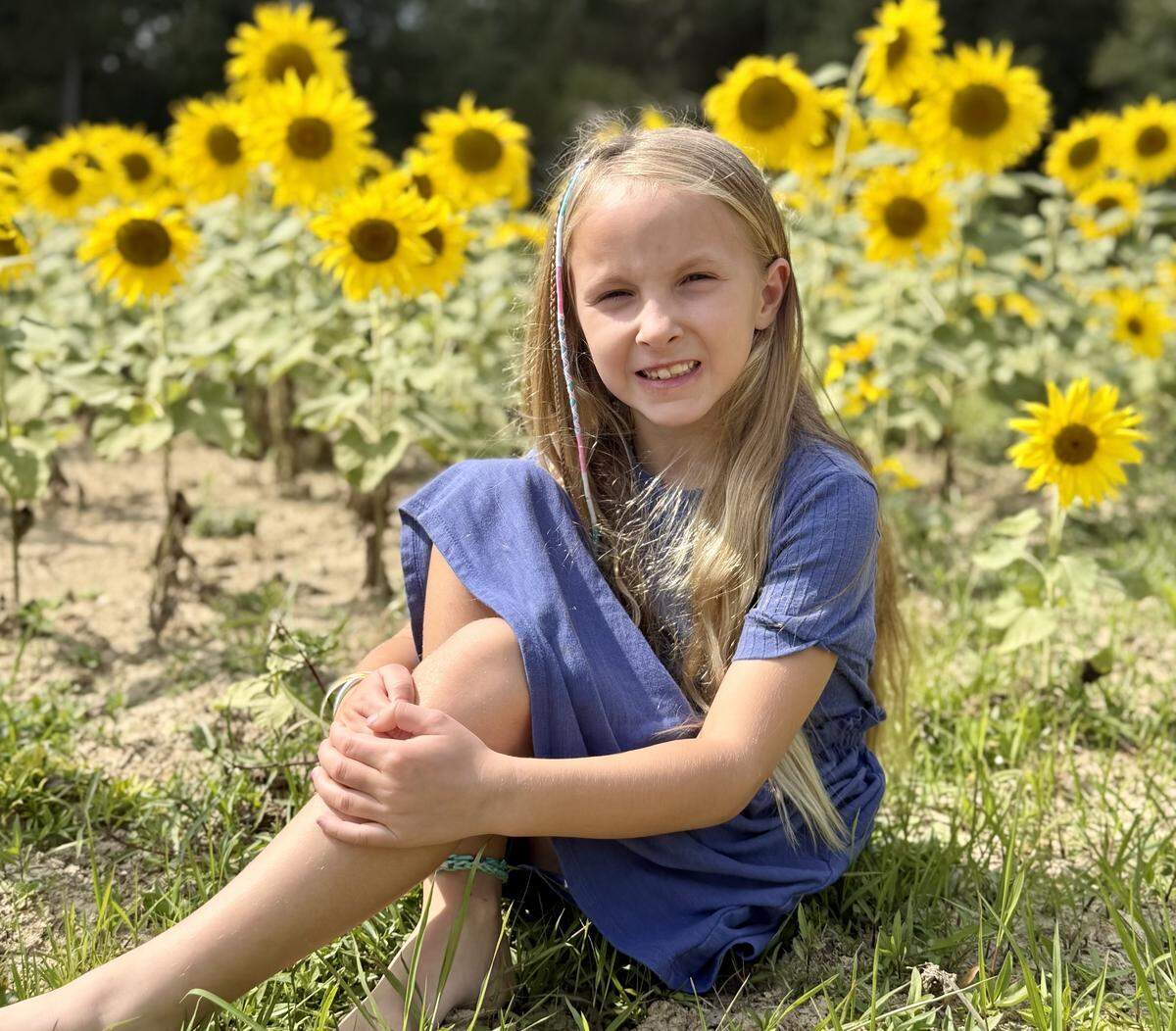
With this heavy on his mind, on Sept. 16, just over three weeks after that first visit to the pediatrician, Jason suggested they take Annie to a sunflower field near their house that was in full bloom. He thought it’d be a nice idea “to remember what she looked like beforehand ... and as a promise,” to Annie, “that God would bring it back to that.”
Dressed in periwinkle, Annie took off her shoes in front of the sunflowers, sat down, squinted into the sunlight and smiled.
Then Allison’s phone rang. It was Dr. Bolen.
She told them that they had a match. Allison, Jason and Annie were already crying happy tears when the doctor added something unexpected: “We actually have two matches.”
‘Your blood is the medicine’
When they got back to the house, the other six were called into the kitchen. “Do you want to share the news, Annie?” Allison asked. Annie nodded vigorously, embracing the spotlight with relish.
“Wellllllllll,” she said to the crowd, “we have a winner.”
She followed that up by mimicking Dr. Bolen’s more-dramatic reveal: “We actually have TWO winners.” Her brothers and sisters all gasped. As Allison describes it in hindsight, “You would think they were fixing to win a million dollars.”
Perhaps fittingly, then, Annie leaned into the moment like a game-show host. “The first winner iiiis ...” she said, pausing for dramatic effect before blurting, “Eli!” Everyone erupted into cheers, slapping their 14-year-old brother on the back and jostling him playfully.
“OK, now! The second winner iiiiiiiiis ...“ she teased, pausing again. Then: “Wilson!” More cheering, back-slapping, and jostling.
It would be one of the last truly joyous moments all nine of them would share under the same roof for months. Not long afterward, Annie headed to St. Jude Children’s Research Hospital in Memphis for what would become a very long stay.
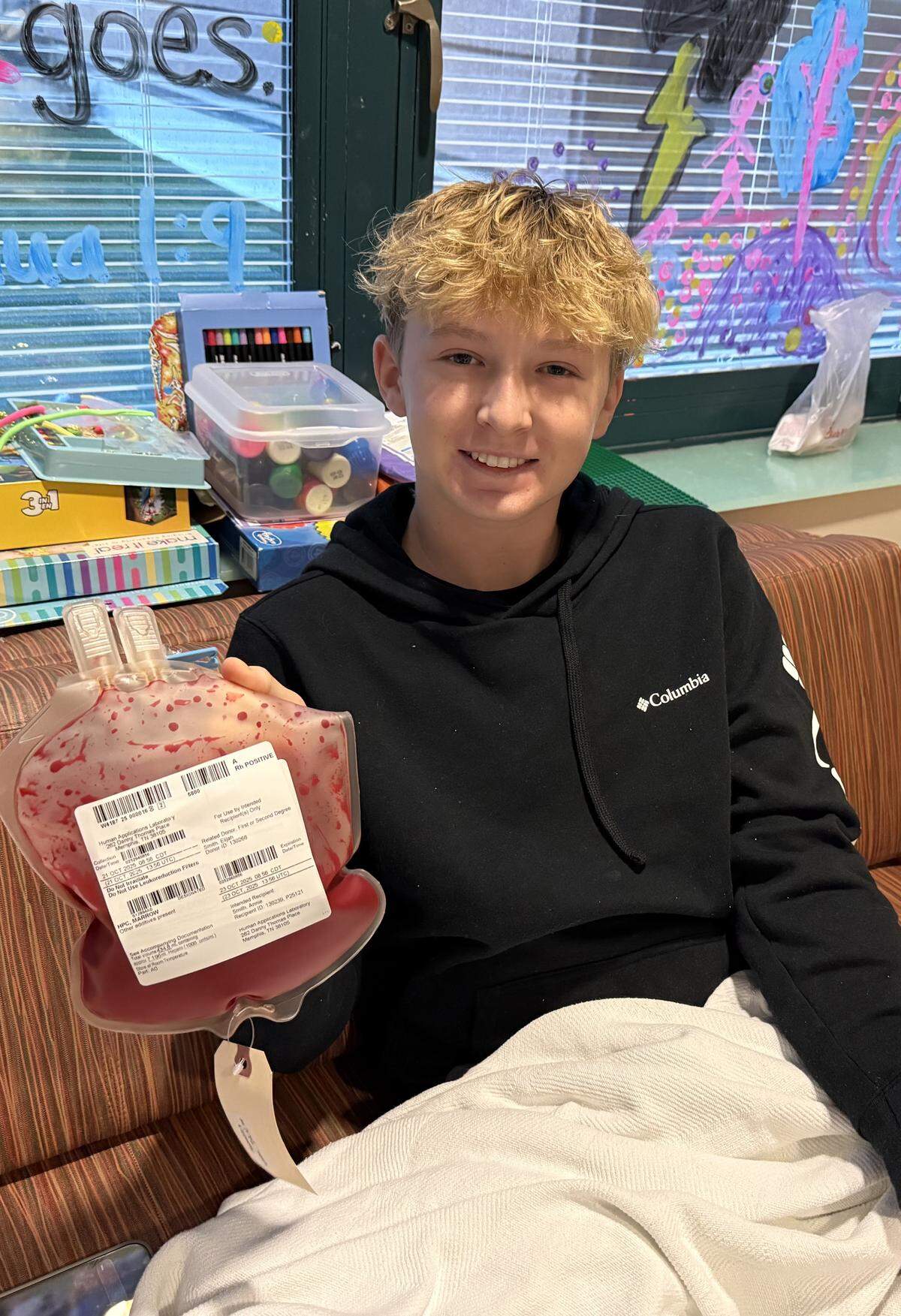
Meanwhile, as the transplant approached, the Smiths faced another worry: how they would choose between their sons. In the end, though, doctors made the decision for them — at four years older than Wilson, Eli was physically larger and better suited to handle the transplant process.
And by then, Eli had a firm understanding of how big a deal it was. “Your blood,” Jason had told his son, “is the medicine.”
With that, in mid-October, doctors wiped out Annie’s damaged bone marrow with chemotherapy and replaced it with healthy cells from her brother, allowing her body to begin the process of growing a new immune system.
As expected, the immunosuppressive therapy made her hair fall out. Blood transfusions managed her symptoms. But mostly, it was a waiting game — watching for signs of rejection, monitoring closely for infection — with the family separated, as Jason and Allison took turns making the 500-plus-mile commute, as Annie celebrated turning 7, Thanksgiving, Christmas and New Year’s at St. Jude.
Annie wound up spending more than 140 days in the hospital.
Life isn’t the same for the Smiths, but...
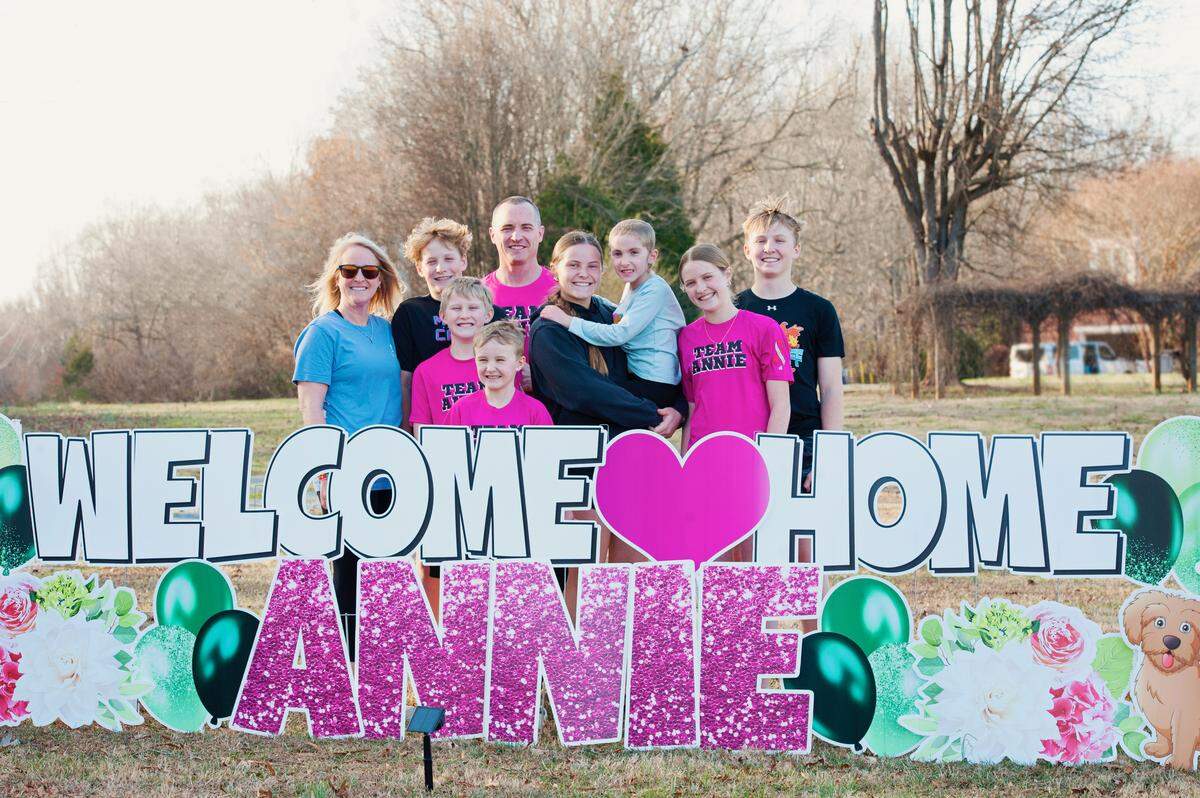
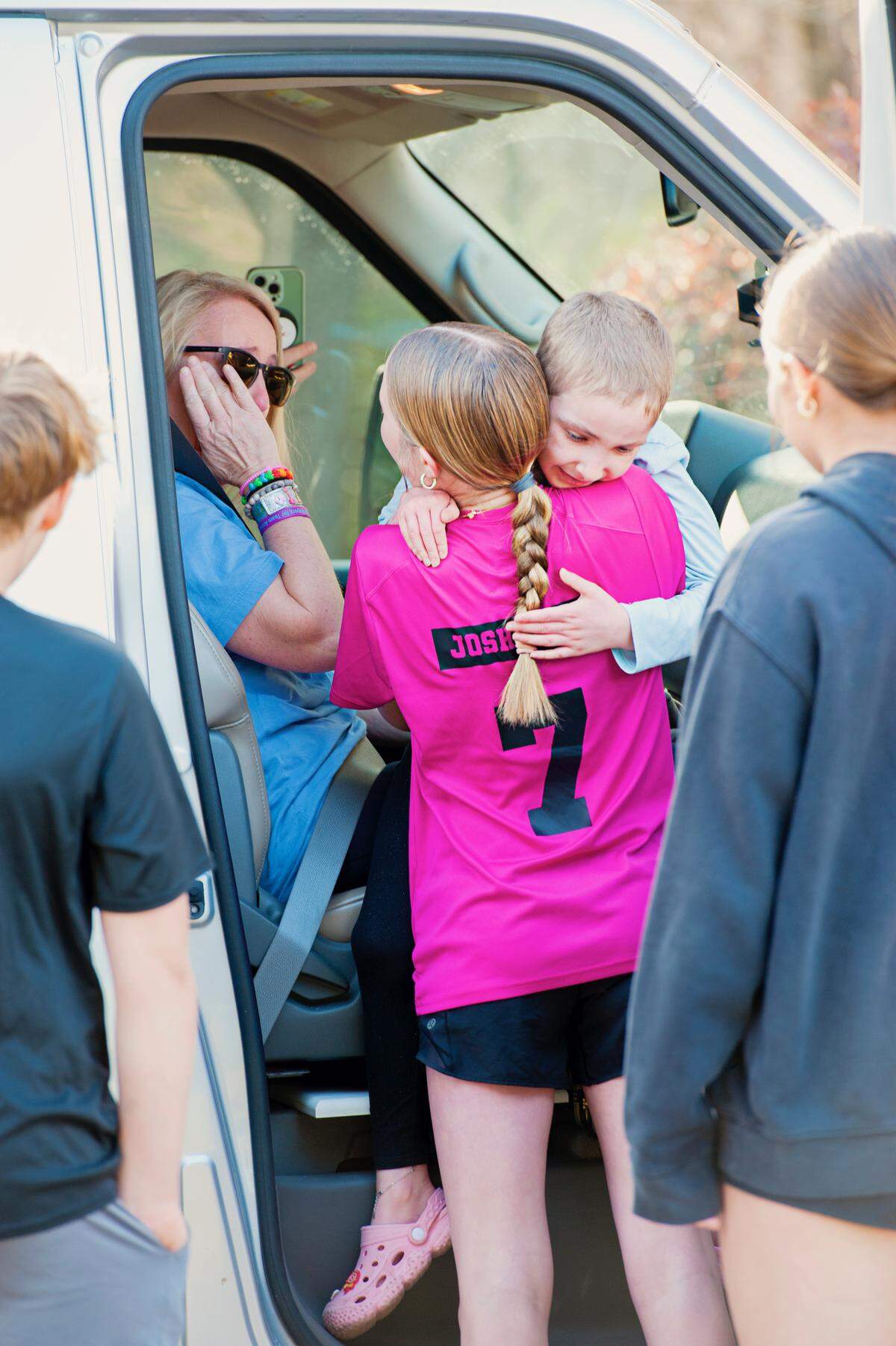
She came home on Feb. 21, welcomed in the driveway by family, lots of jumping up and down, a big green and pink yard sign with horses and puppies, and cheering that rivaled the day Annie announced the “winners.”
Since then, however, things have hardly returned to normal.
The hospital visits are less frequent now, but they’re still a regular part of life. Her new stem cells are producing healthy blood cells, but rebuilding the immune system — which Dr. Bolen says currently resembles “that of a newborn baby” — is a long and slow process.
Full recovery could take one to two years.
In the meantime, Annie remains more vulnerable to infection, so her parents and siblings wash their hands constantly. If someone feels sick, they keep their distance. Her family is careful about visitors, too; the neighbor kids, for example, wave and shout greetings from the doorway instead of crowding inside.
But Annie isn’t complaining, her parents say, and they aren’t either.
In fact, they feel overwhelming gratitude, for the help they’ve received from extended family, friends, health care professionals, people in their community who don’t even know them personally and, they say, from God. And they fully realize that the moment that changed everything was almost impossibly small: If Dr. Young hadn’t made conversation while examining her brother — hadn’t looked twice at her bruise or ordered that blood test — the family might not have discovered Annie’s condition until much later.
Severe aplastic anemia, the Smiths know now, can be life-threatening within months due to infections, bleeding or heart complications, so they’re aware how easily things could have gone another way.
Instead, thanks to Dr. Young’s instincts, the Smiths got time. Time to find a match. Time for a transplant.
Time for Annie to grow her hair back, ride bikes with her siblings again, and slowly build the immune system she’ll carry for the rest of her life.
This story was originally published March 11, 2026 at 5:01 AM.