Everything You Need to Know About Pet Cloning — From Someone Who Has a Cloned Cat
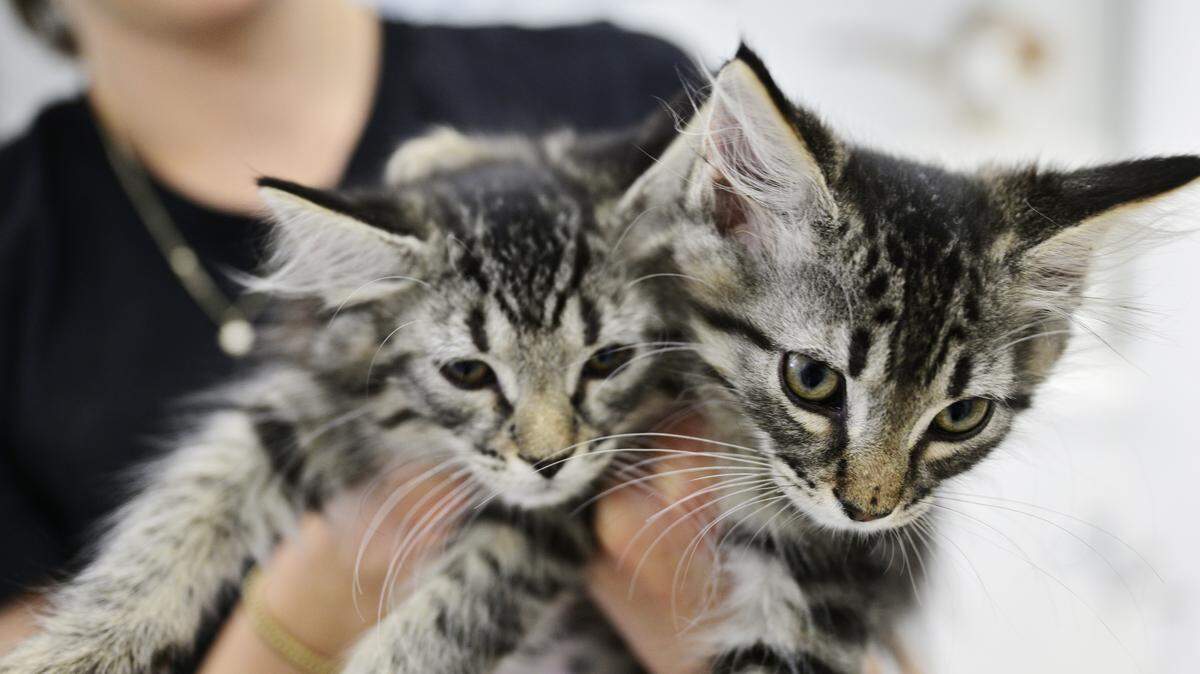
Kelly Anderson cloned her beloved cat after a sudden death, and while she calls it “one of the best decisions I’ve ever made,” her advice for others considering the same path is more complicated than a simple endorsement.
Anderson, an Austin-based social media manager, lost her ragdoll cat Chai to a preventable accident in 2017. Chai was only 5 years old.
Anderson then spent $25,000 and waited four years to receive Belle, a clone of Chai — and she has been publicly sharing the realities of that experience ever since.
Her story offers a rare, firsthand account of what pet cloning actually involves, including the emotional highs, the surprising wait and the very real differences between a cloned cat and the original.
The Tight Bond That Started It All
Anderson first met Chai when she was in college. At the time, she was struggling with mental health and depression. Chai became something far more than a pet.
“She just immediately synced up with me and understood my emotions in ways that no other animal really ever had. And I’ve had animals my entire life,” Anderson said in a December interview with People.
“She was my soulmate pet,” Anderson added in an interview with National Geographic, published March 2. “I’ve never had an animal in my life, or even really a human either, that just innately understood me like she did. I just felt robbed of time with her.”
Chai died unexpectedly at age 5 in 2017. While under the care of a pet sitter, Chai ingested a piece of plastic from a food wrapper. The obstruction was discovered about a week later.
Chai underwent surgery to remove the plastic. The surgery was successful, but Chai had an adverse reaction to anesthesia. When Anderson went to the vet to pick up Chai, doctors went to grab the cat — and Chai was unresponsive.
Five years is a fraction of the lifespan many cat owners expect with their pets. The circumstances — a preventable accident — made the grief all the more acute for Anderson.
Why She Chose Pet Cloning
Before Chai died, Anderson had already discussed cloning with a roommate. They had recently learned about ViaGen, a pet cloning company located nearby.
After Chai’s death, Anderson stayed up all night researching cloning. She contacted ViaGen shortly after and decided to move forward. The cost was $25,000, which she covered by taking out a loan.
“I was like, you know what? That’s basically like buying a car,” she told National Geographic.
The company warned her upfront that she would not be getting an exact copy of Chai. Anderson said she was fine with that.
“For me, this was never about bringing my cat back from the grave. It was just about carrying on a piece of her,” she told People.
The Four-Year Wait Was a Blessing
Anderson initially thought the cloning process would take a few months. Instead, it took four years. A degraded tissue sample was among the reasons for the delay.
She finally received Belle in October 2021, four years after losing Chai.
Rather than viewing the long wait as purely frustrating, Anderson came to see it as something that ultimately helped her.
“It was a really hard four years, but I think I was in a much better place to receive my new cat, Belle,” Anderson told National Geographic. “I had time to fully grieve Chai and I could better appreciate Belle for being her own cat—not just a copy of my original cat.”
Same DNA, Different Cat
Anderson has been transparent about life with Belle on social media (@CloneKitty on Instagram) and her website (https://clonekitty.com/).
On her website, she says the temperaments of both cats are “the exact same” and while they “share some similar traits,” Belle is “very much her own cat.”
Belle has “far less color on her face and coat than Chai,” according to Anderson. The two cats have different meows, and Anderson says she has a “different bond” with Belle compared to what she had with Chai.
The similarities are still notable. Both cats share a sassy and bold personality, show affection in similar ways, love dogs, are fascinated by water, dislike other cats and take a long time to warm up to people.
The differences are just as real. Belle is more outgoing and adventurous, while Chai was more clingy. Belle does not like to be touched as much, is heavier, is more open to tricks and is more food motivated.
Anderson told People pet cloning was “one of the best decisions I’ve ever made.” Still, she wants to warn others that they will not be getting an exact clone. They will be different cats.
Her Two Key Pieces of Advice
Anderson has distilled her experience into two recommendations for anyone considering pet cloning.
First, she stresses that cloning is not resurrection.
“This is not resurrection, this is not reincarnation. You’re not going to get your pet back from the dead,” she told People. “If you’re doing this because you miss your pet, then think about the intent and the reason behind that before you decide to clone.”
A cloned animal shares DNA with the original pet, but as Anderson’s own experience with Belle demonstrates, that shared DNA does not mean an identical personality, appearance or bond.
Second, Anderson says the best way to prepare for cloning is to collect a tissue sample before a pet dies. This can be done during a routine veterinary procedure, such as a dental cleaning. Preserving tissue while the pet is alive improves cloning success rates.
“I think part of the reason it took four years for me was that they had frozen Chai’s remains overnight, and that started to damage her cell quality,” she told People.
The Cost of Pet Cloning Has Doubled
Pet cloning has become more common in recent years. The price has risen significantly since Anderson’s experience.
Today, per ViaGen, cloning costs around $50,000 for dogs and cats. Horses cost $85,000. Notable people who have cloned pets include Paris Hilton, Barbra Streisand and Tom Brady.
The pet cloning process involves several steps.
Scientists extract viable eggs from the fallopian tubes of female animals. The egg is then modified to include DNA from the pet being cloned. A surrogate animal is injected with hormones, and the embryo is implanted in the surrogate.
BOTTOM LINE: Anyone considering pet cloning should know the cost has now doubled to $50,000, the process can take years, and the animal you receive will be its own unique companion — not a carbon copy of the one you lost.
Production of this article included the use of AI. It was reviewed and edited by a team of content specialists.