Citizen Scientist’s Wildlife Photo Helped Prove Two Species Weren’t Extinct After All
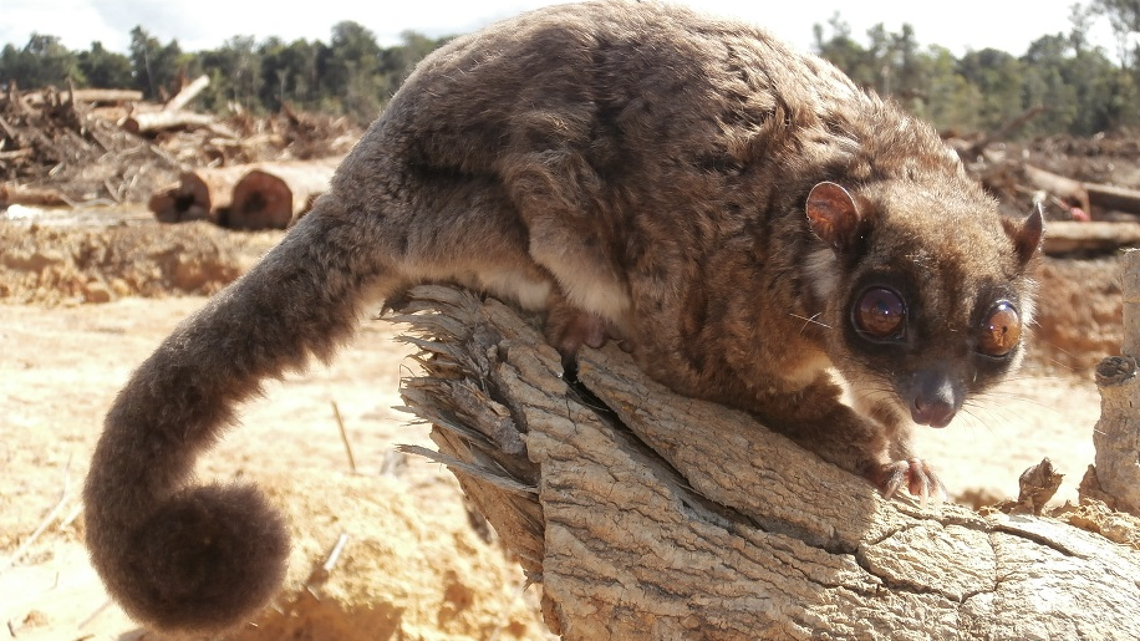
A man named Carlos Bocos posted photographs of a small marsupial on iNaturalist. That contribution helped scientists confirm a species believed extinct for more than 7,000 years was still alive. And Bocos didn’t just contribute to the research — he became a co-author on the published study.
Two marsupial species in New Guinea, previously known only from fossil evidence, have been confirmed alive, according to The Bishop Museum in Honolulu, which announced the discovery on Tuesday. One of the key pieces of evidence came from Bocos’s photographs on iNaturalist, a public biodiversity platform used by wildlife observers worldwide.
Two ‘Lazarus Species’ Return From a 7,000-Year Absence
The two species at the center of this discovery are the pygmy long-fingered possum and the ring-tailed glider. Both are classified as “Lazarus species,” a scientific term for organisms that reappear after having been thought extinct.
“The discovery of two Lazarus species, thought to be extinct for millennia, is unprecedented,” said Dr. Tim Flannery of the Australian Museum in a news release.
The species were first identified through fossils by Dr. Ken Aplin in the 1990s, after teeth belonging to the animals were excavated during an archaeological dig in western New Guinea. For decades, those fossils were the only evidence these species had ever existed.
Dr. Kristofer Helgen of the Bishop Museum and Dr. Tim Flannery of the Australian Museum conducted research over the past two years to confirm the animals’ existence in New Guinea.
“To be able to say that they indeed are alive brings me joy as a scientist and conservationist. It feels like a second chance to learn about, and protect, these remarkable animals,” Helgen said.
A Photograph, a Jar and a Moment of Recognition
The confirmation of both species’ survival came from multiple converging lines of evidence.
Helgen identified the ring-tailed glider after seeing a photograph of the gliding ring-tailed possum in the wild and recognizing it as one of the species Aplin had previously classified as extinct. That single wildlife image triggered a moment of recognition that changed the scientific understanding of the species.
Researchers also discovered two preserved specimens of the pygmy long-fingered possum in a jar at the University of Papua New Guinea. Those specimens provided evidence that the species had survived more recently than previously believed.
Then came Bocos’s contribution through iNaturalist — photographs of the pygmy long-fingered possum that added further confirmation to what the preserved specimens suggested. The species was not gone. His contribution was significant enough to earn him co-authorship on the study.
Each piece of evidence on its own told part of the story. Together, they built a case strong enough for scientific publication.
How a Casual Wildlife Photo Reached the Right Scientists
According to the Bishop Museum, Bocos posted photographs of the pygmy long-fingered possum on iNaturalist. Those photographs provided additional evidence confirming the survival of the species — an animal that scientists had believed vanished from the planet thousands of years ago.
For anyone who spends time documenting wildlife through iNaturalist, eBird or other biodiversity platforms, the trajectory here is striking. A photograph taken in the field, properly geotagged and shared on a public platform, reached the eyes of researchers working on one of the most extraordinary zoological rediscoveries in recent memory.
The images and observations uploaded to platforms like iNaturalist can have real scientific consequences. This case makes that concrete.
Indigenous Communities Filled Gaps That Lab Research Couldn’t
Citizen science platforms weren’t the only non-traditional source of knowledge that helped confirm these species. Indigenous communities in the Tambrauw and Maybrat regions of West Papua assisted scientists in identifying the animals based on their knowledge of the marsupial’s behavior and lifestyle. Their local ecological knowledge complemented the formal scientific investigation.
The rediscovery was not the product of a single method or a single group of people. It drew on fossils, museum specimens, Indigenous ecological knowledge, wildlife photography shared on a public platform, and years of professional research. That blend of formal and informal science made the confirmation possible.
Helgen said the rediscovery demonstrates that “extinction can be averted,” adding, “It’s a message of hope, one of second chances.”
Sometimes, the person who helps deliver that second chance is the one behind the camera.
Production of this article included the use of AI. It was reviewed and edited by a team of content specialists.