A Stocked Pantry Is the Cheapest Way to Stop Ordering Takeout on Busy Weeknights
It’s almost 6 p.m., the kids are hungry, and you’re staring at shredded cheese, wilting spinach and a jar of pickles. Nothing adds up to dinner. So you open a delivery app again.
You’re not failing. Home cooking is consistently linked to better diet quality, lower caloric intake and reduced ultra-processed food consumption. But knowing that doesn’t put food on the table when you’ve been going since 6 a.m.
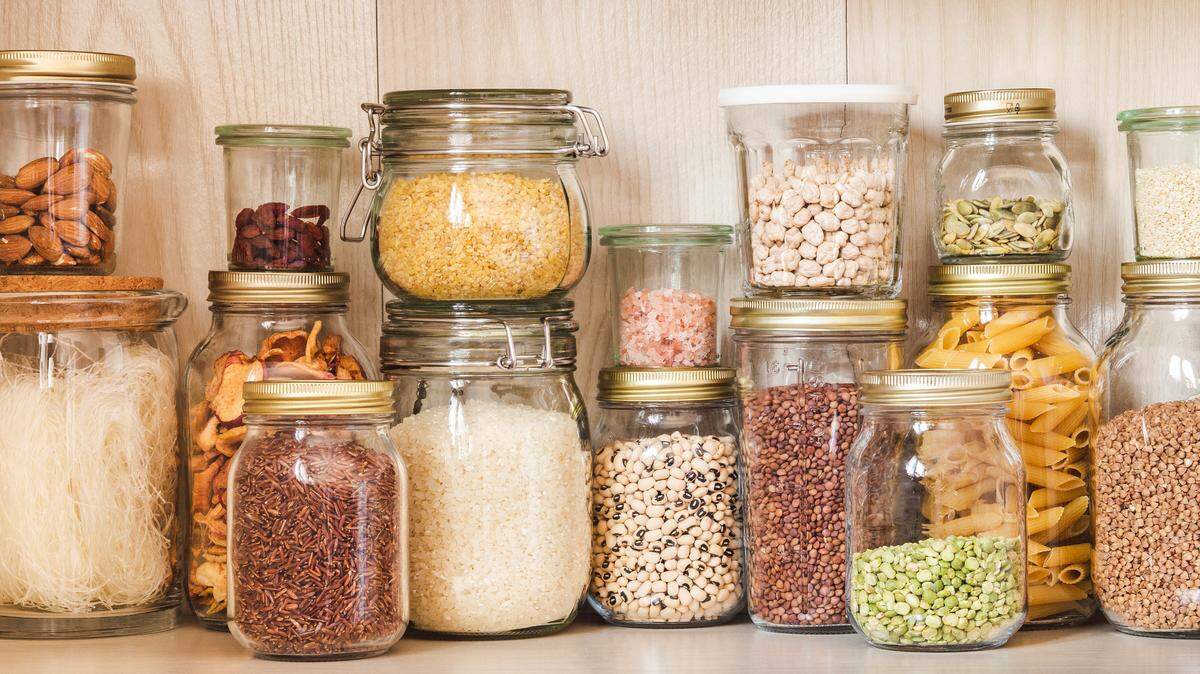
Here’s what actually changes the equation: it doesn’t start with recipes. It starts with your pantry. When the right ingredients are already at home, a decent meal becomes the path of least resistance, not another item on an impossible to-do list. Think of your pantry as a system, not a shopping list. Build it once, maintain it casually, and you have the building blocks for dozens of quick, affordable meals without a weekly planning session.
Two or Three Oils Handle Everything
You don’t need a dozen bottles. Extra virgin olive oil is the workhorse, rich in oleocanthal, a compound with anti-inflammatory properties comparable to low-dose ibuprofen, according to Harvard T.H. Chan School of Public Health. Use it for sautéing, roasting up to around 375 to 400°F, dressings and finishing dishes.
Avocado oil handles high-heat cooking with a smoke point around 520°F, making it ideal for stir-fries and searing. It’s rich in monounsaturated fats and lutein, which supports eye health, and its neutral flavor works across cuisines.
Coconut oil is more of a specialist. Research on its metabolic benefits remains mixed, and it’s higher in saturated fat than olive or avocado oil. It works well for baking and certain cuisines like Thai or Indian cooking, but it’s not the right everyday fat.
Cheap Flavor Builders That Replace Takeout Seasoning
When you need a basic chicken breast or a bowl of rice to actually taste like something, you need flavor builders. The best ones are shelf-stable and inexpensive.
Vinegars are calorie-free and reduce the need for excess salt, sugar and heavy sauces. Apple cider vinegar contains acetic acid, and some studies suggest modest blood sugar regulation benefits when consumed before or with meals — Cleveland Clinic offers a grounded look at what the evidence shows. It also works as a meat tenderizer and dressing base.
Balsamic adds depth to roasted vegetables, salads and proteins. Watch for added sugar in cheaper versions. Red wine vinegar is excellent for quick-pickling, which takes minutes and adds vivid flavor across an entire week of meals.
Coconut aminos deserve a spot on every family’s shelf. Made from fermented coconut sap, they contain roughly 90mg of sodium per teaspoon compared to about 280mg in regular soy sauce. They’re gluten-free, mildly sweet and now available at most major grocery retailers. A splash transforms stir-fries, grain bowls, marinades and dipping sauces instantly. Tamari is another solid option, a wheat-free soy sauce alternative with a richer, less salty flavor.
Spices That Turn Five Ingredients Into Different Meals All Week
A handful of spices can make the same base ingredients taste completely different every night.
Turmeric contains curcumin, studied extensively for anti-inflammatory properties. Pair it with black pepper to meaningfully increase absorption. Cumin supports digestion and anchors Middle Eastern, Mexican and Indian dishes. Smoked paprika adds depth and color without heat, which matters when cooking for kids with sensitive palates. Red pepper flakes deliver metabolism-supportive capsaicin without sodium. Cinnamon supports blood sugar regulation and works in both sweet and savory cooking.
Fresh garlic contains allicin, a sulfur compound with well-documented antimicrobial and cardiovascular benefits. On nights when peeling and mincing isn’t happening, garlic powder and onion powder close the gap well. Dried oregano, thyme and rosemary round out the shelf with antioxidant-rich Mediterranean flavor.
Use kosher or sea salt over iodized table salt and season with intention. When you’re layering flavor through spices and aromatics, you need less salt than you think.
Starches and Grains That Stretch Your Grocery Budget
This is where a stocked pantry pays for itself.
Potatoes are one of the most nutrient-dense foods per dollar, high in potassium, vitamin C and B6. Sweet potatoes last three to five weeks stored properly and are rich in beta-carotene and fiber. One detail worth knowing: cooked-then-cooled potatoes develop resistant starch, which feeds beneficial gut bacteria. That batch of roasted potatoes from Sunday is actually doing something good for your family when you reheat it Wednesday night.
White rice is quick-cooking and a neutral base for practically anything. Brown rice offers more fiber and micronutrients but takes about 45 minutes, so batch cooking on the weekend is the practical move. Whole wheat pasta adds fiber over refined versions. Chickpea or lentil pasta delivers higher protein and a lower glycemic index while staying gluten-free. Rice noodles cook fast and work across Asian-inspired dishes, which matters on a Tuesday night.
The Budget Protein Most Families Overlook
Canned and dried legumes are among the most versatile, affordable items you can keep on a shelf. Canned chickpeas and black beans are ready to use straight from the can. Lentils require no soaking and cook in 20 minutes, faster than most delivery estimates. Toss them into soups, grain bowls, tacos or pasta sauce for a protein-rich, filling meal at almost no cost.
Frozen Vegetables Cut Food Waste and the Guilt That Comes With It
Frozen vegetables are nutritionally comparable to fresh and are often frozen at peak ripeness to lock in nutrients. The Academy of Nutrition and Dietetics has addressed the fresh vs. frozen question directly. Frozen spinach, peas, edamame, broccoli, cauliflower and corn require no washing, no chopping and no discovering a rotten bag of greens you forgot about. They’re ready when you are. Pair them with pantry-stable produce, garlic bulbs, yellow onions and shallots last two to four weeks at room temperature, and you have the vegetable half of your plate handled without a mid-week store run.
More Items Worth the Shelf Space
Canned tomatoes, whole, diced or crushed, form the base for dozens of sauces and soups. Low-sodium chicken or vegetable broth elevates grains and braises. Nut butters like almond, peanut and tahini provide healthy fat and protein and work well in sauces and snacks. Canned tuna, salmon and sardines are omega-3-rich shelf-stable proteins worth rotating in regularly. Honey and maple syrup are natural sweeteners with trace minerals that hold up better in cooking than refined sugar.
Start With Just 10 Items
If the full list feels like a lot, these cover fats, flavor, starches, protein and produce and nearly all keep for weeks or months: extra virgin olive oil, garlic powder and onion powder, canned chickpeas or black beans, dried lentils, rice (white or brown), canned diced tomatoes, frozen broccoli or spinach, potatoes, broth, and smoked paprika with cumin. With those on hand, you can make lentil soup, a rice and bean bowl, roasted potatoes with broccoli, a simple pasta sauce or a quick stir-fry. No recipe required.
Building a pantry isn’t a weekend project. It’s grabbing one or two extra shelf-stable items each time you’re already at the store. Over a few weeks, those small additions stack up, and the next time everything goes sideways at 6 p.m., you’ll open the cabinet and see dinner instead of reaching for a delivery app.
This article was created by content specialists using various tools, including AI.