The One Free Thing You Can Do Tonight That Could Help You Sleep Faster
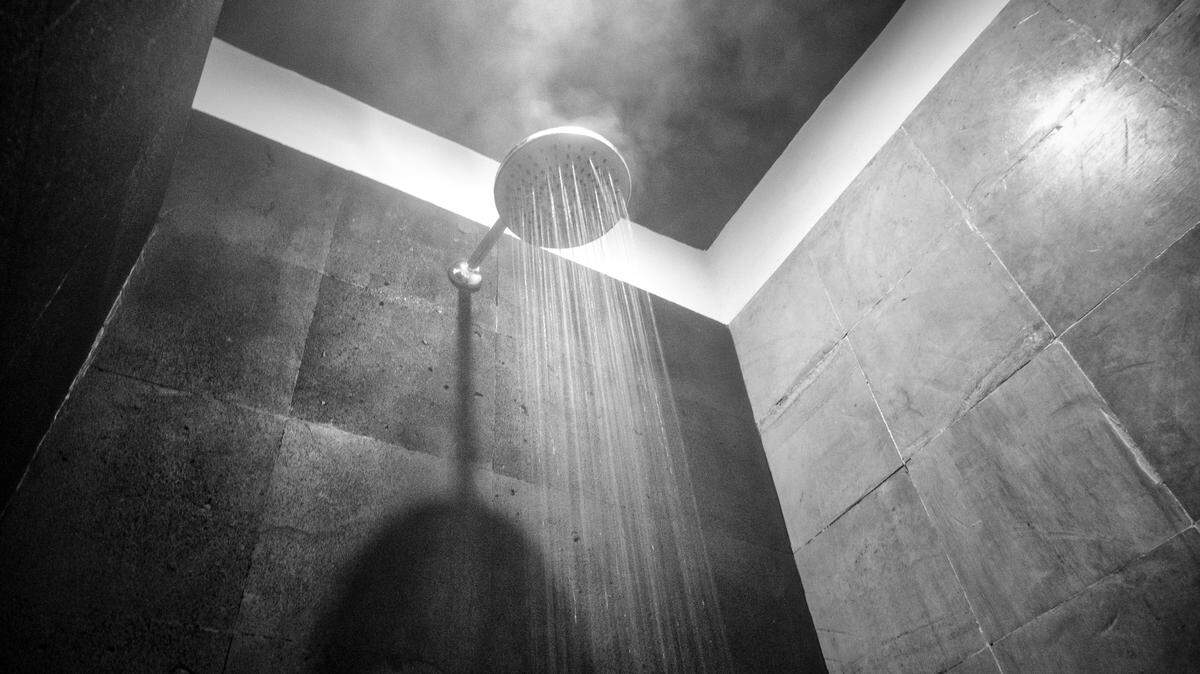
Dark showering — taking a warm shower in very low light or complete darkness before bed — became one of the most talked-about free sleep hacks on TikTok and Instagram in late 2025, and it is still gaining traction in early 2026.
The concept is straightforward. Dim the overhead lights, use a candle or low amber light, leave your phone out of the bathroom and spend 15 to 20 minutes in warm water about 60 to 90 minutes before bed. No products, no subscriptions, no equipment. It costs nothing, which likely explains a good portion of its appeal.
The science behind it rests on three separate biological responses that have each been studied independently, though no single trial has tested them together as a combined intervention.
Light, Melatonin and Your Bathroom Bulbs
Bright bathroom lighting, especially the cool white LEDs common in most homes, suppresses melatonin and signals the brain that it is still daytime. A 2025 crossover trial found cool white LED exposure before bed delayed sleep onset by about 10 minutes compared to softer lighting. A 2025 systematic review found dimmer, warmer lighting increases heart rate variability, a marker of a calmer nervous system.
The Temperature Drop That Triggers Sleep
A 2019 meta-analysis of 13 trials found roughly 10 minutes in warm water one to two hours before bed shortened time to fall asleep by about nine minutes. The mechanism: warm water raises skin temperature, and when you step out, the resulting core temperature drop signals the brain to release melatonin and begin sleep onset.
Sensory Reduction and Cortisol
Removing visual stimulation activates the parasympathetic nervous system and reduces cortisol. A 2024 analysis found the sound of running water lowers cortisol and stabilizes heart rate more effectively than silence. The combination of warmth, darkness and water noise may be doing more than any one element alone.
Dr. Daniel Amen, a psychiatrist and brain imaging specialist, told Fox News that low or no light signals safety to the brain and activates the body’s natural shift into rest and repair mode. Dr. W. Christopher Winter, a neurologist and sleep specialist, validated the broader principle via Today.com while noting the specific research remains “thin.”
The Caveat Most Posts Leave Out
No large trial has directly compared dark showers with brightly lit showers measuring objective sleep outcomes. The case is built from combining related evidence, not from studies of dark showering itself. And per The Conversation, if the shower is followed by full bright lighting for blow-drying or getting ready, the benefit is largely undone. The darkness only works if you stay in low light afterward. That is the detail most social media posts skip entirely.
For people with mobility issues, anxiety or trauma histories, complete darkness may not be appropriate. A low amber light or candle works well as a middle ground.
To try it: dim or turn off overhead lights 60 to 90 minutes before bed, keep the shower warm for 15 to 20 minutes, leave your phone out of the bathroom and follow with low lighting throughout the home rather than returning to full brightness.
The individual mechanisms each have real research behind them. The combined protocol has not been studied yet. But at zero cost and minimal risk for most people, dark showering ranks among the more credible free wellness trends to emerge from social media this cycle.
This article was created by content specialists using various tools, including AI.