Strange Creatures From the Deep: Scientists Discover More Than 110 New Species in Australia’s Coral Sea
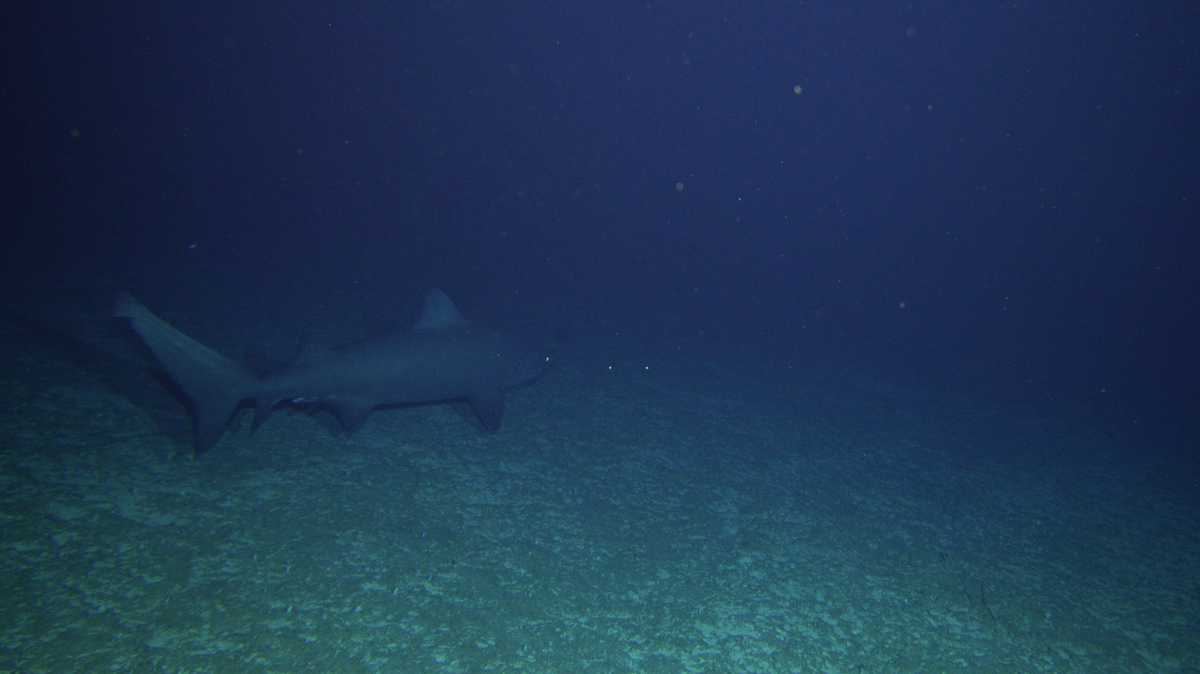
Imagine a shark so dark and soft-bodied it seems to dissolve into the blackness of the deep ocean. Or a fish with a rat-like tail, a plump nose and a big spine rising above its dorsal fin — a creature so otherworldly it’s earned the nickname “ghost shark.”
These are among more than 110 new fish and invertebrate species that marine scientists have discovered in the Coral Sea, with that number expected to exceed 200 as identification work continues.
The discoveries were brought together by CSIRO, Australia’s national science agency, and The Nippon Foundation-Nekton Ocean Census. Taxonomists identified fish and invertebrates collected late last year by scientists on board the CSIRO research vessel Investigator.
A 35-Day Voyage Into the Unknown
The new-to-science species — including brittlestars, crabs, sea anemones and sponges — were collected during a 35-day voyage on the CSIRO’s Investigator, which set sail from Brisbane last October. The vessel traveled as far as Mellish Reef, about 1,000km off the Queensland coast.
The species were found in waters between 200 metres and 3km deep in the Coral Sea marine park, Australia’s largest marine protected area, which spans nearly 1m sq km to the east of the Great Barrier Reef.
Dr. Will White, a shark expert and the CSIRO voyage chief scientist, said the expedition set out to learn more about the area’s deepwater biodiversity, for which there was “very limited data.”
Specimens collected on board were subsequently identified during what White believes were “likely the largest taxonomic workshops of marine animals ever undertaken in Australia.”
Ghost Sharks, Catsharks and Stingarees
White himself identified four new species — a new skate, ray, deepwater catshark and chimaera, also known as a ghost shark. Each creature offers a window into how life has adapted to the crushing pressures and perpetual darkness of the deep.
The ray species, found on the Kenn Plateau about halfway between Australia and New Caledonia, was a type of stingaree in the genus Urolophus. The animals were like stingrays, White said. “They’ve got a relatively long tail but then they’ve got a caudal fin at the end.”
The new deepwater catshark, in the genus Apristurus, was a tropical species. “They’re very dark-bodied, they’re almost flabby – truly deepwater things, very slow moving, [with] lots of little teeth,” White said.
Another discovery was a new chimaera — a type of animal related to sharks and rays, which have cartilaginous rather than bony skeletons. The animals have a “rat-like tail, quite a plump nose, and a big spine above the dorsal fin.”
A Hidden World of Invertebrates
The voyage didn’t just reveal remarkable fish. Dr. Claire Rowe, the marine invertebrates collection manager at the Australian Museum, said invertebrate specialists on board the Investigator photographed and took tissue samples of the newly collected animals.
She said many invertebrates, including jellyfish, were cryptic — difficult to identify based on physical characteristics alone. “There does look like there’s some new species of anemones, which is quite exciting,” she said.
Scientists were conducting further genetic testing from tissue samples to confirm what collected specimens were new to science.
Why These Discoveries Matter Now
Such marine expeditions were important, Rowe said, because “so little is known about the deep sea.”
“It’s such an unexplored area, and with so many threats to our ocean, such as overfishing and climate change and deep sea mining, we need to understand what’s out there before it’s lost.”
The urgency is real. The Coral Sea is almost half a degree warmer than it was 30 or 40 years ago, climate scientists say. The sea surface temperatures there over both the last summer and calendar year have been the hottest on record.
Samples from the voyage have been shared around the country, held in collections including at the CSIRO, the Australian Museum and state museums — ensuring these deep-sea discoveries are preserved for scientists and curious minds alike.
This article was created by content specialists using various tools, including AI.