How Scientists Found 10 New Moth Species and Multiple Genera in the Hawaiian Islands
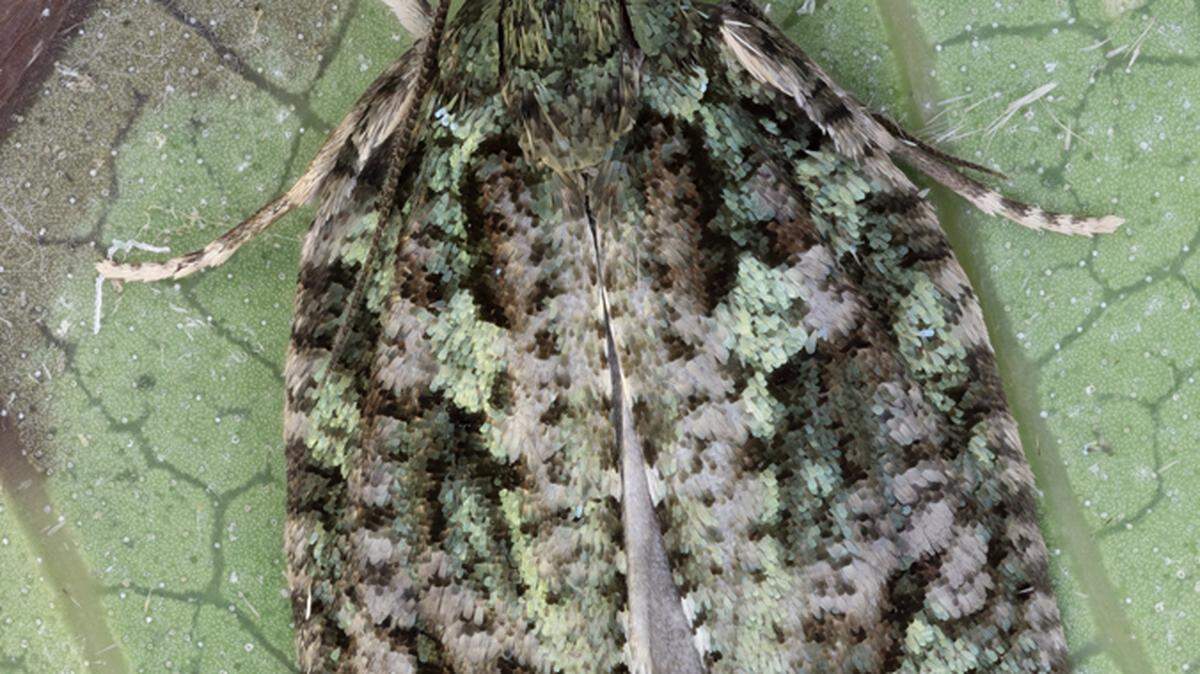
Researchers at the University of Hawaiʻi at Mānoa have identified 10 new species and seven new genera of Hawaiian leaf-roller moths — a discovery that reveals previously undocumented biodiversity in the islands even as some of these creatures teeter on the edge of extinction.
The research was conducted by graduate student Kyhl Austin and Professor Daniel Rubinoff through the university’s College of Tropical Agriculture and Human Resilience (CTAHR), specifically its Entomology Section. The study was posted in Zootaxa in February 2026.
A Rare Find, Even for Scientists
While new species are regularly identified, the classification of a new genus is rare. Identifying seven new genera in a single study is considered highly unusual.
The newly identified moths include species with diverse characteristics, including some with brightly colored, iridescent wings. One species from Hawaiʻi Island may be the largest known member of its family.
Leaf-roller moths are named for their association with host plants, including the endangered ʻiliahi (sandalwood), which many of these species depend on.
Crossing Thousands of Miles of Open Ocean
Hawaiian leaf-roller moths are among the most successful long-distance colonizers of any native Hawaiian animals, according to the research. Evidence suggests they arrived through as many as 20 independent natural colonization events over several million years.
“Hawaiʻi is a world-renowned laboratory for evolution, but these moths have been hiding their true history in plain sight,” lead author Kyhl Austin said.
“By identifying these seven new genera, we are showing that these insects crossed thousands of miles of open ocean to reach Hawaiʻi far more frequently than we ever imagined.”
Names Rooted in Hawaiian Culture
The study reorganizes previously misclassified species and establishes new classifications to better reflect evolutionary relationships. Several newly proposed names reflect Hawaiian ecology and culture.
One newly established genus, Iliahia, is named after the endangered sandalwood plant (ʻiliahi), which serves as a host for these moths. A species within this genus, Iliahia pahulu, is considered critically endangered and is known only from a small grove of approximately 30 sandalwood trees on Lānaʻi.
Other newly described species include Paalua leleole, which exhibits a rare flightless form in females, and Iliahia lilinoe, named after the goddess of mists associated with Haleakalā.
Already Disappearing
Many of the newly identified species are already threatened due to habitat loss and declines in their host plants. Some species described in the study have not been observed in the wild for more than 100 years and are considered “presumed extinct.”
Researchers emphasize that protecting these species will require habitat restoration and the removal of invasive species.
Professor Daniel Rubinoff called the discovery a “testament to what was here and what we’ve lost.”
“We are naming species just as they are disappearing,” he said.
New Imaging Tools Aid Conservation
The team used advanced “automontage” photography to create detailed, 3D-like images of specimens to support identification and future conservation work. These images are intended to assist conservationists and researchers in identifying rare species in the field and supporting future biodiversity studies.
The detailed visual records could prove critical for a simple reason: if scientists and conservationists cannot identify a species, they cannot protect it. With some of these moths clinging to survival in only the most fragile habitats, the research offers both a window into Hawaiʻi’s deep evolutionary history and an urgent call to preserve what remains.
This article was created by content specialists using various tools, including AI.
This story was originally published April 6, 2026 at 4:00 PM.