Why Post-Meal Blood Sugar Spikes May Matter More Than A1C for Heart Health
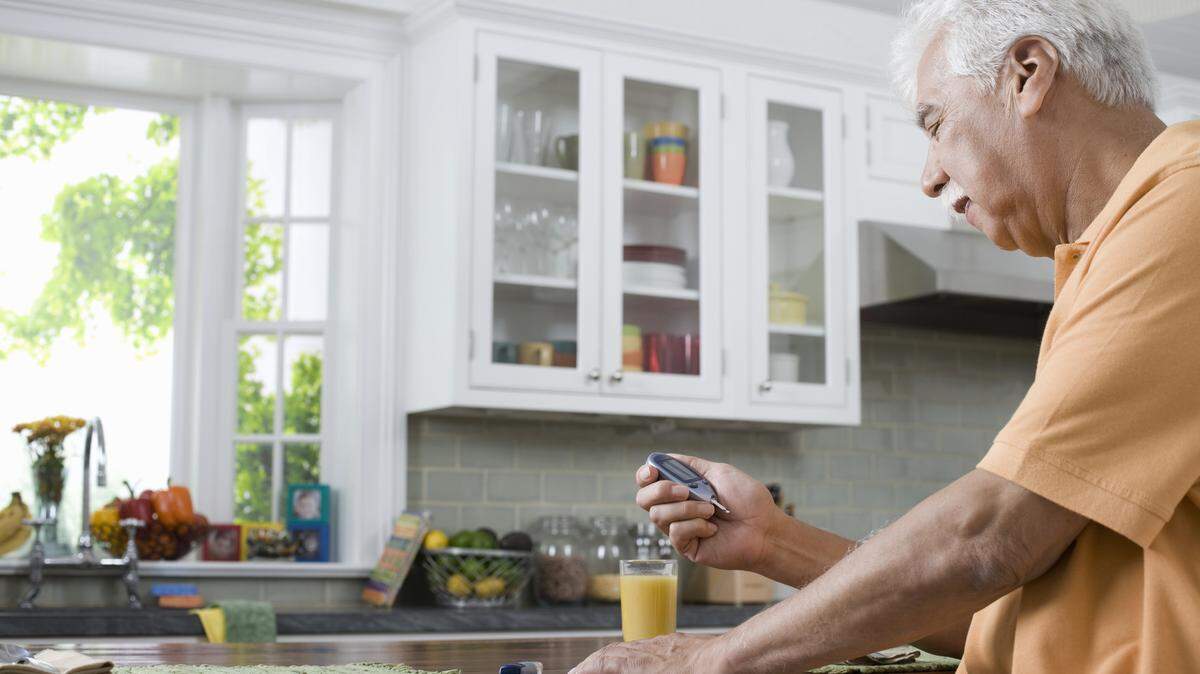
If you or someone you care for has been told their A1C looks fine, that may not tell the whole story. A growing body of research suggests that what happens to blood sugar after meals could be a more meaningful signal of cardiovascular risk than average blood sugar alone.
What Happens During a Glucose Spike
A glucose spike is a rapid rise in blood sugar after eating, typically peaking about 75 minutes after a meal. Everyone experiences them, and they’re completely normal. But the size and frequency of those spikes matter more than most people realize.
Two meals with identical calorie counts can produce very different insulin and glucose responses depending on what’s in them, how much fiber they contain and even the order you eat the food groups. Calorie counting alone misses a critical part of the metabolic picture.
Why Repeated Spikes Raise Heart Risk
Repeated large glucose spikes drive oxidative stress, vascular inflammation and early-stage atherosclerosis, and this damage occurs regardless of what your average glucose levels look like. Your fasting glucose or A1C could look reassuring on paper while a pattern of post-meal spikes quietly contributes to blood vessel damage.
A 2026 scoping review confirmed that glucose spikes can cause endothelial dysfunction and inflammation even in people without diabetes. The concern isn’t the occasional post-birthday-cake rise. It’s chronic, repeated spikes over time.
What This Means (And What It Doesn’t)
Glucose variability in healthy people is still a developing area of science, and researchers are careful to note that more long-term data is needed. Isolated spikes aren’t harmful. But if you or a parent already has risk factors for heart disease, this distinction is worth bringing up with your doctor.
Simple Ways to Reduce Post-Meal Spikes
The encouraging news is that several practical, low-cost adjustments can make a real difference. Eating vegetables or protein before carbohydrates changes how quickly sugar enters the bloodstream. A short walk after a meal can meaningfully blunt a spike. Pairing carbs with healthy fat or fiber slows digestion and smooths out the glucose curve. And cutting back on liquid sugars like juice and soda eliminates some of the sharpest spikes, since those drinks get absorbed rapidly.
Tracking Glucose Is Getting Easier
The FDA cleared the first over-the-counter continuous glucose monitor in 2025, making it possible for people without diabetes to track glucose patterns at home. Whether a CGM makes sense for you is a conversation for your physician. But the core takeaway from this research is straightforward: paying attention to how your blood sugar behaves after meals, not just what your lab averages say, may be one of the most important things you can do for long-term heart health.
This article was created by content specialists using various tools, including AI.