
How to Safely Power Wash Your Home: Pressure Washing Tips to Protect Siding, Windows and Paint
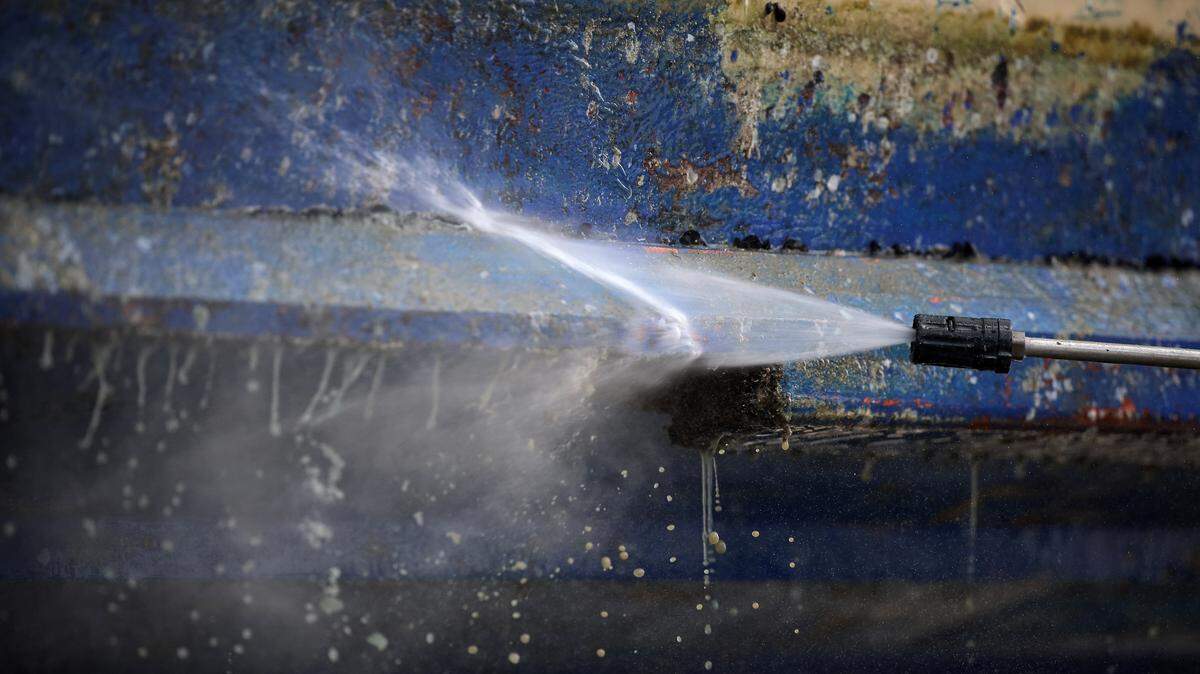
You bought or rented the pressure washer. You’re ready to blast away a year’s worth of grime. But before you pull that trigger, know this: the difference between a sparkling exterior and costly damage comes down to a few decisions most people skip entirely.
Power washing your home is one of those projects that looks simple but punishes shortcuts. The wrong nozzle, the wrong angle or too much pressure can peel paint, gouge wood and force water behind your siding. Here’s how to do it right.
Prep Before You Spray
This step is easy to skip and expensive to regret. Before you touch the washer, close all windows and doors tightly. Cover outlets, lights and vents with plastic sheeting. Move outdoor furniture, grills and décor out of the spray zone.
One move most people miss: wet down your plants and landscaping first. This protects them from cleaning solutions that could otherwise cause damage.
Match the Pressure to the Surface
This is where damage happens. Different materials need different PSI levels, and treating everything the same is the fastest way to ruin something.
Vinyl siding: 1,200–2,000 PSI (low to medium pressure) Wood siding: 1,200–1,500 PSI (low pressure) Brick and concrete: 2,500–3,000 PSI (higher pressure is okay here)
Your nozzle choice matters just as much. The 25° green nozzle works for general cleaning. The 40° white nozzle is your best bet for delicate areas. Avoid the 0° red nozzle — it’s too strong and can cause serious damage.
Best Pick Reports breaks down the full nozzle system: “A red tip is the narrowest angle—zero degrees. This tip creates a water stream that can do a lot of damage, so be careful. Yellow tips create a spray with a 15-degree angle. Reach for this nozzle when you need to pressure wash concrete around your house. A green tip produces a 25-degree spray. This works well for all-purpose household pressure washing. Perhaps the most user-friendly nozzle, a white tip produces a 40-degree spray. A white-tipped nozzle is suitable for windows and siding. Producing a spray angle of 65 degrees, a black nozzle is the gentlest.”
Use the Right Cleaner
Water alone often isn’t enough. Use a house-safe detergent for siding and apply it with a low-pressure soap nozzle. Avoid harsh bleach mixes unless they’re specifically labeled safe for exterior use. Let the cleaner sit for 5–10 minutes, but don’t let it dry on the surface.
The Technique That Separates Good Results From Damage
Here’s the part most tutorials bury: direction and angle matter more than pressure.
Always spray at a downward angle. Never spray upward — this forces water behind your siding and can cause moisture damage inside your walls. Keep the nozzle about 2–3 feet away from the surface to start. Use smooth, sweeping motions and work in sections rather than randomly spraying.
When applying soap, work from bottom to top. This prevents streaking. When rinsing, work from top to down. This lets gravity do the work and removes dirt and cleaner cleanly.
Surfaces That Demand Extra Caution
Some areas around your home need a lighter touch:
- Windows: Use low pressure with a wider nozzle
- Painted surfaces: Too much pressure peels paint
- Wood: Can gouge or splinter easily under high pressure
- Roof: Usually don’t power wash at all — it can damage shingles
Home Depot offers additional safety guidance: “Use a tarp or plastic covering over shrubs and garden plants. Secure the tarps in place with duct tape. Never drive water directly into gaps or cracks in your home’s exterior. Patch cracks and holes in mortar and brick. Keep your pressure washer wand at least 6 feet away from electrical wires and never spray water into outlets. Cover electrical sockets with duct tape or close the covers prior to washing. Pre-scrub the exterior with a scrub brush or spray with a garden hose to remove any dirt, debris or mildew. Never point a pressure washer at other people or pets.”
Five Mistakes to Avoid
If you remember nothing else, dodge these common errors:
- Spraying upward under siding. This is the single most common cause of hidden moisture damage.
- Cranking pressure to save time. Higher PSI doesn’t mean faster results — it means faster damage.
- Standing too close. Start at 2–3 feet and adjust from there.
- Skipping detergent. Water alone won’t handle mildew, algae or built-up grime.
- Hitting delicate areas aggressively. Window seals and trim need a gentle approach.
The Takeaway
Power washing is one of the highest-impact home maintenance tasks you can do yourself — if you respect the process. Match your pressure and nozzle to the surface, nail the direction and angle and take your time around vulnerable spots. The payoff is a home exterior that looks professionally cleaned without the professional price tag.
This article was created by content specialists using various tools, including AI.