What Really Happens When You Add Fermented Foods to Your Diet Every Week
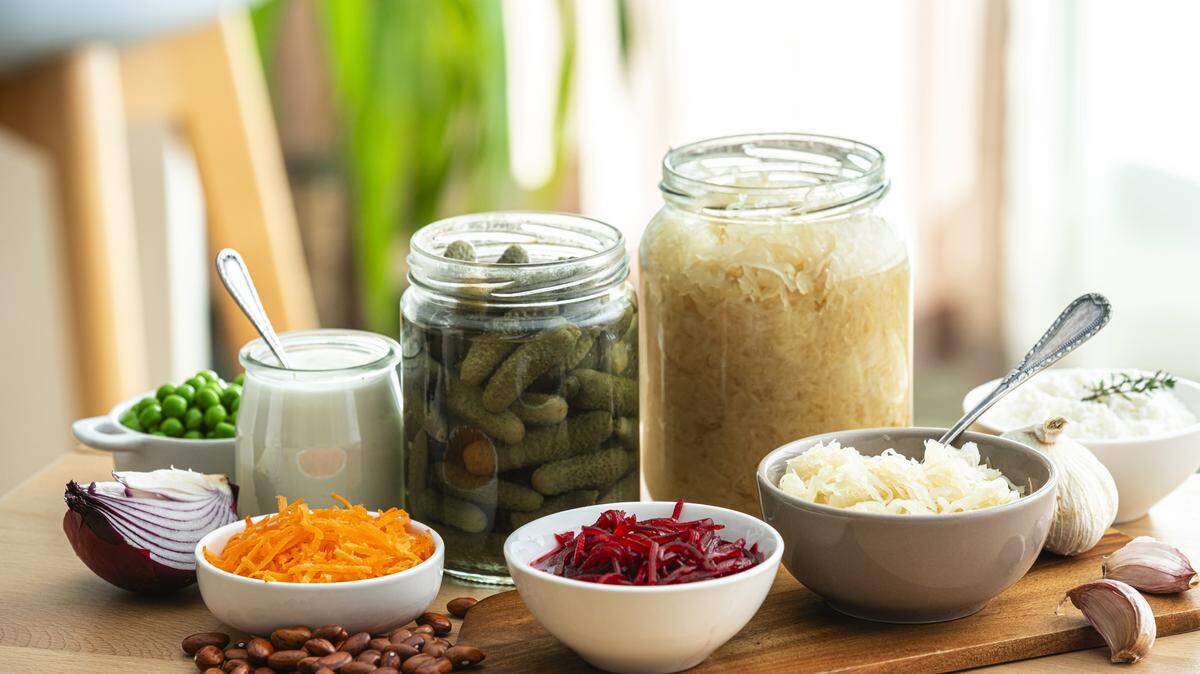
Fermented foods have gone from niche health store finds to mainstream grocery staples in 2026, and your social feed is probably full of people crediting kimchi and kefir for everything from clearer skin to better energy. But how much of it holds up under actual scrutiny? More than you’d think.
The Science Behind the Hype
The most referenced study in this space comes from Stanford, where researchers put 36 healthy adults on either a high-fermented-food or high-fiber diet for 10 weeks. The fermented food group saw their gut microbial diversity increase while 19 inflammatory proteins decreased, including interleukin-6, which is associated with conditions like type 2 diabetes and rheumatoid arthritis. Surprisingly, the high-fiber group didn’t experience the same anti-inflammatory benefits.
Researcher Justin Sonnenburg, PhD, described it as “one of the first examples of how a simple change in diet can reproducibly remodel the microbiota across a cohort of healthy adults.”
That was 2021. The data has only gotten stronger since. A 2025 meta-analysis published in Frontiers in Nutrition pulled together 19 randomized controlled trials covering over 4,300 people and confirmed that fermented foods improve bowel regularity, stool consistency and transit time while reducing bloating. Another 2025 study found that eating fermented vegetables like kimchi increased butyrate-producing bacteria and improved cellular health markers.
What Changes You Can Actually Feel
The first thing most people notice is digestion. Things move more regularly, bloating decreases and your stomach generally feels less chaotic once your gut adjusts. Behind the scenes, your gut microbiome is diversifying, which research links to stronger immunity and lower risk for chronic conditions like obesity and diabetes.
Your body also starts absorbing nutrients more efficiently. Fermentation breaks down compounds called phytates and lectins that normally block mineral absorption in foods like beans and grains. And since roughly 70% of your immune system lives in your gut, a healthier microbiome means your immune response gets more balanced over time.
Your Sourdough Toast Doesn’t Count
Here’s where it gets important. Not everything labeled “fermented” still contains live beneficial organisms. Sourdough bread, beer, wine and most shelf-stable pickles have been heated or filtered, which kills the cultures you’re after.
The foods that deliver the researched benefits: yogurt with live active cultures, kefir, sauerkraut, kimchi, kombucha, miso, tempeh and fermented pickles brined in salt water rather than vinegar. If it’s sitting on a shelf unrefrigerated, the live cultures are almost certainly gone. Look for “live and active cultures” on the label and stick to the refrigerated section. Stanford Medicine built an entire public resource called “Fermenting the Facts” in 2025 specifically to help people tell the difference.
A Realistic Way to Start
The biggest mistake people make is going all-in on day one and then blaming fermented foods when their stomach rebels. Stanford’s guidance is clear: start slow. Even the trial participants experienced bloating during the ramp-up phase before it resolved.
Week 1 to 2: One serving per day of something approachable. A cup of yogurt with breakfast or a forkful of sauerkraut on top of whatever you’re already eating. Always pair fermented foods with a meal rather than eating them solo on an empty stomach.
Week 3 to 4: Introduce a second serving and start rotating. Alternate between dairy-based options like yogurt or kefir and vegetable-based ones like kimchi or sauerkraut. Variety exposes your gut to different strains of beneficial bacteria, which is where the diversity benefit comes from.
Week 5 onward: Build toward the Stanford study range of 3 to 6 daily servings. That sounds like a lot, but a cup of yogurt at breakfast, a kombucha with lunch and some kimchi at dinner gets you to six without overhauling your entire diet.
Before You Go All In
Some people need to be more cautious. If you have IBS, start with very small portions and pay attention to how your body responds. Fermented foods can be high in histamine, which becomes a more common sensitivity as you get older. Dairy-intolerant? Start with miso or tempeh instead of yogurt. If you’re immunocompromised, talk to your doctor before adding unpasteurized fermented foods to the mix.
The research on fermented foods is real, recent and growing. You don’t need to overhaul your fridge overnight. One serving, consistently, is enough to get started. Your gut will take it from there.
This article was created by content specialists using various tools, including AI.