How Dogs and Cats Are Helping Invasive Flatworms Spread Across Neighborhoods
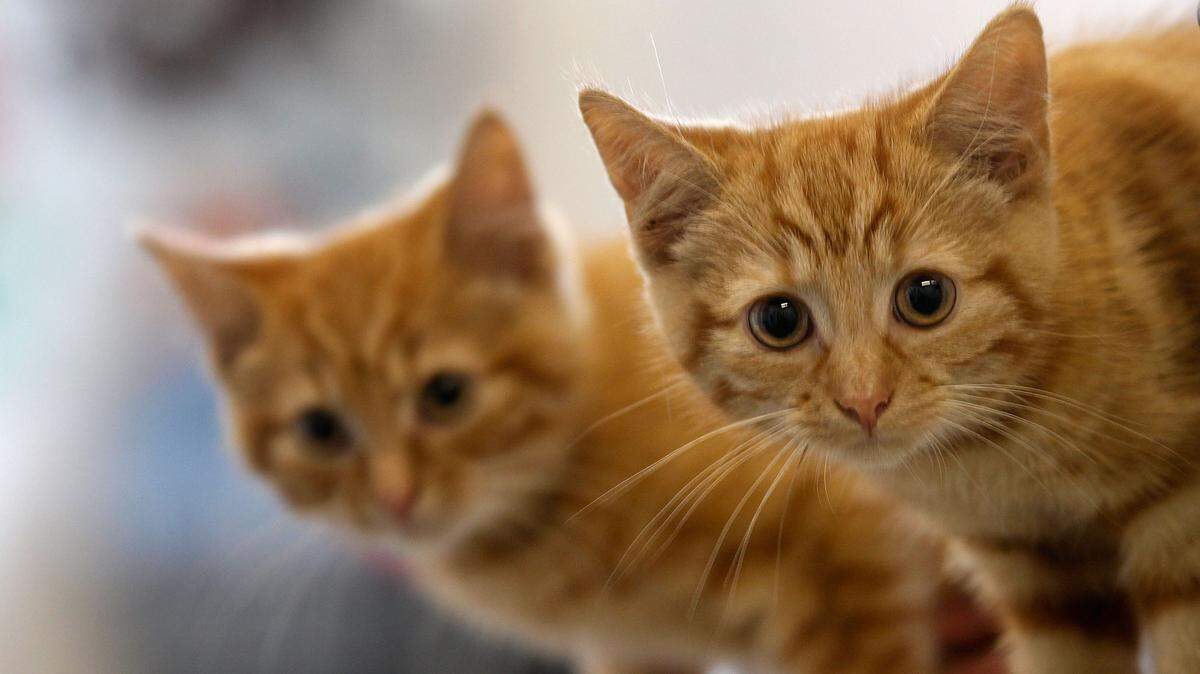
Here’s a trend you probably haven’t seen coming: that slimy thing stuck in your cat’s fur after a trip outside might be an invasive flatworm — and your pet could be helping it colonize new territory.
A study published in PeerJ documents something researchers have been piecing together from citizen reports across France. Dogs and outdoor cats are acting as unwitting vehicles for an Australian flatworm species called Caenoplana variegata, carrying it between gardens and neighborhoods on their fur.
What’s Actually Happening
Parasitologist Jean-Lou Justine at the French National Museum of Natural History identified a recurring pattern across pet owner reports. The study documented 15 pet-related incidents involving 13 cats and two dogs. Owners typically noticed the worms only after their pets returned indoors.
One owner in southwestern France reported, “They cling to the hair of my Persian cats,” while another described removing one with tweezers, saying, “It was very slimy, stuck in the fur.”
The flatworm’s secret weapon is its mucus — a sticky coating it uses for movement and adhesion that helps it grip animal fur. Among roughly ten introduced flatworm species recorded in France, this Australian species was the only one consistently found hitching rides on pets.
Why This Matters More Than You’d Think
This isn’t a parasite situation. The flatworm doesn’t feed on or live within your pet. Researchers categorize these interactions as phoresy — one organism using another purely for transportation. Veterinary response focuses on removal rather than infection treatment.
But the ecological implications are worth paying attention to. Caenoplana variegata preys on small soil-dwelling organisms such as woodlice, insects and spiders that play key roles in maintaining garden ecosystems. It can also reproduce asexually, meaning a single individual transported to a new environment can establish an entire population.
Flatworms typically arrive in new countries through potted plants. Once they land, though, their limited mobility makes it hard for them to spread beyond the original introduction point — unless something carries them. That’s where your pet comes in, ferrying worms across yards, sidewalks and fences to locations the flatworm could never reach on its own.
The Numbers Tell a Story
Between 2020 and 2024, 10 of 137 recorded sightings of this species in France involved pets, representing 7.3% of cases. Across a broader dataset of 447 sightings, the species appeared distributed across the country rather than concentrated in one region — a pattern that pet-assisted transport helps explain.
Researchers note that current records likely underestimate the true frequency. Many instances go unnoticed when worms fall off outdoors or remain undetected in fur.
This Isn’t Just a French Problem
Similar cases of flatworms found on pets have been reported in Australia, the United States, New Zealand and Brazil, suggesting pet-assisted transport is a global pattern.
The trend is gaining institutional attention. In July 2025, the European Union listed three land flatworm species as invasive species of Union concern, reflecting growing awareness of their ecological impact.
Citizen-submitted observations — photographs and reports from everyday pet owners — have played a key role in identifying these patterns, providing researchers with detailed evidence of occurrences that might otherwise go unrecorded.
What You Can Do
If you have outdoor cats or dogs that roam through gardens, a quick fur check when they come inside isn’t a bad habit to build. The worms don’t pose a health threat to your pet, but spotting and removing them could help slow the spread of a species that disrupts the small creatures keeping your garden soil healthy.
It’s a small thing. But as this research shows, small things travel farther than you’d expect.
This article was created by content specialists using various tools, including AI.
This story was originally published April 9, 2026 at 6:30 PM.