Relocated Grizzly Bear Spotted With Cubs Near Yellowstone in Conservation Win
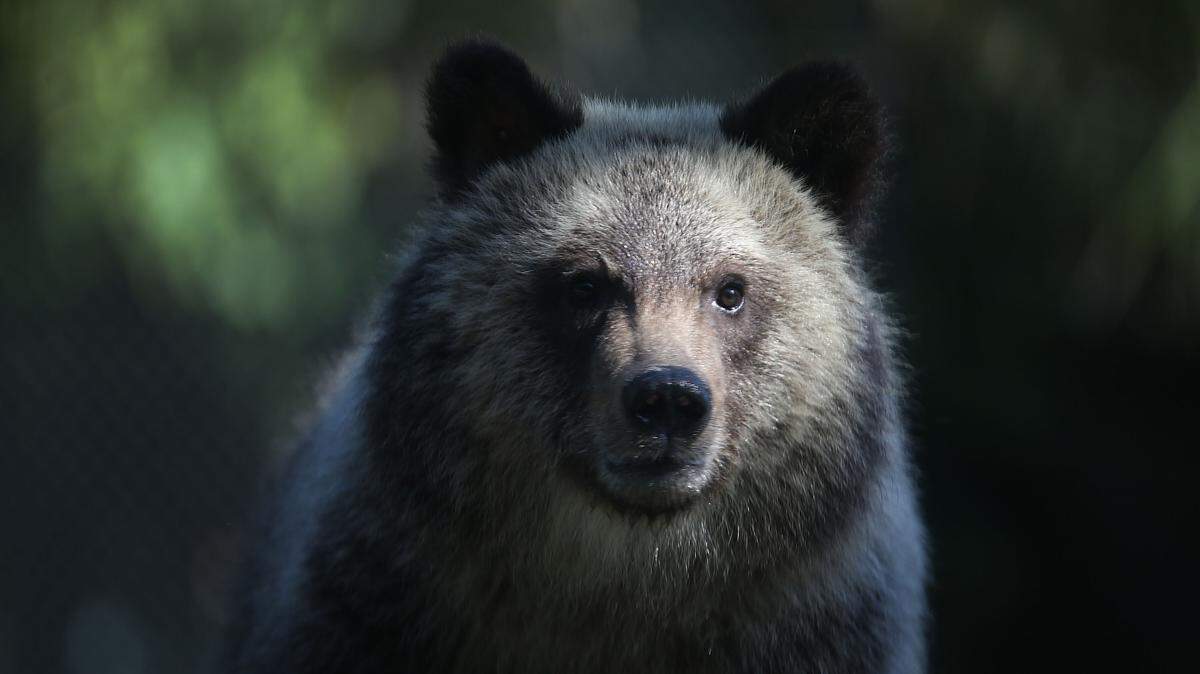
Deep in the rugged backcountry of the Greater Yellowstone Ecosystem, a grizzly bear emerged from her winter den this spring — and she wasn’t alone. Trailing behind her were two newborn cubs, a sight that has wildlife officials celebrating an early victory in a sweeping effort to protect one of the most iconic animals in the American West.
According to an April 8 press release from Montana Fish, Wildlife & Parks (FWP), the female grizzly — originally from the Northern Continental Divide Ecosystem (NCDE) — was observed with her two cubs near her den site after biologists confirmed the sighting during a routine radio-telemetry monitoring flight. The moment was captured in photographs taken from the air, offering a rare and remarkable glimpse of new life in the wild.
A Bear on the Move
The mother bear’s journey to this moment has been anything but ordinary. She was relocated to Wyoming approximately two years ago as part of a 2024 partnership between Montana Fish, Wildlife & Parks, Wyoming Game and Fish Department and Yellowstone National Park. The ambitious initiative aims to strengthen genetic connectivity between grizzly populations in Montana and Wyoming, a key factor in the long-term health of these animals across the Greater Yellowstone Ecosystem.
At the time of relocation, the female bear was approximately four years old — an age at which grizzlies approach reproductive maturity. She was one of two bears transferred during the effort. Her counterpart in the transfer was classified as a subadult.
The cubs are believed to be her first since the move, and their arrival is being hailed as a meaningful conservation milestone.
What This Means for Grizzly Recovery
“This is concrete evidence that Montana and Wyoming are committed to sustaining a recovered population of grizzly bears,” FWP Director Christy Clark said in a statement, adding that the development is “a major success” in efforts to support long-term genetic diversity.
For anyone who has watched a grizzly move through a meadow in Yellowstone or spotted tracks along a backcountry trail, this news underscores the significance of multi-state cooperation in keeping these landscapes wild and connected.
FWP researcher Cecily Costello noted that the timing of the birth aligns with typical grizzly reproduction patterns, as females generally have their first cubs between ages five and six. However, she said there had been uncertainty about this bear’s ability to reproduce given how much ground she covered after being relocated.
“We wondered if that energy expenditure might reduce her chances of reproducing,” Costello noted, “but, from the photo, she appears to be in great condition.”
The Road Ahead for the Grizzly Bear Cubs
While the news is encouraging, wildlife officials emphasized that the challenges are far from over. Annual survival rates for grizzly cubs are just above 50% and can be lower for first-time mothers. The first year of life is a perilous stretch for young grizzlies navigating the vast and unforgiving terrain of the Greater Yellowstone Ecosystem.
“So, we do have to wait and see about the survival of this litter,” Costello said. “Even if this litter does not survive, we expect she will be successful in the future.”
For hikers, campers and visitors planning trips to Yellowstone and the surrounding wildlands, this story is a vivid reminder that the ecosystem is alive and dynamic. Grizzly bear populations are active and expanding, and understanding their behavior — from denning through spring emergence with cubs — is an essential part of staying safe and respectful in bear country.
This article was created by content specialists using various tools, including AI.
This story was originally published April 10, 2026 at 1:30 PM.