A Tiny Spider Smaller Than a Grain of Rice Was Finally Filmed in the Wild for the First Time
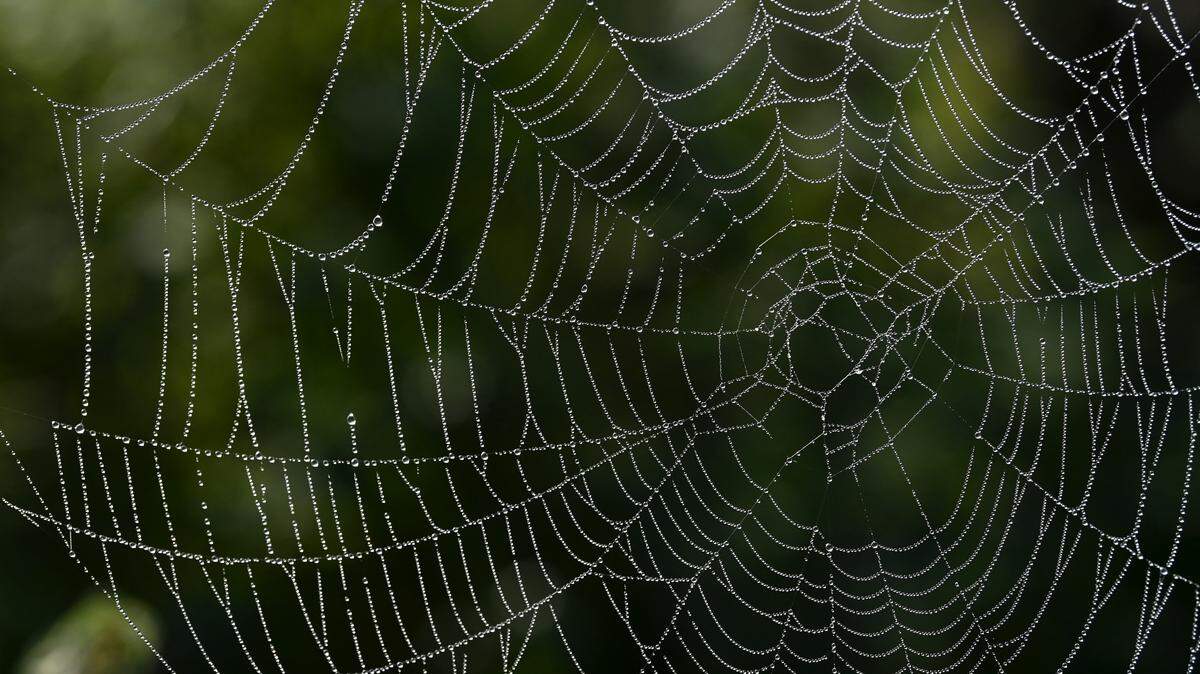
A spider measuring about 3 millimeters has been captured on video for the first time. Cryptodrassus michaeli, a newly identified ground spider in the Gnaphosidae family, was officially described by scientists in Spain in 2024, and the Associated Press released the first-ever video of the species in April 2026. The recording gave researchers their first visual documentation of the arachnid’s behavior, showing it moving across the ground in footage obtained during fieldwork in southern Spain.
The discovery came from surveys in the Cabo de Gata-Níjar Natural Park, a semi-arid landscape in southeast Spain where scientists warn that climate change could push species toward extinction before they are fully documented. Here is what researchers know so far about Cryptodrassus michaeli and why the discovery matters.
What Is Cryptodrassus Michaeli?
Cryptodrassus michaeli is a ground spider in the Gnaphosidae family, a large group that includes approximately 2,500 species. At about 3 millimeters in length, the spider is extremely small, even compared to other members of its family. Its brown and black coloration allows it to blend into soil and leaf litter. Ground spiders as a group are typically nocturnal and range from small to medium in size, often covered in dark, velvety hair.
Jordi Moya-Laraño, a research scientist at the Spanish Research Council, told the Associated Press: “It is a new species and the particularity of this species is that it is very tiny compared to others in their family.”
Scientists report that little is currently known about Cryptodrassus michaeli. Basic aspects of its biology — including its diet, population size and reproductive behavior — have not yet been determined.
Cryptodrassus michaeli was one of three new spiders identified during field surveys, alongside Echemus almeriensis and Zelotes imazigheni. All three were discovered in the same park in southern Spain.
Where Was the Spider Discovered?
Researchers found Cryptodrassus michaeli in the Cabo de Gata-Níjar Natural Park in Almería, a semi-arid region in southeast Spain. The park consists of semi-arid desert, coastal areas and volcanic landscapes, and it was during surveys of this terrain that scientists identified all three new spider species. Researchers obtained footage and specimens through fieldwork that involved searching through leaf litter, overturning rocks and studying specimens in laboratory conditions.
First Video of the Tiny Spider
The Associated Press video, released in April 2026, shows the spider moving across the ground and provides scientists with their first visual documentation of the species’ behavior. The footage marks the first time Cryptodrassus michaeli has been captured on camera. The species was officially described in 2024, but the video represents the first recording of the spider in motion. For the scientists who identified and described the species, the footage offers their first opportunity to observe how Cryptodrassus michaeli behaves.
Why New Spider Species Discoveries Matter
Researchers are studying the Cabo de Gata-Níjar Natural Park’s ecosystems as climate change poses risks to biodiversity in the region, including the possibility that species may become extinct before they are fully documented. Spiders play a role in maintaining ecosystem balance, making their identification and study important for understanding environmental changes. The discovery of three previously unknown spider species during field surveys in the park — Cryptodrassus michaeli, Echemus almeriensis and Zelotes imazigheni — came as researchers continue to study the area’s ecosystems.
This article was created by content specialists using various tools, including AI.