Snack Plates, Kitchen Sink Sandwiches and More: Here’s What Fridge Foraging Actually Looks Like in 2026
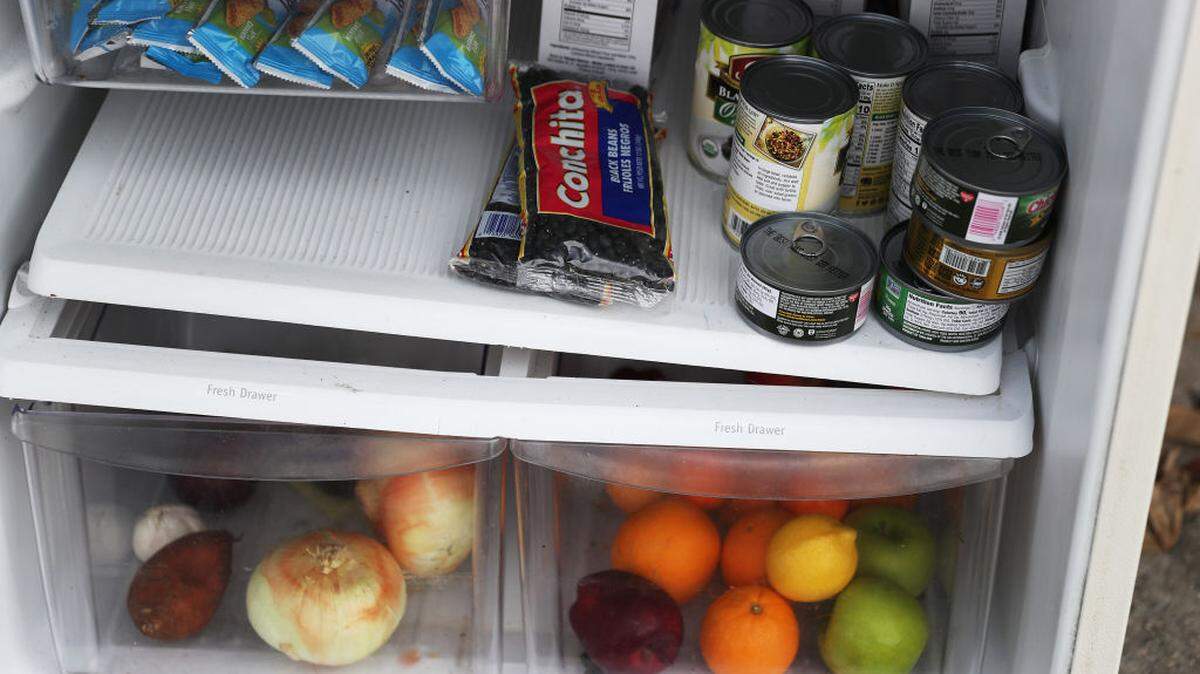
The concept is everywhere right now: kitchen sink sandwiches on TikTok, fridge cleanout grain bowls on Instagram, snack plates reframed as full meals. But fridge foraging, the practice of using up what’s already in your fridge before buying more, isn’t just an aesthetic. It’s a response to a genuinely massive problem, and the data backs it up.
The Numbers Behind the Scroll
The U.S. generated 70 million tons of surplus food in 2024, roughly 29% of the entire food supply, per the 2026 ReFED U.S. Food Waste Report. And despite that scale, there was actually a 2.2% reduction in total surplus food from 2023 to 2024, driven in part by consumers becoming more deliberate about using what they already have.
The EPA’s April 2025 report puts the cost of food waste to a household of four at $2,913 per year. Even if you’re cooking for one or two, that figure represents hundreds of dollars in groceries quietly going bad behind the oat milk.
As of January 2026, nearly two-thirds of consumers remained extremely or very concerned about high grocery prices, and comfort food was the top in-home meal priority for 55% of consumers across generations, per FMI data cited in IFT’s March 2026 food trends report.
Here’s the key insight: ReFED notes that a lack of experience repurposing leftover ingredients is one of the top drivers of household food waste. The issue isn’t laziness or indifference. It’s a skills gap, and closing it might be simpler than you think.
What Fridge Foraging Actually Looks Like
Forget rigid meal plans. Fridge foraging is flexible by design, built around a few adaptable formats that absorb nearly any combination of ingredients.
Fridge cleanout meals are the backbone. Fried rice, frittatas, grain bowls and soups all function as vehicles for whatever protein, vegetables and grains you have on hand. No formal recipe required, just a hot pan and a willingness to improvise.
The kitchen sink sandwich, the TikTok trend that keeps recirculating, takes the same principle and stacks it between bread. Deli scraps, roasted vegetables, that random wedge of cheese, a smear of whatever condiment is closest to empty. It’s satisfying, zero-waste and endlessly variable.
Snack plates offer a no-cook alternative. Cheese, fruit, dips, crackers and leftovers arranged on a board become a legitimate weeknight dinner. Snack-as-meal behavior is up across all generations per IFT and NRA data, which means this isn’t a shortcut. It’s a shift.
Why This Resonates Beyond the Trend
The social media version of fridge foraging is appealing because it looks effortless. The substance underneath is what makes it stick as an actual practice.
Fridge foraging directly addresses the reality of food waste at the individual level, without requiring specialty ingredients, expensive tools or hours of prep. It also meets you where you are financially. With grocery prices still a top concern for most consumers, building meals from what you already bought isn’t just environmentally responsible. It’s economically rational.
The real shift here isn’t learning a new recipe. It’s unlearning the idea that a meal needs to start with a shopping list. Your fridge is already stocked with possibilities. The skill is learning to see them.
This article was created by content specialists using various tools, including AI.