Giant Pandas Return to Zoo Atlanta After 25-Year Partnership That Produced 7 Cubs
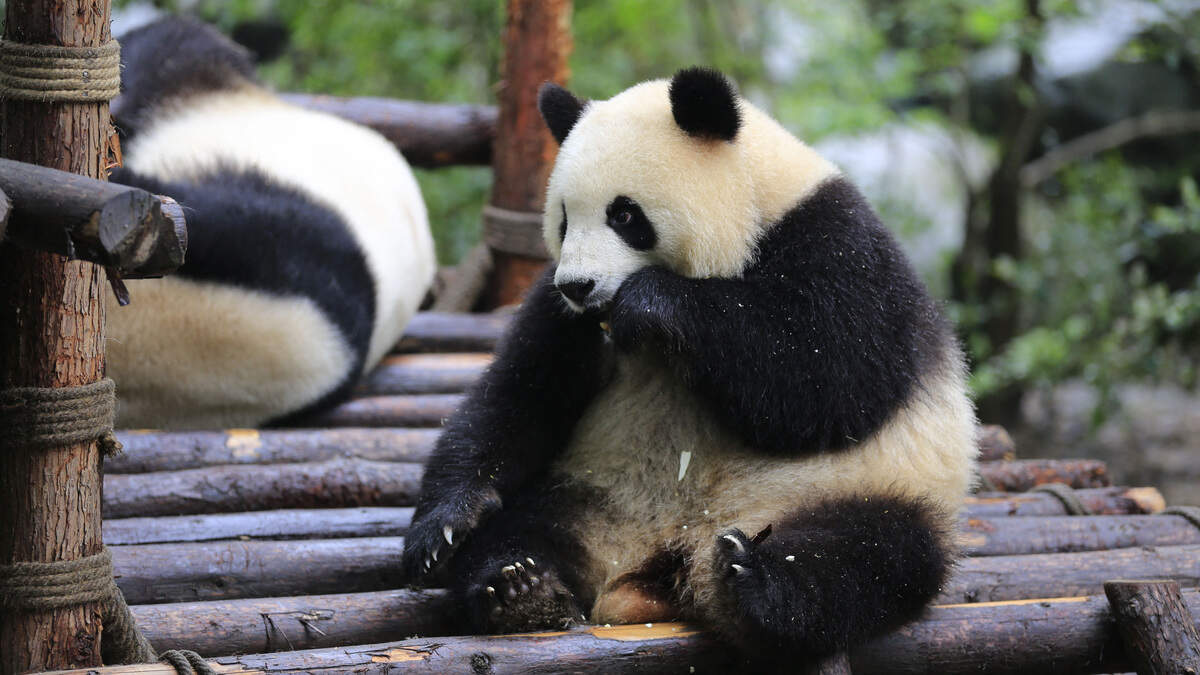
Their names are Ping Ping and Fu Shuang — a male and female giant panda, both born at the Chengdu Research Base of Giant Panda Breeding in China. They are headed to Zoo Atlanta under a new conservation agreement, and they arrive carrying the legacy of a partnership that produced seven panda cubs, including two sets of twins, at the same zoo over 25 years.
Zoo Atlanta announced a new International Cooperative Research Agreement with the China Wildlife Conservation Association. The deal marks the continuation of a long-running international research and breeding partnership between the zoo and China.
Generally speaking, giant panda partnerships between international zoos and China are structured as cooperative research agreements that involve breeding, veterinary research and conservation work. The pandas in these programs typically remain the property of China, and offspring born at partner zoos eventually return to Chinese facilities. Zoo Atlanta’s 25-year experience with Lun Lun, Yang Yang and their seven cubs followed this model.
The new agreement also arrives at a notable moment for the species: China’s conservation infrastructure now includes 67 panda reserves and protections covering about 72 percent of wild giant pandas.
What 25 Years of Partnership Produced
Zoo Atlanta’s previous panda agreement ran from 1999 to 2024. During that 25-year stretch, the zoo participated in extensive research collaboration and successful breeding efforts involving its longtime panda pair, Lun Lun and Yang Yang.
Together, the pair produced seven cubs at Zoo Atlanta. Two sets of twins were among the offspring. Generally speaking, giant panda reproduction is difficult — females are fertile for only a brief window each year, and twin births add complexity to an already challenging process. Seven cubs over 25 years, including two sets of twins, made for a productive partnership.
But the breeding results were only one part of the collaboration. According to zoo officials, the previous partnership contributed not only to panda births but also to broader conservation work, including habitat restoration, nature reserve management and ranger support programs in China.
Zoo Atlanta president and CEO Raymond B. King said in a statement on the zoo’s website, “Zoo Atlanta is delighted and honored to yet again be trusted as stewards of this treasured species and to partner with the China Wildlife Conservation Association on the continued conservation and research efforts that are the most important outcomes of this cooperation.”
All Nine Pandas Are Now In China
In October 2024, Lun Lun, Yang Yang and their two youngest offspring returned to China, bringing the 25-year agreement to a close. Their five older cubs are also now housed at the Chengdu facility.
All nine pandas connected to Zoo Atlanta’s previous program — Lun Lun, Yang Yang and the seven cubs born in Atlanta — are now at the Chengdu Research Base of Giant Panda Breeding. It is the same facility where Ping Ping and Fu Shuang were born.
67 Panda Reserves and 72 Percent Protection
The new agreement comes as China continues to expand protections for giant pandas in the wild.
Zoo officials note that the Chinese government has established 67 panda reserves and developed a national park system aimed at improving habitat connectivity and supporting the long-term survival of the species. Generally speaking, habitat connectivity describes how well different patches of wildlife habitat are linked, allowing animals to travel between them rather than becoming isolated in separate fragments of forest.
When habitat is fragmented — broken up by roads, development or geographical barriers — animal populations can become cut off from one another. Over time, that isolation can reduce genetic diversity and make populations more vulnerable to environmental change. The national park system China has developed for giant pandas is designed to counteract this fragmentation by connecting reserves across the landscape.
About 72 percent of wild giant pandas are currently under strict protection. The species is classified as vulnerable by the International Union for Conservation of Nature — a designation that, generally speaking, means a species faces a high risk of extinction in the wild.
The scale of that conservation investment — 67 dedicated reserves, a national park system built to connect habitats and protections extending to about 72 percent of the wild population — forms the broader effort that Zoo Atlanta’s renewed partnership will contribute to.
What Comes Next
Zoo Atlanta said more details about when Ping Ping and Fu Shuang will arrive and when the public will be able to see them will be announced in the coming months.
The announcement signals a renewed chapter in the zoo’s relationship with one of its most iconic animals and a continued focus on international conservation efforts. After 25 years that produced seven cubs and conservation contributions spanning habitat restoration, nature reserve management and ranger support, the partnership between Zoo Atlanta and China is entering its next phase — with Ping Ping and Fu Shuang at the center.
This article was created by content specialists using various tools, including AI.