Conservationist Dies in Rhino Attack on South African Reserve He Worked to Protect
The death of Schoeman van Jaarsveld is being felt far beyond a single reserve in South Africa — because it comes at a time when the species he spent his life protecting still faces relentless pressure from poaching.
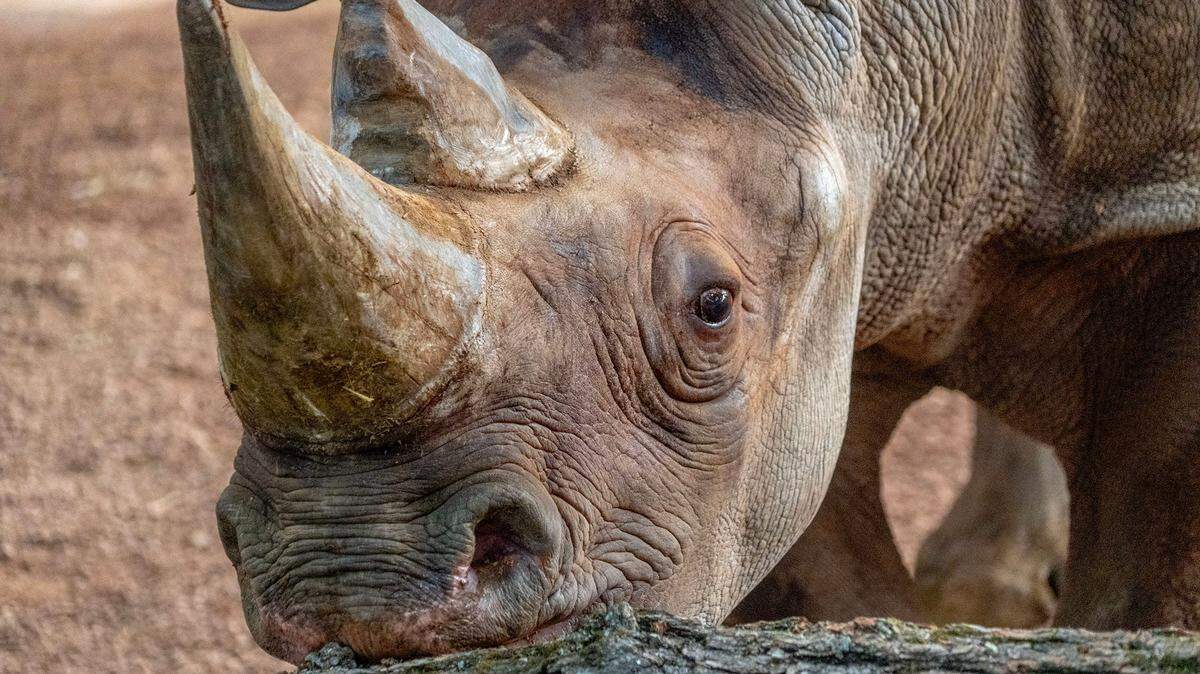
Van Jaarsveld, 58, was killed on April 23 while on patrol at the Samara Karoo Reserve, a 68,000-acre protected area. He and his team were tracking a black rhino — monitoring its health and safeguarding it from potential poachers — when the animal suddenly charged from the brush.
According to the U.S. Sun, the roughly 2,900-pound rhino “burst out of cover and impaled him.” He was pronounced dead at the scene. Another team member suffered minor injuries, and the rhino retreated back into the reserve unharmed.
Van Jaarsveld died at the hands of the very animal he had spent decades trying to save. But the danger he faced that day wasn’t the one he spent his career fighting.
That threat comes from people.
The Rhino Attack Underscores a Deeper Issue at the Reserve
Across South Africa, rhinos remain under constant siege from organized poaching networks driven by demand for their horns — a black market where the material can fetch higher prices than cocaine or gold.
In the past year alone, 352 rhinos were killed by poachers in the country, per the New York Post.
It’s the kind of pressure that makes conservation work not just difficult, but dangerous. And it’s exactly the kind of work van Jaarsveld dedicated his life to.
He ran Milk River Security, a private armed firm focused on protecting rhinos from poaching gangs, per the George Herald. His team patrolled vast stretches of land on foot, tracking animals in real time and placing themselves between wildlife and those trying to kill it.
On the morning he died, that’s exactly what he was doing — using a GPS tracker attached to the rhino to monitor its condition while keeping watch for poachers believed to be operating in the area.
It’s a job that exists because of how close black rhinos have already come to disappearing.
During the 20th century, the species was pushed to the brink. Between 1960 and 1995, black rhino populations dropped by an estimated 98%, falling to fewer than 2,500 individuals due to hunting and human expansion, per the World Wildlife Fund.
Since then, conservation efforts across Africa have helped bring them back from that edge.
Today, there are more than 6,000 black rhinos — a significant recovery, but still a fraction of their historical numbers. The species remains classified as critically endangered, and its future is far from secure.
Poaching continues to threaten that progress every day.
That’s what makes van Jaarsveld’s death resonate so deeply within the conservation community. He wasn’t just protecting animals. He was part of a decades-long effort to pull a species back from extinction.
Tributes Pour In From the Anti-Poaching Community
The reserve acknowledged the loss in a statement, confirming that no shots were fired during the incident and that the rhino was not harmed.
“Our thoughts are with Schoeman’s family and friends and as a mark of respect we will be helping with the funeral following the tragic loss of a member of the Samara team,” the statement read, per the U.S. Sun.
Tributes from colleagues have echoed a similar sentiment — grief, respect and a sense of cruel irony.
“Something went very wrong and they came face to face and my friend was badly gored,” Arno Potgeiter, who trained under him, told the U.S. Sun.
Another friend put it more bluntly: “His loss has been deeply felt among the anti-poaching community and it is even more tragic that his life was taken by the very animal he was trying to keep safe.”
In the end, van Jaarsveld’s death underscores both the fragility of the species he protected and the risks taken by those working to save it.
He spent his life standing between rhinos and extinction. And now, the fight he was part of continues — without him.
This article was created by content specialists using various tools, including AI.
This story was originally published April 27, 2026 at 3:45 PM.