Cold Plunges Explained: What Does 2 Minutes in Ice Water Really Do to Your Brain?
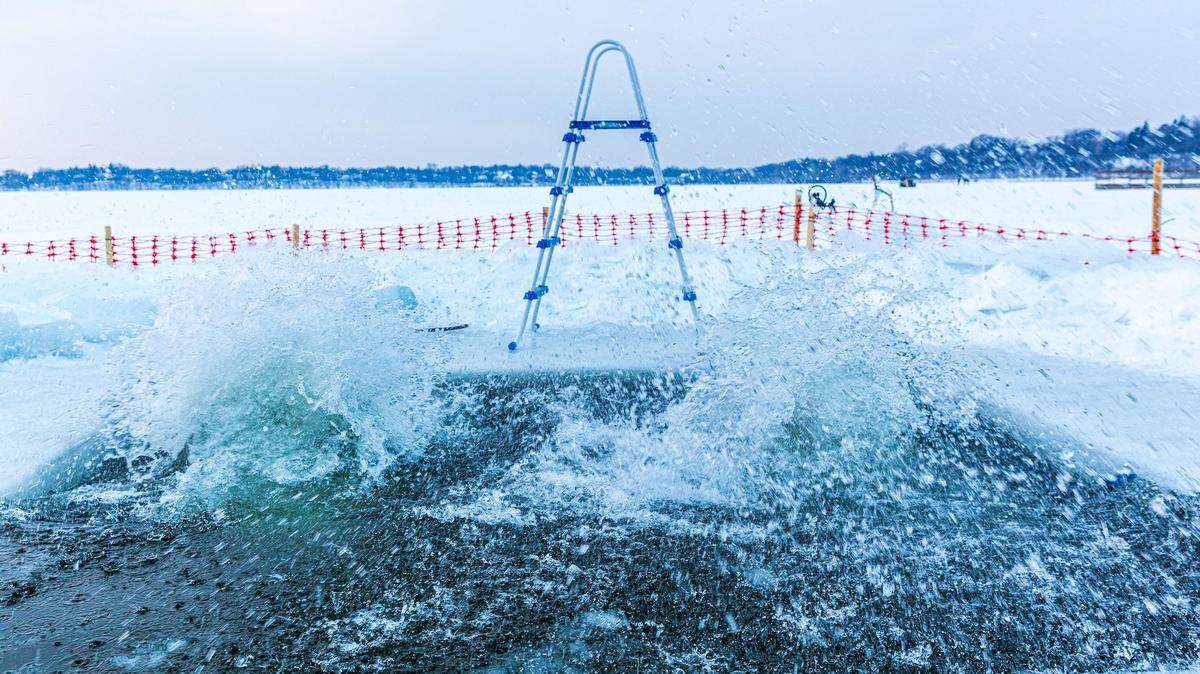
Cold plunges have moved from elite training rooms to backyard tubs, with celebrities and athletes — from Lady Gaga and Chris Hemsworth to Tom Brady — fueling the trend. Here’s what doctors and peer-reviewed research say about what two minutes in ice water can really do to your brain and body.
The practice has surged in popularity as celebrities and pro athletes openly share their routines. Athletes including Cristiano Ronaldo and LeBron James are part of the trend too, helping push a once-niche recovery practice into the mainstream wellness conversation.
What Is a Cold Plunge and Why Is Everyone Doing Them?
A cold plunge is the practice of partially or fully submerging your body in cold water for a few minutes at a time. The format varies widely depending on access and preference.
Some people fill a bathtub with cold water and ice cubes. Others wade or jump into a cold lake or the ocean. Dedicated cold-plunge centers have popped up in cities across the country, and a growing number of enthusiasts build their own cold-plunge tanks at home. What unites all of these methods is the same basic idea: short, controlled exposure to cold temperatures.
For people trying it for the first time, the entry point can be as simple as ending a regular shower with a blast of cold water, then graduating to a tub or tank. “A DIY approach at home can also be a great way to get started with cold exposure so you can more slowly build up your tolerance,” said Frank Lipman, MD, chief medical officer at The Well, per Harper’s Bazaar.
Whether you reach for a backyard tub, a frozen lake or a cold shower, the variables that matter stay the same: how cold the water is, how long you stay in and how often you do it.
What Do Cold Plunges Do to Your Brain?
Cold plunges trigger a rapid surge of stress hormones and neurotransmitters that can sharpen focus, lift mood and help recalibrate the body’s stress response.
According to a study published in The Journal of Neuropsychiatry and Clinical Neurosciences, “Cold-water immersion triggers the release of important hormones and neurotransmitters, such as dopamine, serotonin, cortisol, norepinephrine and β-endorphins, which are all linked to modulation of the neural responses to stress and other emotion-related circuits affected in depression, anxiety, and posttraumatic stress disorder.”
The same study added: “In addition, the hormonal changes caused by cold-water immersion seem to help alleviate pain. It has been hypothesized that exposure to cold showers could provide a large-scale stimulus that results in similar effects via activation of peripheral nerves and autonomic mechanisms.”
The plunge essentially flips on the sympathetic nervous system, flooding the body with catecholamines that ramp up attention. A controlled study in Scientific Reports found that a brief ice bath significantly increased circulating noradrenaline, along with measurable shifts in stress hormones such as cortisol — confirming a strong acute neurochemical response.
Norepinephrine is tied closely to alertness and cognitive focus, which helps explain why participants in cold-exposure studies often report heightened mental clarity right after immersion. According to Plunge, cold-water exposure can trigger dopamine release up to 500 times above normal levels, acting as a powerful mood booster.
What Are the Benefits of Cold Plunges Beyond the Brain?
Cold exposure may also help with pain management and migraines. “Cold exposure is also thought to tame migraine symptoms—think ice packs on the neck— and soothe irritated nerve endings that can cause pain,” Lipman said. He added that the practice can lift mood by triggering endorphins: “For those struggling with mental health issues like anxiety or depression, it can boost mood by triggering the release of the body’s feel-good endorphins.”
Regular plunges can also work like stress training. Each session prompts the release of endorphins and serotonin, both of which help regulate mood and how the body responds to pressure. Over time, repeated exposure can help your brain become more accustomed to handling stressful conditions — a resilience that can carry over into work pressure, family demands and other everyday challenges.
There’s an immediate energy benefit too. According to Plunge, cold-water immersion triggers norepinephrine, a chemical messenger that delivers a burst of energy while sharpening focus. That jolt is part of why many people use a morning plunge as a substitute for a second cup of coffee or as a pre-workout primer.
How Long and How Cold Should an Ice Water Plunge Be?
Most adults plunge in water between 50 and 60 degrees Fahrenheit, with sessions typically running three to five minutes once tolerance is built up. Beginners are advised to start warmer and shorter.
The right duration depends on the person. “When first starting out, it’s OK to do cold plunges in short increments — even 30 seconds at a time — to build up your tolerance. From there, three to five minutes is a good target time,” Lipman said, adding, “In any case, it’s important to listen to your body.” Lipman noted that the right length of time “depends on the individual and their goals.”
On temperature, adults typically plunge in the 50–60°F range, per Plunge Chill. Most beginners start in the 60–65°F range and gradually drop the temperature as their bodies adapt.
A home setup may not hit the same temperatures as a commercial tank, but Lipman said that doesn’t cancel the benefits. “You may not be able to maintain the same temperature in an at-home ice bath or cold shower as you would in a commercial cold plunge, but there’s no reason to think you can’t still reap the benefits from short-term cold exposure through these methods,” he said. “A DIY approach at home can also be a great way to get started with cold exposure so you can more slowly build up your tolerance.”
This article was created by content specialists using various tools, including AI.
This story was originally published April 30, 2026 at 1:00 PM.