
Effortless Bathroom Routines That Keep Tiles, Sinks, and Showers Clean Longer
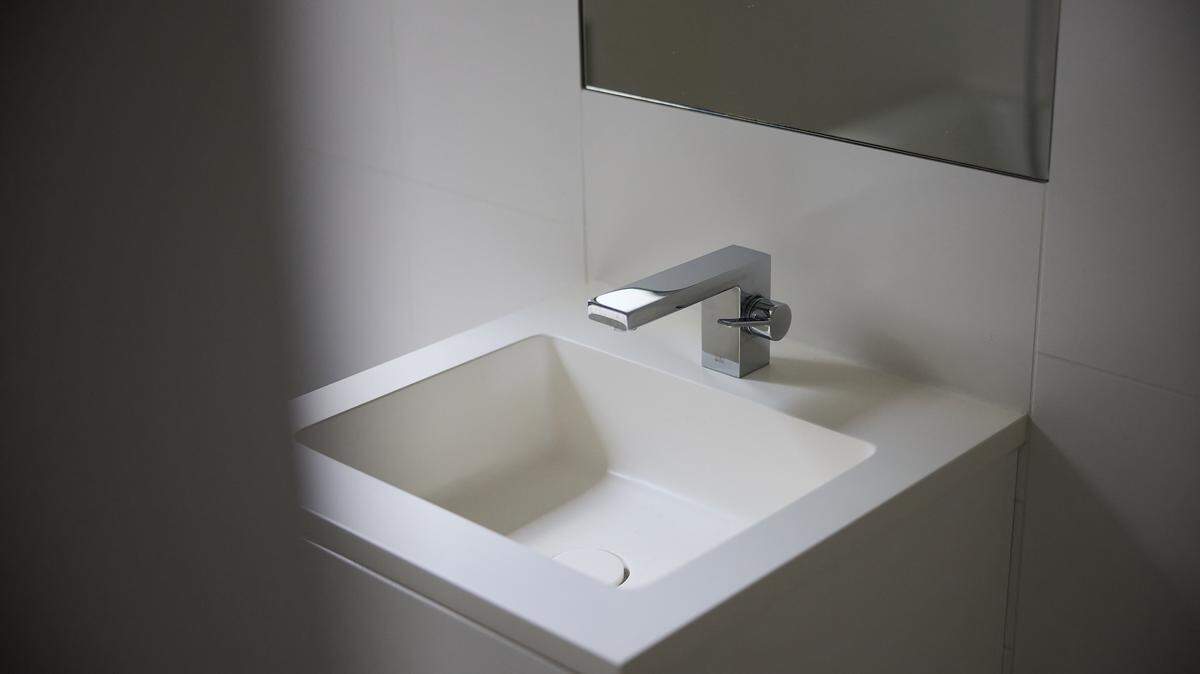
The bathroom is one of the hardest-working rooms in any home, and it shows. Soap scum clouds the shower glass. Toothpaste residue dries onto the sink. Grout lines darken. Mildew creeps along the corners of the tub. Most of this damage doesn’t happen because of one big oversight — it happens because small habits, repeated daily, either keep buildup at bay or quietly let it accumulate.
The good news: a handful of low-effort routines can prevent the kind of stubborn grime that eventually requires harsh chemicals or replacement fixtures. Here’s what experts and home-care writers recommend.
Moisture control is the real foundation
Most bathroom buildup traces back to moisture. Steam doesn’t just fog mirrors; it settles into grout, drywall and ventilation pathways, where it can feed mildew and accelerate stains.
HVAC expert Brian White said in a Martha Stewart article written by Caroline Lubinsky that exhaust fans should run during showers and well after they end.
“The bathroom fan should be left running throughout the entire time moisture is being generated,” White says. “The overall goal is to create active airflow that captures steam at the source before it has a chance to spread into wall cavities, ceilings, and adjacent rooms.”
A few additional moisture habits make a noticeable difference:
- Fix dripping faucets quickly. A constant trickle of water is also a constant source of mineral deposits and stains.
- Leave the shower door or curtain slightly open after use so the interior can air out instead of trapping humidity.
- Crack a window or run the fan for 10 to 15 minutes after showering, even if the room no longer looks steamy.
- The easiest cleaning is the cleaning you don’t have to do. A handful of 30-second habits can prevent the bulk of bathroom grime from ever forming.
Daily micro-habits that stop buildup before it starts
The easiest cleaning is the cleaning you don’t have to do. A handful of 30-second habits can prevent the bulk of bathroom grime from ever forming.
- Wipe down the sink after brushing teeth or washing your face. Toothpaste, soap and skincare residue harden quickly when left to dry.
- Squeegee shower walls after each use to keep water spots and soap scum from setting.
- Rinse the sink basin briefly so leftover residue doesn’t bond to the surface.
- Hang towels so they can fully dry between uses
That last point matters more than people realize. Towels left bunched up trap moisture, develop a musty smell and can transfer mildew to skin. Ashlyn Needham, writing for Southern Living, explains that proper hanging makes the difference.
“It’s better to use a towel rack so your bath linens and spread out entirely,” Needham writes. “And, when you’re hanging more than one damp towel at a time, they need to be spread out from each other as well.”
A weekly reset that keeps small problems from becoming big ones
Daily habits handle surface grime. A weekly reset catches what those habits miss — the slow buildup in places people forget to look.
A useful weekly routine includes:
- Wiping counters, faucets and mirrors. Faucet handles in particular collect oils, dust and skincare residue.
- Lightly scrubbing grout and tile lines before discoloration sets in. Once buildup hardens, it requires far more aggressive cleaning to remove.
- Cleaning the toilet exterior and base, not just the bowl. Splashes and dust collect at the floor seam and contribute to lingering odors.
- Washing bath mats regularly and rotating towels for fresh ones, since both hold moisture longer than most fabrics in the home.
- This kind of reset takes 15 to 20 minutes and prevents the deep-cleaning sessions most people dread.
Sink habits that prevent stains and clogs
Sinks take more abuse than almost any other fixture in the bathroom, between toothpaste, hair products, makeup, skincare and incidental hair from grooming. A few targeted habits keep the basin and the drain in good shape:
- Don’t let toothpaste or makeup residue sit in the sink. Rinse it away as soon as you notice it.
- Flush the sink with hot water after use to help carry oils and residue down the drain instead of letting them coat the basin.
- Clean faucet handles regularly. Because hands touch them constantly, they accumulate oils and grime faster than the rest of the fixture.
- Avoid pouring oils, thick products or hair down the drain. These are the biggest contributors to slow drainage and clogs.
- Use a drain catcher to trap hair and debris before they reach the pipes.
Why small habits add up
The pattern across all of these recommendations is consistent: bathrooms stay cleaner not because of any single deep clean but because moisture is managed, residues are wiped before they harden and small problems get caught early. Running the fan a few extra minutes, spreading towels out properly, rinsing the sink and squeegeeing the shower are not glamorous tasks. But together they prevent the staining, mildew and clogs that turn bathroom upkeep into a chore.
For most homes, the difference between a bathroom that always feels fresh and one that constantly needs scrubbing comes down to those small, repeated choices.
This article was created by content specialists using various tools, including AI.
This story was originally published April 30, 2026 at 4:30 PM.