Are Dandelions Edible? These Dandelion Recipes Tell You Everything You Need to Know
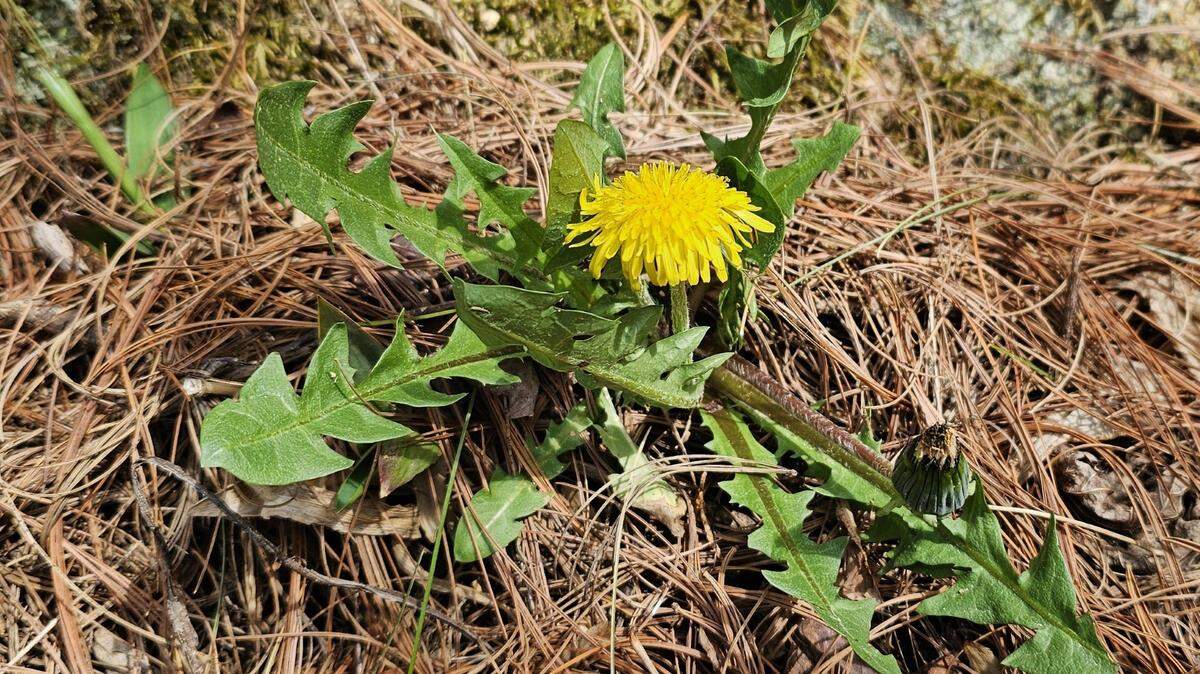
You’ve probably been pulling dandelions out of your garden beds for years, treating them like the enemy of every tidy lawn. But before you reach for the trowel this spring, a question worth asking: are dandelions edible?
The answer is yes — every part of them, in fact. That bright yellow weed you’ve been battling is one of the most nutrient-dense plants growing in your yard, with a long history in American kitchens. For gardeners willing to flip the script, those dandelions aren’t pests at all. They’re free food hiding in plain sight.
Can you eat dandelions? Every single part
Yes — and the answer to whether dandelions are edible isn’t just yes, it’s emphatically yes. Every part of Taraxacum officinale is fair game: leaves, flowers, stems, roots and unopened buds — each of which come with a distinct flavor profile.
The leaves taste bitter with a peppery kick, similar to arugula or radicchio, and younger leaves are milder. The flowers are sweeter, with a honey-like flavor when fresh. Roots come across earthy and are often roasted as a caffeine-free coffee substitute. The buds taste like a bitter green with a floral note and shine when fried or pickled.
One caution: if you’re allergic to plants in the Asteraceae (daisy) family, you’re at higher risk of reacting to dandelions. Skip the harvest until you’ve checked with a doctor.
First, make sure it’s actually a dandelion
Before you put anything in your mouth, confirm the ID. True dandelions have a few unmistakable features:
- A single bright yellow flower head on a hollow, unbranched stem
- Milky white sap when the stem breaks
- Deeply lobed, jagged leaves growing in a basal rosette flat to the ground
- The familiar fluffy white seed head later in the season
Common lookalikes include cat’s ear (often called false dandelion), sow thistle, coltsfoot and autumn hawkbit. None are toxic, but they’re not what you signed up for.
The giveaways: lookalike stems are usually solid rather than hollow, often branched rather than single, and many sport hairy leaves where dandelions are smooth. Cross-check with multiple sources before your first harvest.
The name itself is a clue. “Dandelion” comes from the Latin Dens Leonis and the French dent de lion — “lion’s teeth” — a reference to those distinctive jagged leaves.
Forage smart: skip the toxic lawns
This is the part that matters most for home gardeners. Seattle Magazine recommends avoiding any lawn or park treated with herbicides, pesticides or fertilizer. Also steer clear of roadsides, high-traffic areas and spots where pets do their business.
Best foraging spots: your own untreated yard, organic gardens and rural meadows. If you’ve been letting your lawn go a little wild, congratulations — you’ve been growing groceries.
Timing matters by part. For example, pick young, tender inner leaves in early spring before the plant flowers, when they’re sweetest and least bitter; use scissors or pinch at the base.
Harvest flowers spring through summer, in the morning when they’re fully open, pinching off the head and leaving the bitter green base behind. Roots are best dug in fall for peak nutrient content, but spring works too — use a garden fork or trowel because the taproots can run 12 inches or deeper. Grab buds in spring just before they open.
As with any herb, wash everything thoroughly in cold salted water. It tames bitterness and dislodges hitchhikers. A salad spinner dries greens fast. Refrigerate or dehydrate for longer storage.
A nutritional powerhouse you’ve been mowing over
The dandelion benefits hiding in your yard are real, and they go beyond novelty. The plant is loaded with vitamins A, C and K, folate, calcium and potassium, plus prebiotic fiber (inulin, mostly in the roots) and antioxidants like beta-carotene and polyphenols.
“Dandelions are herbs, and herbs have many health and nutritional benefits,” registered dietitian Nancy Geib, RD, LDN, told the Cleveland Clinic. “They’re probably the most nutritionally dense green you can eat — outstripping even kale or spinach.”
Also worth knowing: according to the National Library of Medicine, early colonists brought dandelions to North America around the time of the Mayflower — for food and medicine. We’ve been growing them on purpose far longer than we’ve been killing them.
Dandelion recipes to try with your harvest
The best part of growing dandelions on purpose? You’ve got an endless supply just steps from your kitchen.
Once you’ve harvested and washed your haul, the dandelion recipes practically write themselves — from quick weeknight greens to slow weekend projects that turn your garden’s most stubborn resident into something memorable.
Here are a few recipes to satisfy your palette, ranked by difficulty:
Beginner: Sautéed dandelion greens. Blanch young leaves briefly, then sauté with olive oil, garlic, red pepper flakes and lemon. Done in ten minutes.
Beginner: Dandelion salad. Toss tender young leaves with bacon, hard-boiled egg and a warm vinaigrette made from bacon drippings, vinegar and sugar. A Pennsylvania Dutch classic.
Easy: Dandelion pesto. Blend leaves with garlic, Parmesan, walnuts or pine nuts, olive oil and lemon juice. Freezes well.
Easy: Dandelion fritters. Dip whole flower heads in a flour, egg and milk batter, then pan-fry until golden.
Intermediate: Dandelion jelly. Simmer petals into a “tea,” then cook with sugar, lemon juice and pectin. Tastes like honey on toast.
Intermediate: Vegan dandelion honey. Simmer petals with water, sugar and lemon until syrupy. A plant-based stand-in for biscuits, tea or goat cheese.
Advanced: Roasted dandelion root coffee. Clean and chop roots, roast until deep brown, then grind and brew. Caffeine-free and surprisingly satisfying.
Advanced: Dandelion wine. Steep yellow petals (no green parts) in boiling water with citrus, then ferment with sugar and yeast for several months.
So before you reach for the spray bottle next spring, take a closer look. That yellow invader might be the most useful crop in your yard.
This article was created by content specialists using various tools, including AI.