The Meet-Cute Revival: Why Young Adults Are Choosing Real-Life Dating Over Apps
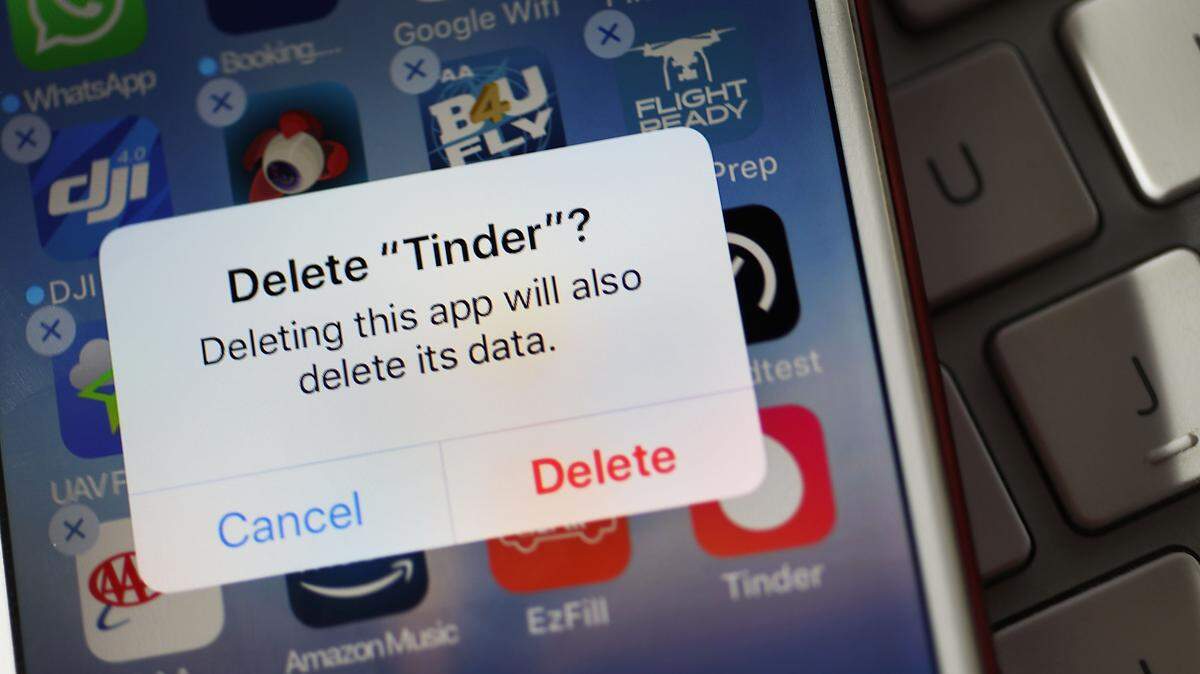
The swipe-and-scroll era may be losing its grip on young daters. Gen Z is increasingly stepping away from dating apps and looking for love the old-fashioned way — through chance encounters at run clubs, book clubs, cycling groups and bird-watching meetups. The shift has revived the “meet-cute,” defined by Merriam-Webster as “a cute, charming, or amusing first encounter between romantic partners (as in a movie).”
Frustration with the passive, repetitive nature of dating apps is fueling a move toward in-person connection — and even the apps themselves are scrambling to adapt.
Why Gen Z Is Burning Out on Dating Apps
Dating app fatigue has become a defining feature of Gen Z’s romantic life. A 2024 survey by Forbes found that more than 75% of Gen Z users feel burnt out by platforms like Tinder, Hinge and Bumble, citing difficulty finding genuine connections despite the time they invest. The complaint is consistent: chemistry is hard to gauge through a screen, and the experience can start to feel like a numbers game rather than a path to a relationship.
Ilana Dunn, host of the Seeing Other People podcast and former content lead at Hinge, told Fortune in 2025 that she expects more Gen Z and millennials to pivot toward in-person meetups. She pointed to master classes, singles events and social gatherings designed specifically for meeting potential partners as growing alternatives.
“I do think [dating apps have] come a long way in helping curate healthy dating behaviors,” Dunn said. “But I also think there are just so many people who are using them so passively.”
How Book Clubs and Run Clubs Became Dating Hubs
Group activities built around shared interests have emerged as some of the most active spaces for romantic connection. Running clubs and book clubs in particular have taken on a second life as low-pressure venues where strangers can meet, talk and assess chemistry without the artifice of a profile.
A 2025 survey of 2,000 Americans conducted by Talker Research and commissioned by ThriftBooks found that 23% of book club members had met someone they were romantically interested in through their reading group. Across generations, Gen X (45%) and Gen Z (47%) were the most likely to prefer a book club meet-cute over app-based dating — a striking signal that interest in real-world introductions stretches beyond the youngest cohort.
How Dating Apps Are Responding to the Shift
Major dating platforms are not ignoring the problem. Earlier in 2025, Spencer Rascoff, CEO of Match Group, acknowledged the issue in a letter posted to LinkedIn, writing that dating apps can feel like a numbers game that leaves “people with the false impression that we prioritize metrics over experience.”
That admission has translated into product changes. Hinge, Bumble and Tinder have rolled out new features designed to encourage different ways of connecting. Tinder, for example, introduced a feature that lets users pair with friends for double dates — an attempt to inject a more social, lower-stakes dynamic into the experience.
“This is the way Gen Z wants to connect,” Rascoff said. “They want to vibe their way through meeting people.”
What This Means for the Future of Dating
Even with the new features, Dunn is skeptical that apps can fully reclaim their cultural dominance without leaning harder into real-world experiences. She suggested the platforms will need to invest directly in physical events and activations if they want to keep pace with how young people actually want to date.
“They can try to come up with more ways to [allow] people to assess chemistry, but unless they are really pushing people to meet in real life by maybe creating more in-person activations and events where people can assess, ‘Oh, is there a vibe here?’ I don’t know that they will make the comeback to being as big as they once were,” she said.
For now, the meet-cute is back — and Gen Z is treating it less like a movie trope and more like a strategy.
This article was created by content specialists using various tools, including AI.