
Is pasta really bad for you, or one of the most misunderstood foods in your diet?
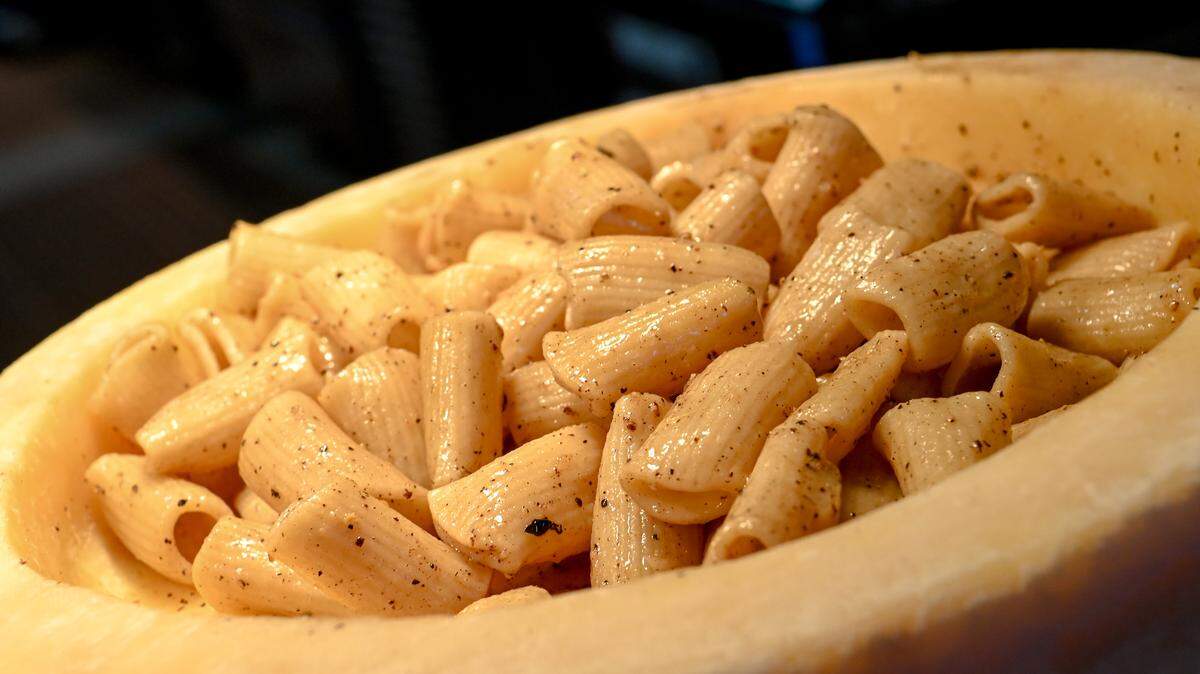
Pasta has spent decades on the nutritional hot seat — blamed for weight gain, flagged by low-carb diets and quietly reintroduced as a “comfort food” worth feeling guilty about. But the latest look at how different pastas stack up nutritionally suggests the picture is more nuanced than the carb-bad headlines have ever made it seem.
Whether pasta belongs in a healthy diet depends less on whether you eat it and more on what kind you choose, what you put on it and how you build the rest of the plate. Here’s what the nutrition data and dietitians actually say.
Is pasta healthy? What the nutrition breakdown shows
Pasta isn’t inherently bad for you. A standard serving delivers energy from carbohydrates, a modest amount of protein and — depending on the variety — iron and B vitamins, especially in enriched versions. The bigger questions are which pasta you’re eating and what’s going on it.
Classic white pasta made from refined wheat is the most familiar version. Per 1 cup cooked (about 140–150g), it contains roughly 200–220 calories, 40–45g of carbs, 7–8g of protein, just 1–2g of fiber and less than 1g of fat. It’s a reliable energy source, but the fiber content is low.
Whole wheat pasta vs. white pasta
Whole wheat pasta is made from whole grain wheat, meaning the bran and germ are left intact. That changes its nutritional profile in meaningful ways. Per 1 cup cooked, whole wheat pasta delivers about 180–210 calories, 37–43g of carbs, 7–9g of protein, 5–7g of fiber and 1–2g of fat.
The fiber jump is the biggest reason nutrition experts often steer people toward whole grain versions.
“While there is little difference in the effects of refined and whole-grain pastas on health, pasta that is made from whole grains may be a better choice if you’re looking to lose weight. It is lower in calories and higher in satiety-boosting fiber than refined pasta. Whole-grain pasta also contains a higher amount of most micronutrients, aside from B vitamins, which are added back into enriched pasta during processing,” Rachael Ajmera, MS, RD, wrote for Healthline.
Chickpea pasta and other legume-based options
Legume-based pastas have become a go-to for people looking to bump up protein and fiber without abandoning their favorite dishes. Chickpea pasta, made from chickpeas instead of wheat, is one of the most popular options.
Per 1 cup cooked, chickpea pasta contains roughly 190–220 calories, 30–35g of carbs, 12–15g of protein, 8–10g of fiber and 3–4g of fat. Compared with classic white pasta, that’s nearly double the protein and several times the fiber — a combination that tends to keep you full longer. For anyone managing blood sugar, watching portion sizes or simply trying to make a bowl of pasta work harder nutritionally, legume-based pastas are worth a look.
Heritage Grains Are Having a Moment — Here’s How to Use the Ancient Staples in Real Life
Brown rice pasta and gluten-free options
For people who avoid gluten, brown rice pasta is one of the most widely available alternatives. Made from rice rather than wheat, it has a softer texture and a milder flavor that works in a range of sauces.
Per 1 cup cooked, brown rice pasta provides about 200–220 calories, 42–45g of carbs, 4–6g of protein, 2–3g of fiber and 1–2g of fat. The carb count sits close to white pasta, and the protein and fiber are lower than what you’d get from whole wheat or chickpea versions. That doesn’t make it a bad choice — it just means gluten-free shoppers should know they’re not automatically getting a fiber or protein upgrade.
Does pasta keep you full?
One of the more interesting findings in recent pasta coverage is how it stacks up against other refined carbs when it comes to satiety. According to Consumer Reports, Mengxi Du, PhD, a postdoctoral researcher at the Harvard T.H. Chan School of Public Health in Boston, said: “Pasta can help you feel fuller than white rice or white bread.”
That fullness factor matters. Meals that keep hunger at bay longer are generally easier to fit into a balanced eating pattern, and they reduce the urge to snack soon after eating.
How to make pasta healthier
The simplest way to upgrade a pasta dish has less to do with the noodles and more to do with what surrounds them. A few small choices can transform a plate of pasta from a carb-heavy meal into a more balanced one.
- Add vegetables. Tossing in spinach, broccoli, zucchini, mushrooms, peppers or tomatoes boosts fiber, vitamins and volume without adding many calories.
- Add protein. Chicken, shrimp, lean ground turkey, beans or tofu help round out the meal and increase how full you feel.
- Choose your sauce wisely. Tomato-based sauces tend to be lighter than cream-based ones, and watching portion sizes on cheese and oil can keep calories in check.
The takeaway: pasta doesn’t deserve the all-or-nothing reputation it’s gotten. Choose a variety that fits your goals, build the plate thoughtfully and the carb everyone loves to debate can hold its own in a healthy diet.
This article was created by content specialists using various tools, including AI.