Why Zepbound Became the First Drug FDA-Cleared Specifically for Obstructive Sleep Apnea
The buzz around Ozempic just got louder. A new wave of research suggests GLP-1 drugs may quietly be reshaping how doctors think about sleep apnea, one of the most underdiagnosed conditions in America. Here’s what the latest studies actually show and what they don’t.
What Is Sleep Apnea and How Common Is It?
Obstructive sleep apnea occurs when the muscles in the throat relax during sleep, causing the airway to collapse repeatedly through the night. Each event drops oxygen levels and fragments sleep, leaving people exhausted, foggy and at higher long-term risk for cardiovascular disease.
An estimated 30 million Americans have it, and most don’t know. Common signs include loud snoring, waking up gasping, morning headaches and daytime sleepiness that doesn’t improve no matter how many hours you sleep.
Obesity is the strongest single risk factor — excess fat around the neck and upper airway makes airway collapse more likely. But it’s worth knowing upfront that only about one-third of adults with sleep apnea are obese. That means weight-loss-driven treatments, including GLP-1 drugs, won’t be the answer for everyone.
What Does the New Research on GLP-1 Drugs and Sleep Apnea Actually Show?
The January 2026 JAMA Network Open study analyzed more than 93,000 patients with obesity, type 2 diabetes and sleep apnea, comparing those on GLP-1 drugs to those on a different class of diabetes medication. After nearly a year, the GLP-1 group was 8% less likely to need a CPAP machine, 32% less likely to die from any cause and 10% less likely to be hospitalized.
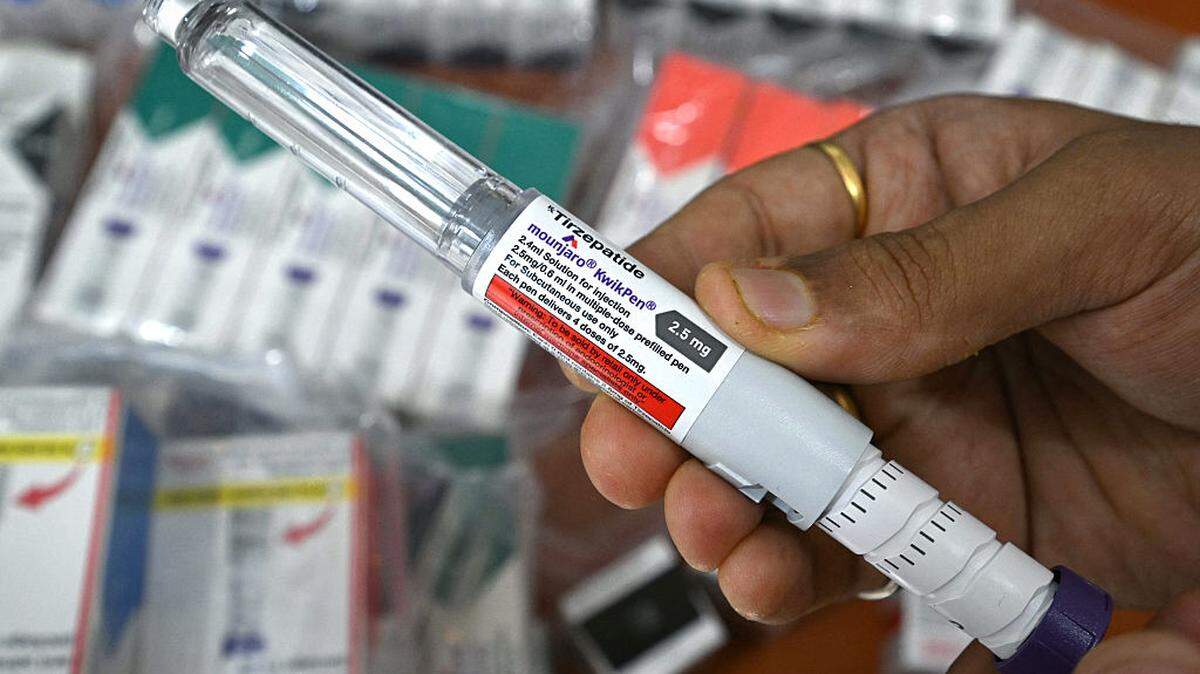
The SURMOUNT-OSA trial in the New England Journal of Medicine found tirzepatide reduced apnea severity by 55-63% compared with placebo — strong enough results to support the FDA’s late 2024 approval of Zepbound as the first medication ever specifically cleared for obstructive sleep apnea in adults with obesity. Before that, treatment options were CPAP machines, oral appliances and surgery, full stop.
The JAMA study is observational, meaning it shows association rather than confirmed causation. More randomized trials are still needed before the findings are considered definitive.
For more information: The Night Shift Worker’s Guide to Finally Sleeping Well: What Works, What Doesn’t and Why It’s So Hard
Why Do GLP-1 Drugs like Zepbound Help With Sleep Apnea ?
The primary mechanism is weight loss. When GLP-1 drugs drive significant weight reduction, fat deposits around the throat decrease, giving the airway more room to stay open during sleep. A 10% weight loss is associated with a roughly 26% reduction in apnea severity, according to research cited by Neurology Advisor.
Researchers also suspect a second, less established pathway. GLP-1 receptor activation may have direct anti-inflammatory or respiratory effects independent of weight loss, but that mechanism is still being studied and hasn’t been confirmed in clinical trials. For now the strongest evidence ties the benefit back to weight reduction rather than a direct effect on sleep architecture.
Should You Take A GLP-1 for Sleep Apnea?
Not on your own. Ozempic is FDA-approved for type 2 diabetes. Wegovy is approved for chronic weight management. Zepbound is the only GLP-1 medication specifically cleared for moderate-to-severe obstructive sleep apnea in adults with obesity. That narrow approval matters — these aren’t sleep drugs, and insurance coverage outside of their approved indications is unlikely.
CPAP remains the gold standard for moderate-to-severe OSA regardless of body weight and clinical guidelines haven’t replaced it with GLP-1 therapy. Side effects including nausea, GI issues and potential muscle loss without adequate protein intake are real considerations. And because a significant portion of OSA patients aren’t obese, GLP-1 drugs simply may not be relevant to their case at all.
If you suspect you have sleep apnea, a sleep study is the right first step. From there a doctor can confirm a diagnosis, gauge severity and determine whether CPAP, lifestyle changes, a GLP-1 medication or some combination makes sense for your specific situation. The research is genuinely promising but it’s a conversation to have with a clinician, not a prescription to seek out on your own.
This article was created by content specialists using various tools, including AI.
This story was originally published May 18, 2026 at 5:15 PM.