Why Recovery Retreats Are Becoming the Fastest-Growing Wellness Travel Trend
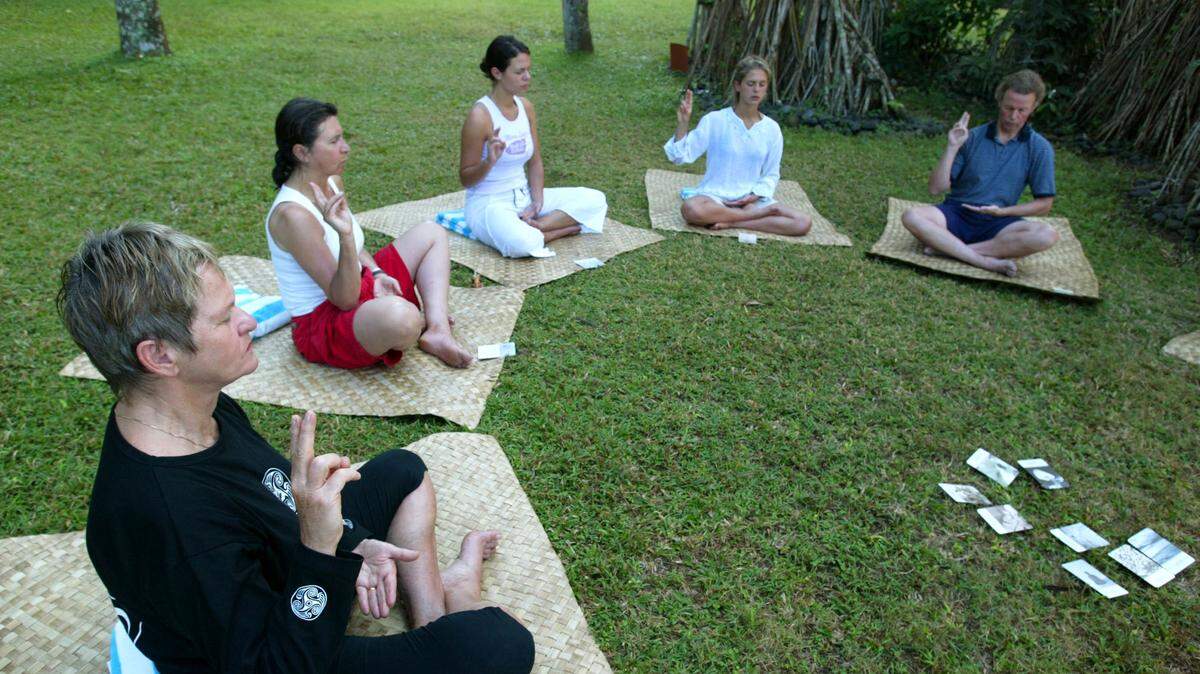
Recovery retreats are drawing more attention as Americans look for immersive support with burnout, grief, trauma, addiction and mental health challenges. Here’s what these programs offer and a look at 8 of the most established healing retreats operating across the U.S.
What Are Recovery Retreats and What Do They Provide?
Recovery retreats are immersive, multi-day programs that combine clinical therapy, holistic wellness practices, mindfulness and community-based healing to support emotional recovery and long-term wellbeing. They are designed for travelers navigating burnout, grief, trauma, addiction or mental health challenges, and most run anywhere from a long weekend to several weeks.
Demand is rising sharply. A 2025 report from the Global Wellness Institute forecasts the global grief-counseling market will reach roughly $4.52 billion by 2029, up from an estimated $3.67 billion in 2025. Industry operators say the growth reflects how many guests arrive carrying losses or transitions that traditional outpatient care has not fully addressed.
“Some guests are mourning a loved one; others are navigating major life transitions or feeling overwhelmed by the pace of modern life,” Sabine Wensink of Surf Therapy Travel told National Geographic.
Programming varies by retreat, but most blend evidence-based therapy with practices such as yoga, meditation, equine therapy, somatic counseling, breathwork, nature immersion and group workshops. Some are clinically supervised; others position themselves as complementary to Western medicine rather than a replacement for it.
What Are the Top 8 Recovery Retreats in the US Right Now?
Eight U.S.-based programs stand out for the breadth of their offerings, the conditions they address and the structure of their stays. Each takes a different approach to healing, from shamanic grief work to clinical addiction treatment for executives.
- 4 Day Grief & Trauma Retreat: Summer Soul Healing in New Orleans — A group program focused on grief, heartbreak, trauma and divorce recovery through shamanic healing, reflection and group connection. The package includes airport pickup and drop-off, three nights of accommodation, daily yoga and meditation, a one-hour treatment, specialized workshops and pre- and post-retreat support.
- 4 Day Mental Health & Wellness Retreat in Winter Park, Colorado — A mountain program built around stress management, nervous system regulation and mindfulness. Guests get daily pranayama and yoga, guided nature hikes, group excursions and a one-hour treatment, with the stated goal of reducing stress and improving sleep.
- Whole Truth Retreat — Operates in Bali, Europe, Mexico, South Africa and the United States. Programs feature juice fasts, yoga, plant-based medicines, therapeutic yoga and somatic counseling, which is sometimes used to help treat post-traumatic stress disorder. The retreat positions its work as complementary to Western medical approaches.
- The Bridge Recovery Center — Near St. George, Utah, the center pairs structured clinical programs with holistic wellness for guests dealing with fibromyalgia, depression, lupus and mood disorders. Three-week sessions are capped at 15 guests.
- SHE RECOVERS Foundation — Trauma-informed retreats for women at a 46-acre ranch in Texas Hill Country and a seaside location in York Harbor, Maine.
- Rio Retreat Center — Workshops and intensives focused on trauma, addiction, grief and relationship healing, on the grounds of The Meadows.
- The Dunes East Hampton — A private 17-acre addiction recovery estate offering executive treatment, with a specialty in alcohol dependence.
- Heart Healing Wellness Retreat in California’s Sierra Nevada foothills — Free-flow art, grief yoga, a Himalaya salt cave and a soundproof rage room.
What Do Women’s Recovery Retreats and Trauma-Focused Programs Include?
Women’s recovery retreats typically combine trauma-informed therapy with nature-based and movement practices, while trauma-focused programs at larger centers add clinical intensives, somatic work and structured workshops. The exact mix depends on the location and length of stay.
The SHE RECOVERS Foundation’s Texas retreats run for five days and four nights and include equine therapy, yoga, meditation, guided recovery workshops and nature-based activities. Guests can explore trails on foot or horseback, interact with farm animals, use plunge pools, hot tubs and saunas, and take part in fireside community gatherings and ceremonies. The foundation’s Maine retreats focus on seaside healing through beach walks, ocean cold plunges, labyrinth ceremonies, hiking and daily guided movement.
At Rio Retreat Center, located on the grounds of The Meadows, programming centers on specialized workshops and multi-day intensives covering trauma, addiction, grief, emotional growth and relationship recovery. The center also offers professional development workshops and private intensives for guests who want added privacy or customization.
California’s Heart Healing Wellness Retreat in the Sierra Nevada foothills takes a different route, leaning into emotional healing through holistic therapies and individualized programs. Practices include free-flow art sessions, grief-focused letter writing and grief yoga — a movement-based practice created by yogi Paul Denniston to help release emotional pain. The retreat also features a Himalayan salt cave, a domed meditation temple and a soundproof rage room, and programs conclude with a closing ceremony focused on future intention-setting.
Who Should Consider an Addiction or Mental Health Recovery Retreat?
Addiction and mental health recovery retreats are generally aimed at adults navigating substance use, chronic conditions or significant emotional distress who want more immersive support than traditional outpatient care provides. Some are designed for working professionals; others target people managing long-term physical and mental health conditions.
The Dunes East Hampton, a private 17-acre estate in the Hamptons, focuses on executive and holistic addiction treatment for professionals. The center specializes in alcohol addiction treatment, including alcoholism, alcohol dependence, alcohol abuse and binge drinking. Programs combine evidence-based therapies with holistic approaches and allow guests to maintain work connectivity during treatment, with an emphasis on long-term behavioral change, education and ongoing support beyond detox.
In Utah, The Bridge Recovery Center serves guests dealing with chronic conditions such as fibromyalgia, depression, lupus and mood disorders. The center describes its three-week immersion as a way to develop, in a condensed window, the practices and behaviors that might otherwise take years to build through outpatient therapy alone. With sessions capped at 15 guests, the program is structured around a small-group clinical and holistic model.
As with any treatment decision, prospective guests should review each program’s clinical credentials, talk with their own providers and confirm what is and is not included before booking.
This article was created by content specialists using various tools, including AI.
This story was originally published May 20, 2026 at 12:13 PM.