What Is Grief Travel? Inside the Healing Retreat Trend Growing Around the World
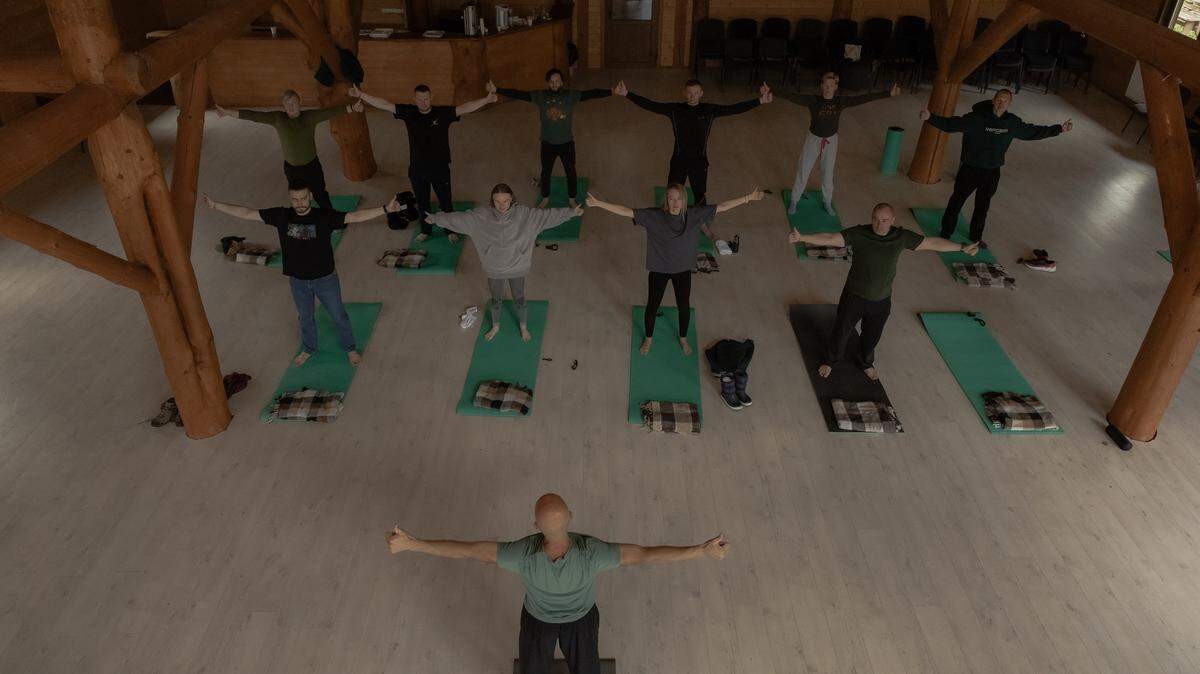
A new kind of wellness vacation is gaining traction — one built not around indulgence but around loss. Grief travel, sometimes called a “griefcation,” is emerging as one of the fastest-growing corners of wellness tourism, drawing travelers who want a structured space to process bereavement, heartbreak or major life transitions outside the walls of a therapist’s office.
The trend reflects a broader shift in how people think about emotional healing. A 2025 Global Wellness Institute report projects the global grief-counseling market will grow from an estimated $3.67 billion in 2025 to roughly $4.52 billion by 2029, driven by rising demand for support around loss, burnout and emotional recovery.
For more information: The Best Wellness and Recovery Retreats in the U.S. for Healing and Burnout Recovery Right Now
Why Grief Travel Is Gaining Momentum
Therapists say a major part of the appeal is the environmental shift itself. Between work, caregiving and daily responsibilities, many people never carve out the time to fully feel what they’re feeling. Stepping into a different setting can create just enough distance for emotions to surface in a manageable way — and for travelers to lean into them rather than push them down.
Lynn Zakeri, LCSW, a licensed therapist based in Chicago, told Forbes in 2025: “Griefcation isn’t a clinical term, but it captures something I’ve seen again and again, with clients and also in my own life.” She described grief travel as intentionally stepping away from everyday responsibilities to process emotions more openly.
“To cry without feeling like you have to pull it together…to have feelings and not apologize for them—that’s powerful,” she said.
What Experts Say About the Benefits and Limits
Not every clinician views grief travel as a cure-all. Dr. Gail Saltz, associate professor of psychiatry at NewYork-Presbyterian Hospital Weill Cornell School of Medicine, told Forbes that travel can interrupt the routines tied to grief, but it isn’t a substitute for clinical care. “For some individuals, travel based in grief recovery can have benefits, but it is not a one size fits all and it is not prescribed as a treatment for grief,” she said.
Saltz also cautioned against using grief travel as a form of avoidance. “If travel is used to deny death or to pretend the person is waiting at home, then it’s not really processing the grief,” she told Forbes. The goal, she said, is reflection — not escape.
What Grief Retreats Typically Include
Most grief-focused retreats pair therapeutic practices with wellness activities and time outdoors. Programs vary, but common elements show up across destinations from Greece to Sweden to Portugal. The mix is designed to engage the body and mind together, helping guests process emotions through movement, stillness and shared experience.
Typical offerings include:
- Group therapy and sharing circles
- Meditation and breathwork
- Yoga and movement therapy
- Journaling and letter-writing exercises
- Cold-water therapy or ocean immersion
- Nature-based healing and hiking
- Somatic therapy and emotional processing workshops
- Rituals or ceremonies focused on release and renewal
Many programs also encourage personalized rituals. Zakeri told Forbes she often recommends practices like journaling, creating playlists, lighting candles or speaking aloud to loved ones while walking.
Top Grief and Healing Retreats Around the World
A handful of destinations have become focal points for the grief travel movement, each blending therapy with local landscape and tradition. Travelers can find programs built around ocean rituals, private cottage therapy, surf sessions or holistic counseling beneath ancient ruins.
Euphoria Retreat — Mystras, Greece Set beneath the UNESCO-listed ruins of Mystras, Euphoria Retreat focuses on holistic healing through nature therapy, counseling and energy work. Programs such as its “emotional harmony” experience are designed for guests recovering from trauma, heartbreak or major life transitions.
The Therapy Haven — Île de Ré, France The Therapy Haven offers private cottage stays focused on grief recovery, anxiety and emotional burnout. Retreats are designed for individuals, couples and executives, combining intensive therapy with organic vegan meals, beach access and cycling around the island.
Tears of Amber & Gold — Bohuslän, Sweden Held at Kärlingesund Retreat Center, this six-day program blends grief rituals with cold-water immersion and Norse mythology-inspired ceremonies. Mentor Lien De Coster told National Geographic: “The retreat centre is a five-minute walk from the ocean,” explaining that nearby waterways are incorporated into the retreat’s rituals and healing practices. “As a closing ritual, we return the harvested water, now salty with our tears, back to the ocean,” she added.
Soul Surfers Retreat — Algarve, Portugal Founded by therapist Sabine Wensink, Soul Surfers Retreat combines surf therapy, yoga and group reflection along Portugal’s Algarve coast. Wensink told National Geographic: “It’s about harnessing the ocean’s natural rhythm as a mirror for life’s challenges and inviting participants to move through stress, grief or disconnection with presence and embodied awareness.”
This article was created by content specialists using various tools, including AI.