
Your FYP is a protein supplement ad. Here’s what nutritionists actually say
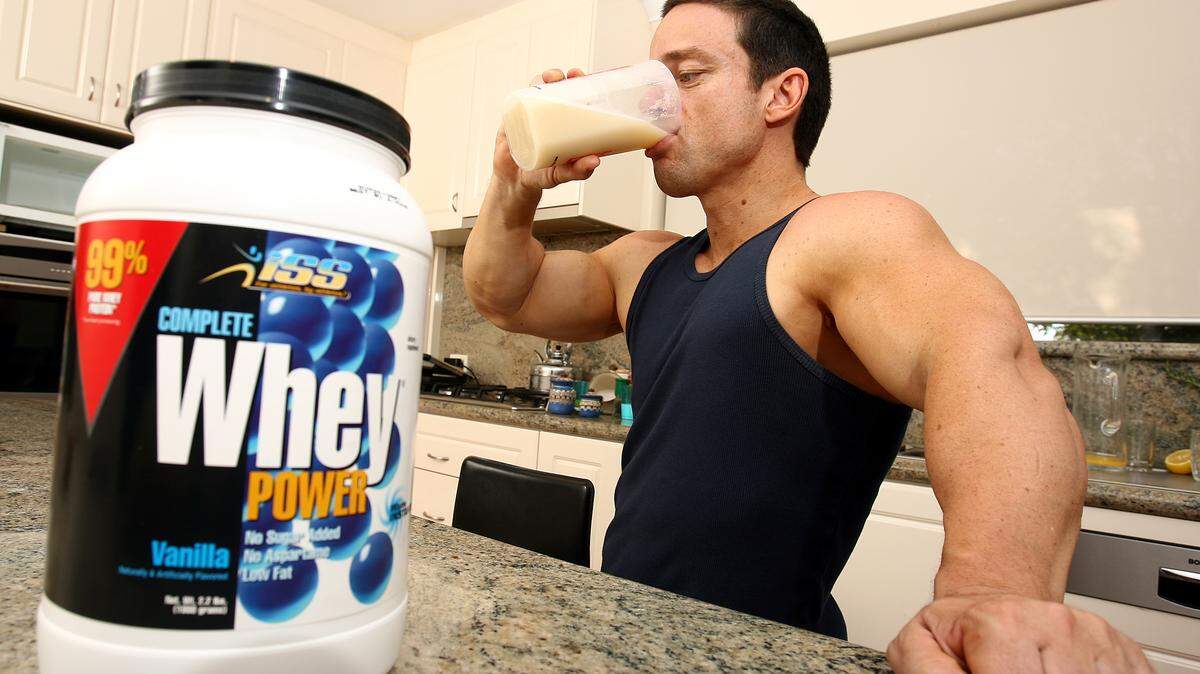
The protein diet has taken over social media feeds since the pandemic, with influencers pushing high-protein everything — from coffee to ice cream to pancake mixes. But how much protein do you actually need, and is loading up on it as healthy as TikTok claims? The science tells a more nuanced story than the supplement aisle.
How much protein the experts actually recommend
The protein diet conversation tends to skip past one inconvenient fact: official recommendations are modest. According to the American Heart Association, “The recommended daily allowance (RDA) is 0.8 g/kg per day for adults aged 18 years or greater. Based on weight, growing children and pregnant or lactating women require a little bit more protein than a typical adult man or woman because their bodies are building more muscle.”
That works out to far less than the 150 to 200 grams a day some fitness influencers push. For a 150-pound adult, the RDA lands around 54 grams — an amount most people can hit without protein powders, bars or fortified snacks.
What protein actually does for your body
Before chasing a number, it helps to understand what protein is doing once it’s inside you. It’s a workhorse nutrient that supports several systems at once, which is part of why it’s earned its reputation — even if that reputation has been stretched into marketing.
Here’s what protein does:
- Supports muscle growth and repair. Protein provides the building blocks your body uses to repair muscles after activity and to build new muscle tissue over time. It’s especially important after exercise, injury or physical strain.
- Helps you feel fuller for longer. Protein takes longer to digest than many carbohydrates, which can help reduce hunger between meals and support more stable energy and appetite control.
- Plays a key role in metabolism. Your body uses more energy to break down protein compared to fats and carbs, which slightly increases calorie use during digestion and supports overall metabolic function.
- Supports skin, hair and nail health. Protein helps support strong hair, healthy skin, and durable nails because the body uses protein to build and repair these tissues.
The problem with too much protein
The assumption baked into the protein diet trend is that more is always better. The research doesn’t agree. There are real downsides to overdoing it, particularly when the extra protein comes from red meat and saturated fats.
Harvard Health Publishing writes: “If you eat too much protein, there may be a price to pay. For example, people that eat very high protein diets have a higher risk of kidney stones. Also a high protein diet that contains lots of red meat and higher amounts of saturated fat might lead to a higher risk of heart disease and colon cancer, while another high protein diet rich in plant-based proteins may not carry similar risks.”
In other words, the source matters as much as the quantity. A high-protein diet built on lentils, beans, fish and poultry isn’t the same as one built on bacon and steak — even if the gram count is identical.
Why the protein trend took off — and what it’s crowding out
High-protein diets have been trending on Instagram and TikTok since the pandemic much like the farm to table trend, fueled by fitness creators, weight-loss content and a wave of new products engineered to advertise their protein numbers on the front of the package. Cottage cheese, Greek yogurt and protein-fortified pasta have become viral staples.
But chasing protein at every meal can come at a cost. A high-protein diet “can displace our intake of carbohydrates or fats or other micronutrients,” says Janice Dada, MPH, RDN, to SELF.com. When protein crowds out fruits, vegetables, whole grains and healthy fats, you can end up shortchanging fiber, antioxidants and other nutrients your body needs just as much.
How to think about protein without falling for the hype
The takeaway from the science isn’t that protein is bad — it’s that the protein diet, as packaged on social media, often oversells a nutrient most people are already getting enough of. Before adding scoops, shakes or another high-protein product to your routine, it’s worth asking whether you actually need more, and whether what you’re eating is balanced.
If you have specific goals — building muscle, recovering from injury, managing a pregnancy — talking to a doctor or registered dietitian will get you a more useful answer than any viral video.
This article was created by content specialists using various tools, including AI.