Concerned About Wearing a CGM Without It Falling Off All Day? Skin Prep Is Important for Application
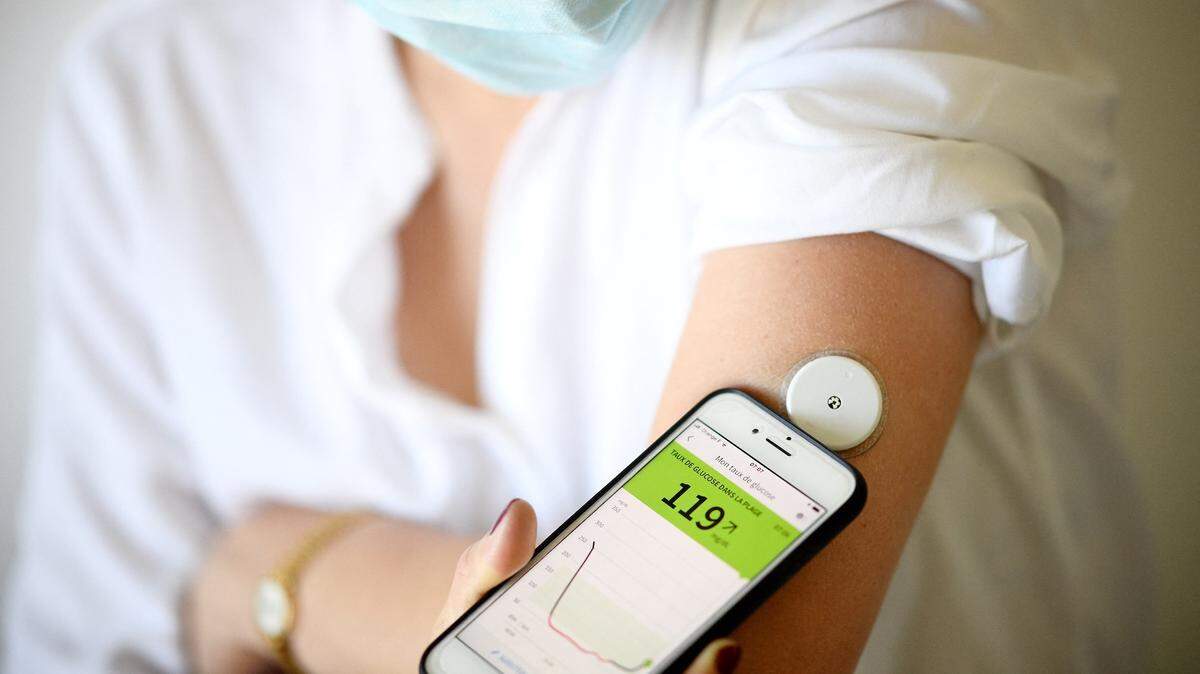
A continuous glucose monitor only works if it stays on your skin. For people managing diabetes or tracking metabolic health, a CGM that peels off in the shower, slides loose during a workout or catches on a doorframe means lost data, gaps in glucose readings and an expensive replacement.
The difference between a sensor that lasts its full wear cycle and one that fails on day two often comes down to a few small choices — skin prep, placement and how you handle sweat, water and humidity.
For more information: Choosing Between Stelo, Lingo and Levels for Diabetes: Everything to Know About OTC CGMs
How to Prep Your Skin Before Applying a CGM
Clean, dry skin is the single biggest factor in how long a CGM sticks. Dexcom advises, “Make sure the site is clean, dry and free of lotions or oils before inserting your sensor. Moisture is the enemy of good adhesion!”
That includes giving skin time to fully air-dry. “Let your skin fully dry in the air – especially if you’re applying a CGM after a shower or swim,” Lingo notes. The company recommends cleaning the site with an alcohol wipe “to help prevent any irritations or infections.”
If you’re swapping out a sensor, don’t skip the old site either. “Remove any adhesive residue from previous sensors. Consider using a skin-safe adhesive remover like Uni-solve, Detachol or Tac Away to start fresh,” Lingo says.
Where to Place a CGM So It Stays Put
The most common placements are the back of the upper arm, the abdomen and the buttocks. But location matters as much as cleanliness.
“Sensor placement is important. Look for a location where you are less likely to bump the sensor and you are minimizing the bending of skin under the sensor,” Smiles Medical Supply says.
Once the sensor is on, press it down. “Once you have placed your CGM onto your skin, use gentle pressure around the edges of the device to ensure a secure fit. This will help keep it in place longer and reduce any irritation caused by movement of the device against your skin,” the company advises.
CGM Application Tips for Sweat, Humidity and Water
CGMs are designed to handle daily life, but they have limits. The CDC says, “Most CGMs are water-resistant, and some are fully waterproof. You can use an extra adhesive patch over your CGM to protect it while bathing or swimming. Adhesive patches can also help secure your CGM in humid weather or if you frequently bump it.”
Travel adds another wrinkle. The CDC notes that medical imaging — including X-rays, CT scans, angiograms and radiation therapy — can damage a CGM. At airport security, “your CGM won’t set off a metal detector, but it can be damaged from a full body scan or if your bag is scanned. Be sure to let the TSA agent know if you’re traveling with a CGM.”
What to Know About Adhesive Patches and Removers
If your CGM struggles to last in humid weather or during exercise, an over-patch can buy days of wear. The American Diabetes Association maintains a consumer guide listing patches and removers on the market.
“Adhesive removers (wipes, sprays or solutions) dissolve strong medical-grade adhesives on CGMs and insulin pump patches, easing removal, reducing pain, preventing skin irritation, and clearing residue buildup,” the ADA site explains.
The sensor itself is small — about the size of two stacked quarters, according to the ADA — and most users barely feel it after insertion. Follow the manufacturer’s instructions for your specific brand, because adhesive chemistry and wear time vary.
This article was created by content specialists using various tools, including AI.