Decades of Sleep and Attention Research Back the 90-Minute Deep Work Block: Here’s How to Start
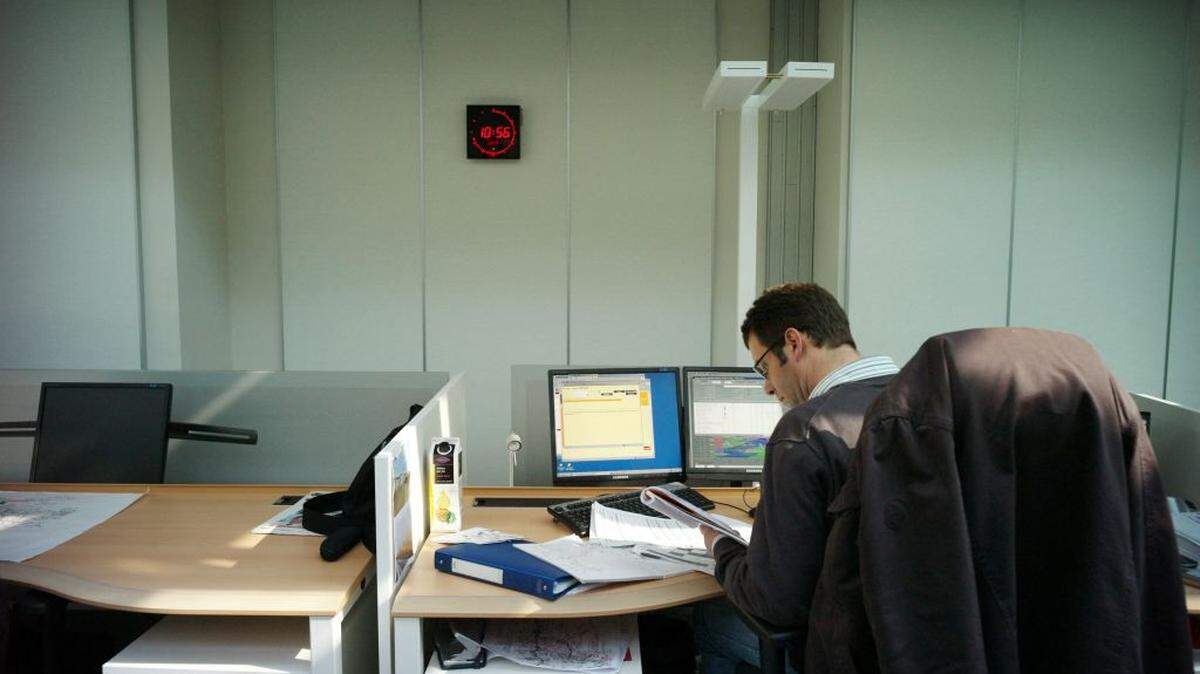
The 90-minute deep work routine has become the most-cited focus structure of the productivity era. Here’s what the research actually says about why it works and how to set one up.
What Is the 90-Minute Deep Work Routine and Why Does the Timing Matter?
A 90-minute deep work routine is a focus session timed to the body’s Basic Rest-Activity Cycle, or BRAC, the same ultradian rhythm that governs sleep stages and continues running during waking hours. Sleep researcher Nathaniel Kleitman identified it in the early 1960s in his book Sleep and Wakefulness. In the first 60 to 70 minutes of each cycle, alertness peaks. The final 15 to 20 minutes show measurable cognitive slowing.
Anders Ericsson’s deliberate practice research found elite musicians capped focused sessions at roughly 90 minutes with clear breaks between them, though a 2019 Royal Society replication found smaller effect sizes than the original 1993 paper.
Treat it as supporting evidence, not a hard rule. The practical point holds regardless: pushing past the cycle makes recovery messier and the next block shorter.
How Do You Start a Deep Work Routine Step by Step?
Choose one specific output, schedule the block at your cognitive peak, clear open loops before starting, set a hard timer and don’t negotiate with it when it ends.
A February 2026 PMC study confirmed performance gaps of 15% to 30% between peak and trough periods on cognitively demanding tasks. Running a block at the wrong time of day can cost you a third of its value before you’ve typed a word.
Before the timer starts, write every open task and unfinished thought on paper. Sophie Leroy’s research published in Organizational Behavior and Human Decision Processes found that people carry attention residue from prior tasks into new ones, performing measurably worse when the previous task was incomplete. Writing things down closes those loops before they follow you into the block.
Then close tabs, silence the phone and protect the time. Gloria Mark at UC Irvine, author of Attention Span, found it takes an average of 23 minutes and 15 seconds to fully regain focus after a single interruption. A deep work routine is, mechanically, a system for not paying that tax repeatedly.
What Does a Deep Work Routine Actually Need From Your Workspace?
Natural light, ambient noise between 40 and 55 decibels and a layout that removes small decisions before the timer starts.
A Cornell University study led by Professor Alan Hedge found workers in daylit offices reported an 84% drop in eyestrain and headache symptoms, both of which degrade output over a 90-minute session. If the room lacks a window, a daylight-temperature lamp is a reasonable substitute.
On noise, the 40 to 55 dB range is the research consensus for cognitive focus work. Below that, small sounds become distracting. Above 60 dB, the brain spends energy filtering background noise it shouldn’t have to manage. Most open-plan offices run well above that range, which is part of why deep work routines tend to fail on the company floor without deliberate intervention.
How Long Should You Recover Between Sessions?
Take 15 to 20 minutes between blocks with no screens and no decisions. That window allows the BRAC trough to clear and resets alertness for the next cycle.
The recovery is not optional. Kleitman’s framework and Lavie’s follow-on work both show each cycle ending in measurable cognitive slowdown. Handing the brain a phone to scroll or an inbox to triage during that window interrupts the reset and shortens the next peak. A walk, a glass of water or a few minutes of stillness all work. A Slack catch-up does not.
For most people, two 90-minute blocks per day is realistic and three is the upper bound. The most common failure is stacking blocks back to back and treating recovery as optional, then wondering why the second session falls apart around minute 40. The discipline of the routine lives in the recovery as much as the work itself.
This article was created by content specialists using various tools, including AI.