High-fiber candy is everywhere. Here’s what to know before treating it like a health food
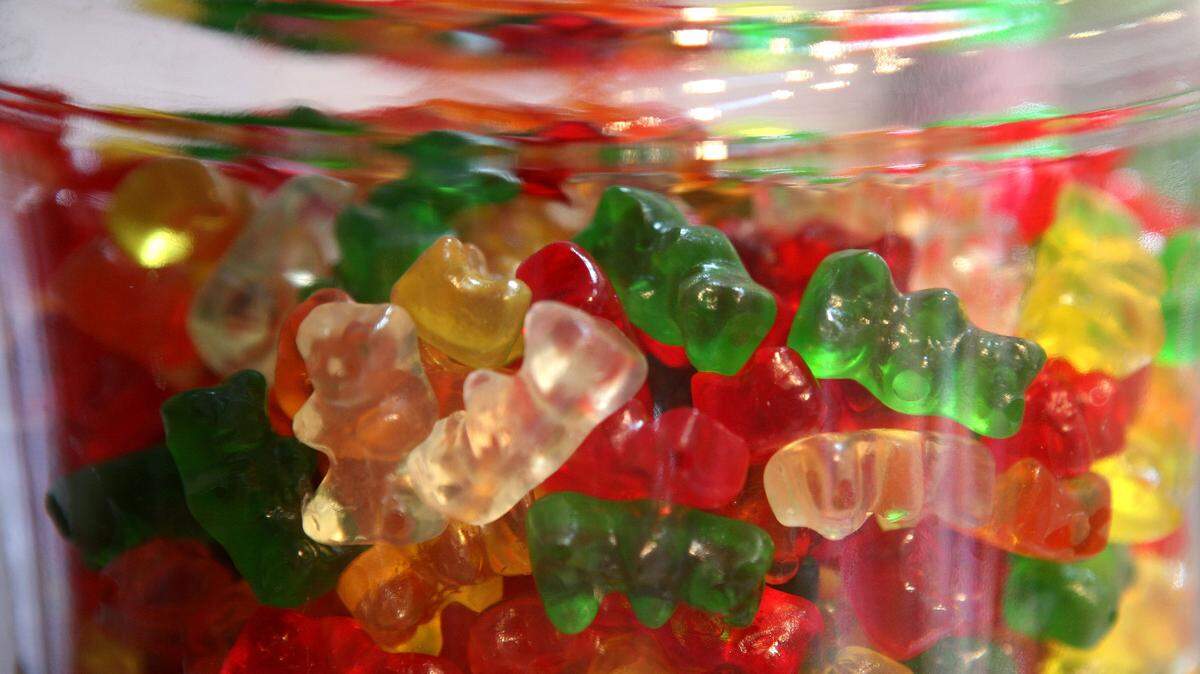
High fiber candy sounds like a loophole: gummy bears, sour worms and chewy sweets that taste like candy but promise the benefits of fiber. For anyone who struggles to hit their daily fiber goal, the appeal is obvious.
But candy with fiber sits in a tricky middle ground. It can add fiber to your day, and some products offer a surprisingly high amount per serving. Still, it does not replace whole-food high fiber snacks like fruit, beans, vegetables, nuts or whole grains.
Here’s what to know about fiber gummies, fiber chews and other sweetened snacks before you make them part of your routine.
High fiber candy, explained
Fiber candy is a growing category of gummies, bears, worms and chews that use added fiber as a selling point.
Many products are made with ingredients like chicory root, soluble tapioca fiber or corn fiber. Chicory root is rich in inulin, a type of fiber often used to boost fiber content in packaged foods. Soluble tapioca and corn fibers can also add bulk and sweetness without the same sugar load as regular candy.
The pitch is simple: candy that feels fun, tastes sweet and functions more like a snack with benefits.
The reason candy with fiber is trending
The timing makes sense. Most Americans are not getting enough fiber, creating a clear opening for brands selling easier, sweeter ways to close the gap.
The recommended total dietary fiber intake is between 25 and 30 grams per day from food, not supplements, according to UCSF Health. But most people fall short.
A 2021 study presented at Nutrition 2021 Live Online concluded that only 5% of men and 9% of women are getting the recommended daily amount of dietary fiber, per the American Society for Nutrition.
That gap has helped fuel interest in high fiber snacks that are easy to fit into a normal day. Fiber candy also sits at the intersection of two major food trends: functional foods and “better-for-you” treats.
The real fiber count in fiber gummies
The amount of fiber varies widely by brand and recipe.
SmartSweets helped popularize the category early on with gummy bears that once packed 28 grams of fiber in one bag, according to the Center for Science in the Public Interest. The brand has since changed its formula, and its gummy candies now contain about six grams of fiber per bag.
More recently, Trader Joe’s went viral for its Sweet and Sour Gummy Worms, which contain 14 grams of dietary fiber per serving and 70 grams of fiber per bag.
That does not automatically make the highest-fiber option the best choice. It means serving size matters — and so does how your body handles that much added fiber at once.
The actual benefits of dietary fiber
Fiber plays several important roles in the body. According to UCSF Health, dietary fiber helps slow the rate that sugar is absorbed into the bloodstream, makes your intestines move faster, cleans your colon and improves bowel movements.
That is why fiber is often linked with digestion, regularity and feeling full after eating. It is also what makes fiber-rich snacks appealing.
The catch is that whole foods bring more to the table than fiber alone. Fruit, vegetables, beans, oats, nuts and seeds also contain vitamins, minerals, antioxidants and other nutrients. Fiber candy usually does not.
The expert warning on high fiber candy
Experts are not saying fiber candy is off-limits. The bigger concern is treating it like a health food.
“Just because something has all the fiber you need for the day, it doesn’t mean that it’s necessarily healthy,” Melanie Jay, an associate professor at NYU Langone Health, told TODAY.com.
That is the key issue with high fiber candy. It may contain fiber, and it may be lower in sugar than traditional gummies, but that does not mean it has the same nutritional value as whole foods.
Dr. Rekha Kumar, an endocrinologist at New York-Presbyterian, made a similar point to TODAY.com.
“Fiber is filing, so if you’re filling up on nutrient-empty fiber (from candy) instead of nutritious food, that’s not helpful,” Kumar said.
In other words, fiber candy can fill a gap, but it should not push more nutritious foods off your plate.
Fiber candy versus high fiber snacks
This is where the health halo effect comes in. When a label highlights fiber, protein, low sugar or another positive claim, people may assume the product is healthier than it really is.
That can make candy with fiber feel like a replacement for fruit or other fiber rich snacks, even when it is better understood as a treat with an added benefit.
Alex Turnbull, RDN, LD, told EatingWell that candy can have a place in a balanced diet.
“Candy can absolutely fit into a balanced diet,” Turnbull said. “We should be including the foods we truly love, but it’s more about the frequency and context, not strict limits.”
Turnbull also put it plainly: “Candy isn’t meant to be healthy—it’s meant to be fun! And that’s OK.” That is probably the best way to think about fiber candy. It can be fun. It can add fiber. But it is still candy.
Better fiber-rich snacks for everyday eating
If your goal is to increase fiber in a more nutrient-dense way, whole foods are still the better foundation.
Good everyday options include strawberries, raspberries, grapes, peaches, beans, lentils, oats, nuts, seeds and whole-grain snacks. Fresh fruit is especially useful because it offers fiber along with water, vitamins and antioxidants.
If you need something more portable, dried fruit can be a healthier everyday choice than fiber candy, though portion size still matters because dried fruit is more concentrated.
This article was created by content specialists using various tools, including AI.