Stomach paralysis is the rare Ozempic side effect GLP-1 researchers are just starting to take seriously
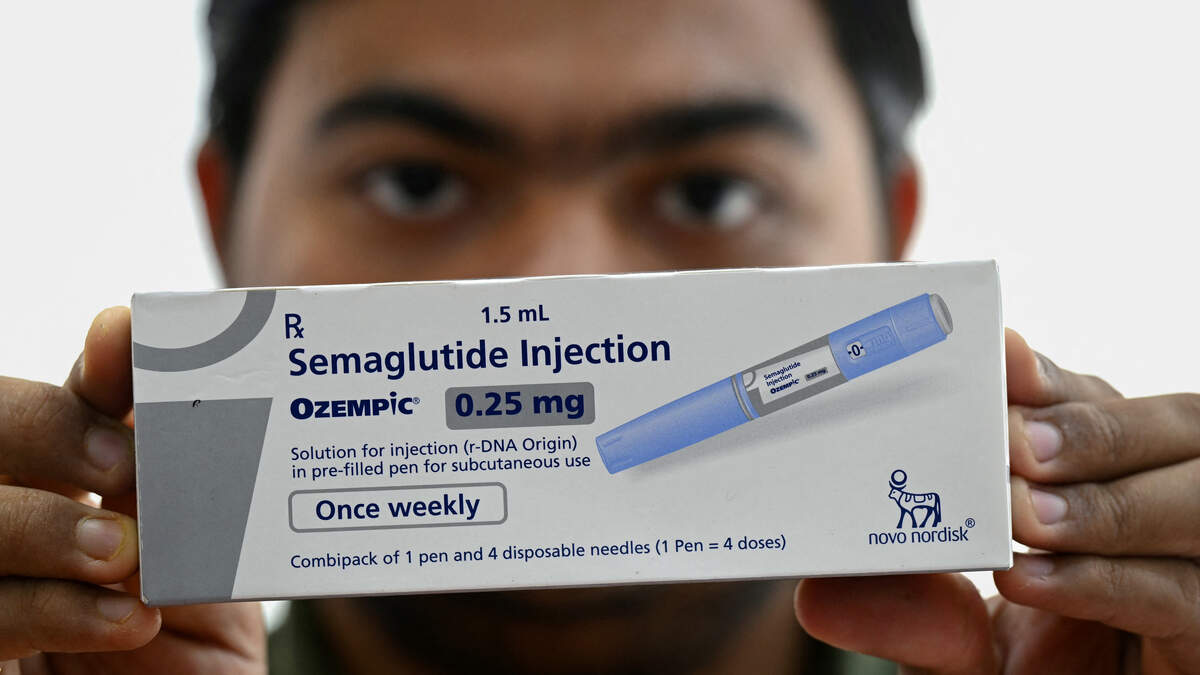
If you’ve seen “stomach paralysis” trending next to Ozempic and felt a flicker of worry, you’re not alone. The headlines are loud, but the context that makes sense of them rarely follows.
So here’s the straight version. Does Ozempic cause stomach paralysis? Not that anyone has proven — at least not yet. It’s been linked to the condition, but linked isn’t the same as proven.
Still, Ozempic and gastroparesis turn up together often enough that researchers, regulators, and the drug’s maker are paying attention. The risk looks real but rare — which is what makes it so hard to talk about clearly.
What is stomach paralysis?
Stomach paralysis is the common name for gastroparesis, or delayed gastric emptying.
The stomach’s muscles and nerves stop working properly, so food sits far longer than it should instead of moving into the intestines. Left unchecked, it can lead to malnutrition, dehydration and hardened masses of food called bezoars.
Common stomach paralysis symptoms, according to the Cleveland Clinic, include:
- Indigestion
- Bloated stomach
- Feeling full very quickly and/or for a long time
- Upper abdominal pain
- Nausea and vomiting
- Regurgitating whole pieces of undigested food
- Loss of appetite
- Acid reflux or heartburn
- Blood sugar fluctuations
- Constipation
It’s not a vague discomfort. It’s a diagnosable condition — and that’s part of why the Ozempic link is being taken seriously.
In fact, doctors grade it by degree. Four hours after a meal, a healthy stomach has cleared all but about 10% of its contents. Retaining 10% to 15% counts as mild gastroparesis, 15% to 35% is moderate, and more than 35% is severe.
Can Ozempic cause gastroparesis? What the research shows
The headline study comes from the University of British Columbia, published in JAMA.
It was the first large study to look specifically at non-diabetic people taking these drugs for weight loss. Compared with an older weight-loss medication, GLP-1 users had a 3.67 times higher risk of gastroparesis.
“Given the wide use of these drugs, these adverse events, although rare, must be considered,” said first author Mohit Sodhi. That word — rare — is doing a lot of work, and it matters.
How rare stomach paralysis on Ozempic really is
Rare is the crucial caveat in this whole conversation.
The elevated risk is real, but it shows up in a small fraction of users. And for many people, the delayed emptying that worries researchers actually improves over time.
In one study conducted by Dr. Michael Camilleri, a gastroenterologist at the Mayo Clinic, compared the stomach-emptying time of people on liraglutide (a separate GLP-1 agonist) to those taking a placebo.
After five weeks it took about 70 minutes for half the food to leave the stomach on medication, versus four minutes on placebo — and in some patients the delay stretched to 151 minutes.
So the picture isn’t “this drug paralyzes stomachs.” It’s “this drug slows stomachs, and in a small number of cases that slowdown becomes a problem.”
Diabetes vs. Ozempic: Why gastroparesis is hard to pin down
Here’s what makes the cause-and-effect so hard to prove.
Diabetes itself causes roughly one-third of all gastroparesis cases. Ozempic is FDA-approved to treat type 2 diabetes. So when a diabetic patient develops gastroparesis, untangling whether the drug or the disease is responsible is genuinely difficult.
There’s a clue, though. Diabetes-related gastroparesis is more common in people with type 1 diabetes and those who’ve had the disease for at least a decade. In some Ozempic cases, doctors have ruled diabetes out as the cause — which could point the finger back at the medication.
What the FDA says about Ozempic and stomach paralysis
The FDA hasn’t denied that stomach problems happen. It just won’t go further than the evidence allows.
“The FDA has received reports of gastroparesis with semaglutide and liraglutide, some of which documented the adverse event as not recovered after discontinuation of the respective product at the time of the report,” the agency said in a statement to CNN.
But the agency also says it can’t determine whether the drug caused the condition or something else did — diabetes being the obvious confounder. For now, the FDA’s position is that the benefits of these drugs may still outweigh the risks for many people.
What Ozempic’s maker, Novo Nordisk, says
Novo Nordisk, which makes Ozempic and Wegovy, takes a similar line.
The company told CNN that stomach issues are a known side effect of this type of drug, but that for semaglutide they’re usually mild and short-lived.
“GLP-1’s are known to cause a delay in gastric emptying, as noted in the label of each of our GLP-1 RA medications. Symptoms of delayed gastric emptying, nausea and vomiting are listed as side effects,” Novo Nordisk added in a statement, per CNN.
In other words: yes, stomach effects happen — no, they won’t call it stomach paralysis.
The gastroparesis warning missing from Ozempic’s label
This is the part researchers actually want changed.
The label does mention slowed digestion — but only as a warning that it might affect how other medications are absorbed. Not as a heads-up that full-blown gastroparesis could develop.
That’s the gap the UBC team is pushing to close.
“This is critical information for patients to know so they can seek timely medical attention and avoid serious consequences,” Sodhi said.
Where the Ozempic-stomach paralysis debate stands
One reason this debate stays unresolved: the research simply hasn’t caught up.
“Unfortunately, there have not been these types of robust studies, and so the whole idea that this class of medications actually delays gastric emptying is not as well recognized,” Camilleri said.
That’s the strange tension at the center of the story. The mechanism is well understood. The frequency, the long-term risk and the question of who’s vulnerable are not.
If you’re watching this story unfold, here’s the honest summary.
Stomach paralysis on Ozempic is a real, documented risk — but a rare one, and not yet a proven cause-and-effect. The FDA is watching. Novo Nordisk acknowledges the side effects without conceding the label needs to say more. Researchers want patients better informed.
The science is still being written. For now, “linked but not proven” is the most accurate thing anyone can honestly say. So, unless you’re experiencing symptoms of stomach paralysis, quitting Ozempic out of fear of gastroparesis isn’t worth it.
This article was created by content specialists using various tools, including AI.