Why Researchers Are Starting to Turn Bacteria Into Living Eye Drops to Repair Damaged Corneas
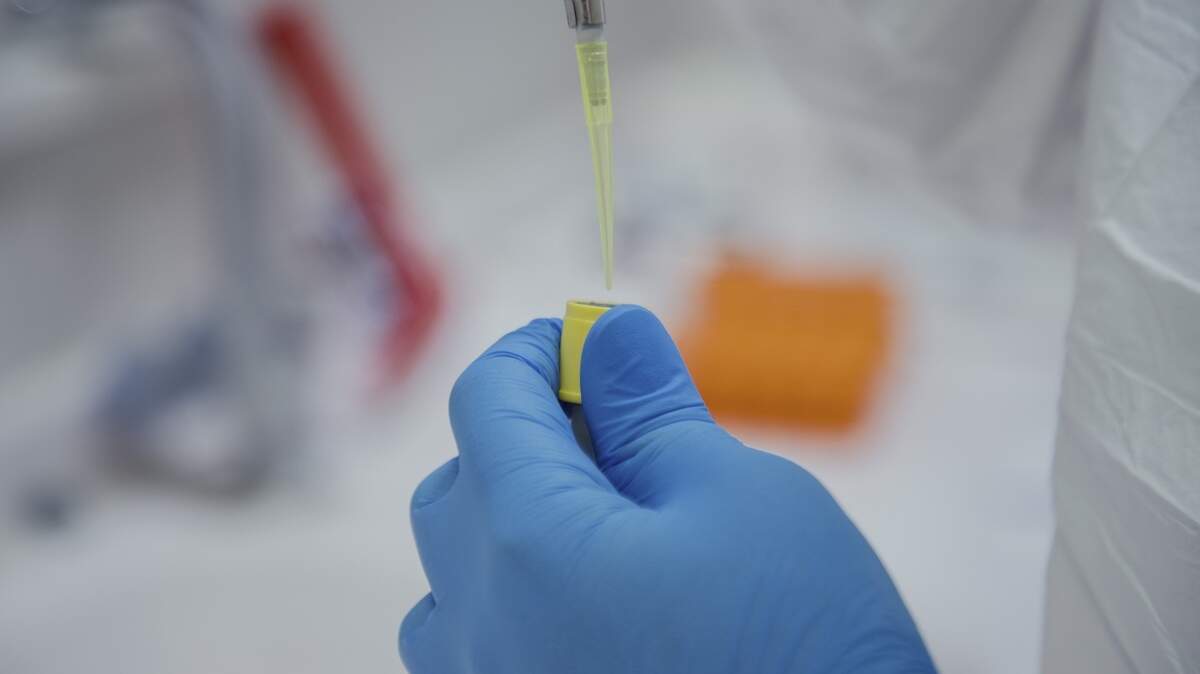
Millions of Americans deal with corneal injuries, dry eye disease and other surface eye conditions every year, and most treatments share a frustrating flaw. Tears wash medicated eye drops away within minutes, forcing people to dose themselves repeatedly throughout the day. Researchers at the University of Pittsburgh School of Medicine think there may be a smarter way, and they have built a prototype eye drop that is actually alive.
Their early-stage approach uses a harmless bacterium that naturally lives on the eye, genetically tweaked to release an anti-inflammatory protein where the body needs it most. If the science holds, a single application could keep working for days or weeks instead of hours.
How the Living Eye Drops Work
The Pitt team engineered Corynebacterium mastitidis, a benign microbe that already resides under the eyelid, to continuously secrete interleukin-10 (IL-10), a small protein that regulates inflammation. In a proof-of-concept study published in Cell Reports in March 2026, researchers showed that mouse corneas gently scratched and then treated with the engineered bacteria healed faster than corneas treated with regular bacteria or saline. When the IL-10 receptor was blocked, the healing benefit vanished, confirming the effect was IL-10 dependent.
“This is the first demonstration that a microbe that lives on the ocular surface could be engineered to deliver a therapeutic that improves eye health,” said senior author Anthony St. Leger, an associate professor of ophthalmology and immunology and a faculty member of the UPMC Vision Institute, according to the University of Pittsburgh.
The team also built a version of the microbe that releases human IL-10. In lab tests, it improved wound closure in cells from the outermost layer of the human cornea and reduced inflammatory signaling in human immune cells.
Why This Matters for Cornea Healing
Traumatic ocular surface injuries affect more than 1 million Americans each year, and severe dry eye disease and corneal abrasions affect millions more. Standard care often demands strict, repeated dosing schedules that patients struggle to follow. A live biotherapeutic that colonizes the eye could remove that burden, because the therapy is produced continuously by the bacteria themselves.
St. Leger told UPMC the results are promising but preliminary. “More research is certainly needed, particularly to determine how to deactivate the protein once treatment is no longer necessary,” he said. “But the findings in this study are promising, and could open the door to the development of ‘living’ medications for a range of vision conditions.”
What Is Next for Living Medicine in the Eye
The researchers describe the platform as modular. Different genes for different cytokines, growth factors or other proteins could be swapped in to target specific diseases of the ocular surface, potentially extending the approach beyond corneal wounds to chronic inflammatory conditions.
The team cautions that several more iterations of the technology will likely be required before any human trial can begin. The work has not yet been tested in people, and questions remain about how to switch the engineered microbes off when treatment is complete. Still, the study offers an early look at how the body’s own microbiome might one day deliver medicine on its own schedule, no hourly dosing required.
This article was created by content specialists using various tools, including AI.