
Why your home’s design choices are quietly growing into a major source of daily stress
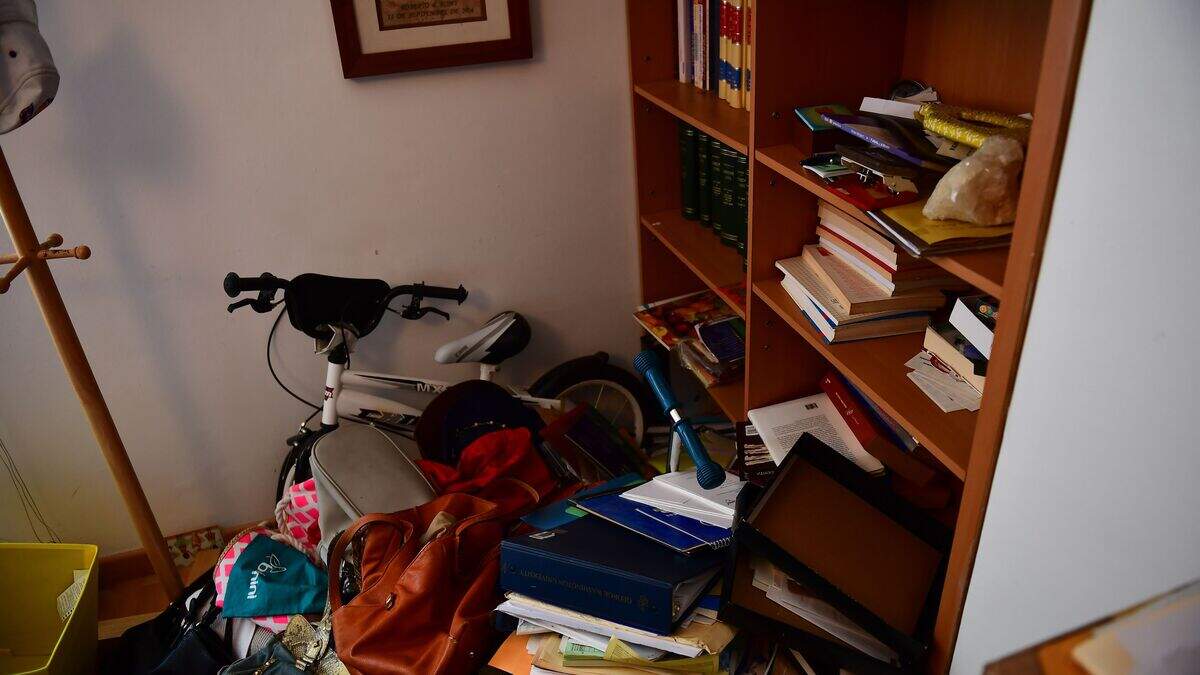
Your home is supposed to be the place where your nervous system finally exhales. But certain home design choices busy patterns, harsh lighting, cluttered shelves can quietly keep your brain switched on, even when you think you’re relaxing. Designers and mental health experts increasingly point to the rooms we live in as a hidden source of low-grade stress, and small shifts can make a measurable difference in how calm you feel inside your own four walls.
Visual clutter and the home design that quietly wears you out
Walk into a room with competing patterns on the wallpaper, rug, pillows and artwork, and your brain has nowhere to land. Open shelving packed with objects, too many colors fighting for attention and decor with no empty space what designers call “visual breathing room” can all push your nervous system into low-level overdrive. The home design problem isn’t always too much stuff in the literal sense. Sometimes it’s too much visual information arriving at once.
Stuff itself carries a cognitive load, too. Every item prompts a small, often unconscious question Where should this go? Do I need this? Should I clean this? KC Davis, a Houston-based therapist tells Apartment Therapy “Sometimes it has to do with feeling in control. Because a lot of anxiety has to do with a kind of feeling out of control. There’s too much to do, we kind of feel like we’re on the brink of feeling overwhelmed … we’re worried about something we can’t control.”
How lighting in your home design shapes mood and sleep
Lighting may be the single most underrated piece of home design when it comes to your nervous system. Harsh overhead fixtures, cool-toned bulbs blazing at night and rooms with too little natural light during the day can all throw off the body’s internal clock. The result is a subtle, persistent mismatch between the light your eyes are taking in and the rhythm your brain expects.
Esther Sternberg, writing for Psychology Today, explains “The best kind of indoor light exposure to enhance mood, improve sleep, and reduce depressive symptoms is lighting that varies throughout the day, as does the sun. Such circadian lighting would typically start in the morning with bright bluish light and gradually shift to dimmer, redder light in the evening before bedtime. While this can be achieved through light pouring into indoor spaces through glass walls or lots of windows, smart LED lighting can also provide such nuanced indoor lighting rhythms.”
Monika Eyers with Real Simple recommends working with the sun rather than against it “Try sheer curtains and bamboo shades to let in dappled, natural moving light (an effect that has been shown to reduce anxiety). And look at the number of kelvins to gauge a bulb’s color temperature. The lower the number, the warmer the glow 2700K evokes candlelight and is best in rooms where you want to relax 5000K channels daylight for rooms where you want to feel alert.”
Home design choices that help your nervous system reset
Once you’ve pared back the visual noise and rethought your bulbs, the next layer of home design is what you add back in and the textures, colors and living elements you choose can either soothe the nervous system or keep it on alert. Natural materials, soft palettes and a few well-placed plants tend to do more for a room’s calming power than another decorative object on a shelf.
Designer Anita Yokota tells Eyers that houseplants do more than fill empty corners “Greenery also reinforces our innate connection to care, rhythm, and stability. These are key elements for emotional balance at home.”
Materials matter just as much as plants. In a piece by Regina Cole with Forbes, Suzanne Tick, creative director at Luum Textiles, says “Softer neutrals with hints of color bring calm into an environment. Woods, stone, natural fibers enliven the senses. Tactility plays an important role as well - we all want softness - but a feeling of safety and cleanability, not sterility, is also important. Natural fibers like wool offer softness, while using renewable resources that can be sanitized as needed.”
What to do if your home design feels overstimulating
If your space feels like it’s tugging at your attention every time you walk in, you don’t need a full renovation to reset it. Start by editing one room at a time clear surfaces, thin out open shelving and let the walls breathe. Swap a few cool-toned bulbs for warmer ones in spaces meant for winding down. Add a plant or two, layer in a natural-fiber throw and notice what shifts. A calmer home design isn’t about minimalism for its own sake. It’s about giving your nervous system fewer things to track and more cues that it’s safe to relax.
This article was created by content specialists using various tools, including AI.